THE ADVENTURE COLLECTIVE® · Independent discovery and booking for outdoor travel

Quick, high-impact stop at Cape Horn Overlook in the Columbia River Gorge—perfect for visitors who want iconic Gorge photos without a long hike. Learn what to expect, how to prepare, and where to aim your lens for the best light.
Quick, high-impact stop at Cape Horn Overlook in the Columbia River Gorge—perfect for visitors who want iconic Gorge photos without a long hike. Learn what to expect, how to prepare, and where to aim your lens for the best light.
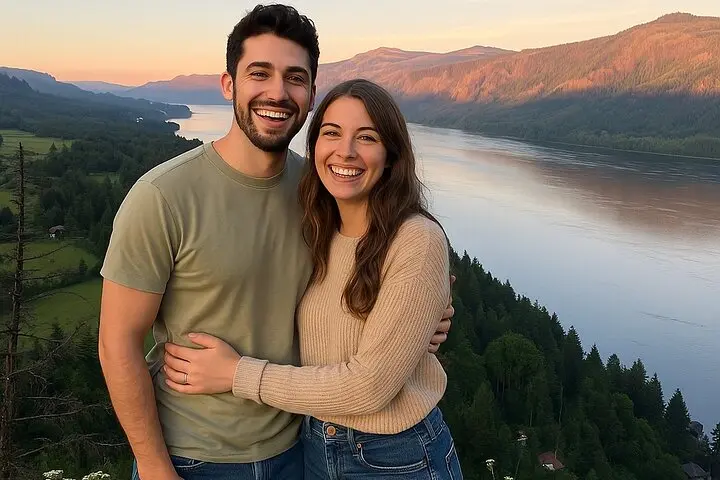
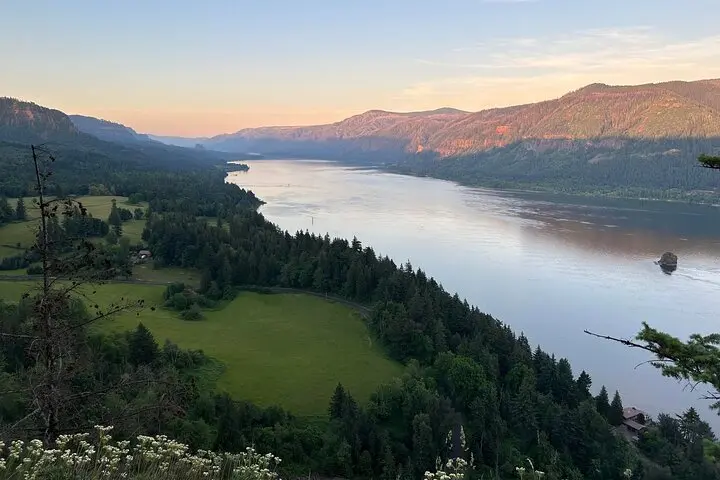
You step out of the vehicle and the Gorge opens like a page—wind sweeping the river’s surface, cliffs tilting toward the sky, and the overlook daring you to hold still long enough to take it in. Cape Horn Overlook sits above a broad bend of the Columbia River; it’s a compact, high-impact moment on any Oregon or Washington itinerary, built for fast arrival and memorable photos.
Verified experiences and guided adventures in the surrounding area.
Operated by Mehdi · Cascade Locks, Oregon
You step out of the vehicle and the Gorge opens like a page—wind sweeping the river’s surface, cliffs tilting toward the sky, and the overlook daring you to hold still long enough to take it in. Cape Horn Overlook sits above a broad bend of the Columbia River; it’s a compact, high-impact moment on any Oregon or Washington itinerary, built for fast arrival and memorable photos.
Geology here is blunt and visible: basalt cliffs carved by Ice Age floods and the steady work of wind and water. The Columbia River Gorge has been a travel corridor for millennia—Native nations navigated these currents long before Euro-American routes and the later Columbia River Highway reshaped access. Today the site is a cultural waypoint for hikers, photographers, and day-trippers from nearby Portland.
Expect a short, low-effort approach rather than a long hike—this is an overlook experience, not a backcountry route. The trail and viewpoint are exposed; the wind often sculpts quick, dramatic skies, and afternoon light highlights the river’s copper and blue tones. Pack a wind jacket, secure your camera, and use a polarizer to cut glare for cleaner river shots.
Logistics are simple: private pickup or meet points in town, a brief stop at the overlook for pictures, and return within about two hours. Keep to designated paths to limit erosion, respect any seasonal closures, and plan your visit around golden hours for the best light. This stop gives you a concentrated sense of the Gorge’s scale—ideal for travelers who want a powerful snapshot of the Pacific Northwest without committing a whole day.
This experience is designed as a brief stop—typically 60–120 minutes including pickup, viewpoint time, and return.
Yes; the approach is short with limited elevation gain, but the area is exposed—watch footing near edges.
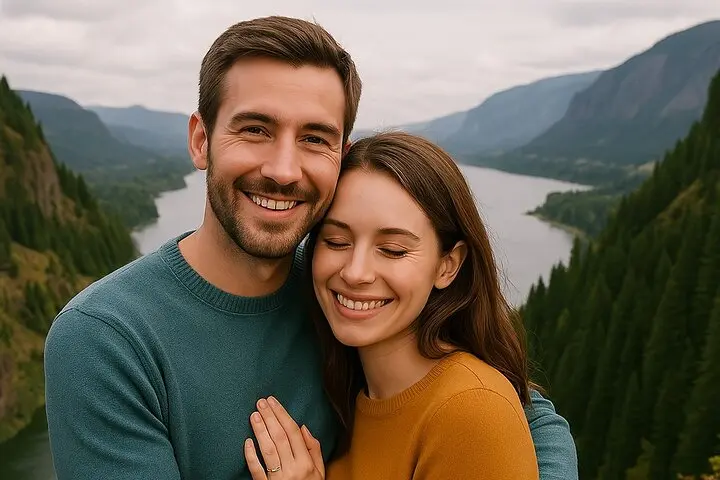
The tour includes photos taken by your guide/operator; you’ll receive digital images as part of the service details.
Yes—operators offer flexible pickups and there’s roadside access near the Louisa Apartments meeting point listed by the provider.
Mehdi operates guided outdoor trips and adventures with an emphasis on safety, stewardship, and memorable experiences.

You step out of the vehicle and the Gorge opens like a page—wind sweeping the river’s surface, cliffs tilting toward the sky, and the overlook daring you to hold still long enough to take it in. Cape Horn Overlook sits above a broad bend of the Columbia River; it’s a compact, high-impact moment on any Oregon or Washington itinerary, built for fast arrival and memorable photos.
You step out of the vehicle and the Gorge opens like a page—wind sweeping the river’s surface, cliffs tilting toward the sky, and the overlook daring you to hold still long enough to take it in. Cape Horn Overlook sits above a broad bend of the Columbia River; it’s a compact, high-impact moment on any Oregon or Washington itinerary, built for fast arrival and memorable photos.
Geology here is blunt and visible: basalt cliffs carved by Ice Age floods and the steady work of wind and water. The Columbia River Gorge has been a travel corridor for millennia—Native nations navigated these currents long before Euro-American routes and the later Columbia River Highway reshaped access. Today the site is a cultural waypoint for hikers, photographers, and day-trippers from nearby Portland.
Expect a short, low-effort approach rather than a long hike—this is an overlook experience, not a backcountry route. The trail and viewpoint are exposed; the wind often sculpts quick, dramatic skies, and afternoon light highlights the river’s copper and blue tones. Pack a wind jacket, secure your camera, and use a polarizer to cut glare for cleaner river shots.
Logistics are simple: private pickup or meet points in town, a brief stop at the overlook for pictures, and return within about two hours. Keep to designated paths to limit erosion, respect any seasonal closures, and plan your visit around golden hours for the best light. This stop gives you a concentrated sense of the Gorge’s scale—ideal for travelers who want a powerful snapshot of the Pacific Northwest without committing a whole day.