THE ADVENTURE COLLECTIVE® · Independent discovery and booking for outdoor travel

Board a shallow-draft eco-cruise through Cape May’s salt marshes to view osprey, clapper rails and shorebirds at close range. Guided by local experts with decades of experience, these two-hour trips are timed to tides and bird activity for maximum sightings.
Board a shallow-draft eco-cruise through Cape May’s salt marshes to view osprey, clapper rails and shorebirds at close range. Guided by local experts with decades of experience, these two-hour trips are timed to tides and bird activity for maximum sightings.
The motor hums and the marsh opens: low salt grass, glassy channels cutting like veins, and a sky threaded with terns and osprey. On the Osprey Birding By Boat cruise you sit close to waterline reeds while a guide reads the currents and points the bow toward secret glades where marsh birds bide.
Verified experiences and guided adventures in the surrounding area.
Operated by Cape May Back Bay LLC · Cape May, New Jersey
The motor hums and the marsh opens: low salt grass, glassy channels cutting like veins, and a sky threaded with terns and osprey. On the Osprey Birding By Boat cruise you sit close to waterline reeds while a guide reads the currents and points the bow toward secret glades where marsh birds bide.
This stretch of Cape May sits at the meeting of the Delaware Bay and Atlantic shore; its marshes developed on post-glacial estuary sediment and have long supported clammers, waterfowl and coastal communities. Cape May’s Victorian resort history sits a few blocks inland, but out on the water the story is older—tidal marshes shaped by centuries of seasonal migrations and local hunting and fishing traditions.
Geology here is gentle: low-lying salt marsh, mudflats and tidal creeks carved by ebb and flow, which create the shallow habitats that secretive rails and foraging shorebirds prefer. Guides use 25 years of local experience to chase the birds that move with tides and light, explaining banding, habitat needs and the conservation work keeping these wetlands functional.
Practically: cruises run April–October, last about two hours, and operate morning schedules when birds are most active. Dress in layers, bring binoculars (some provided), and expect short walks on docks. Photography is best with a telephoto and steady hands—boats move.
The trip is accessible to most fitness levels and offers rare close views of species that often avoid shore-based watchers. Arrive early to find the purple-marked parking, check in at the marina office, and be ready for shifting light, fast-moving birds, and salt air that will push you to pay attention.
Yes — the operator lists wheelchair-accessible surfaces and transportation; check specific boarding assistance needs when booking.
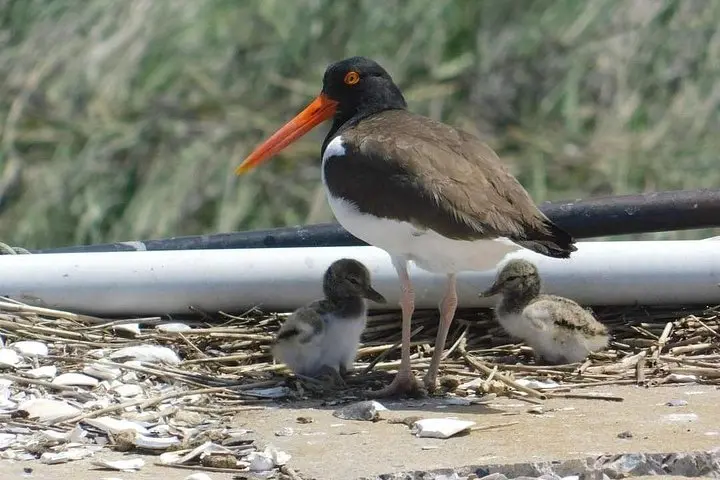
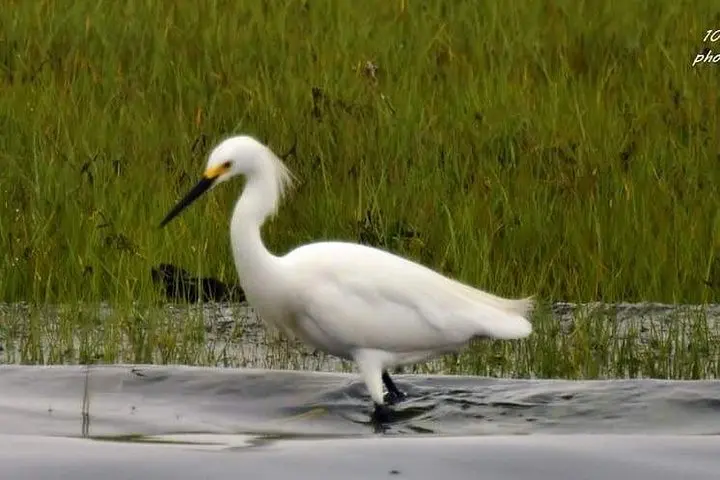
Common sights include osprey, great egrets, marsh wrens and, with luck, clapper rail and American oystercatcher depending on tide and season.
Yes — infants are welcome but must sit on an adult’s lap; strollers are allowed on shore but space on the boat is limited.
For a full refund cancel at least 24 hours before departure; trips may be canceled by the operator in poor weather with refunds issued per policy.
Cape May Back Bay LLC operates guided outdoor trips and adventures with an emphasis on safety, stewardship, and memorable experiences.
The motor hums and the marsh opens: low salt grass, glassy channels cutting like veins, and a sky threaded with terns and osprey. On the Osprey Birding By Boat cruise you sit close to waterline reeds while a guide reads the currents and points the bow toward secret glades where marsh birds bide.
The motor hums and the marsh opens: low salt grass, glassy channels cutting like veins, and a sky threaded with terns and osprey. On the Osprey Birding By Boat cruise you sit close to waterline reeds while a guide reads the currents and points the bow toward secret glades where marsh birds bide.
This stretch of Cape May sits at the meeting of the Delaware Bay and Atlantic shore; its marshes developed on post-glacial estuary sediment and have long supported clammers, waterfowl and coastal communities. Cape May’s Victorian resort history sits a few blocks inland, but out on the water the story is older—tidal marshes shaped by centuries of seasonal migrations and local hunting and fishing traditions.
Geology here is gentle: low-lying salt marsh, mudflats and tidal creeks carved by ebb and flow, which create the shallow habitats that secretive rails and foraging shorebirds prefer. Guides use 25 years of local experience to chase the birds that move with tides and light, explaining banding, habitat needs and the conservation work keeping these wetlands functional.
Practically: cruises run April–October, last about two hours, and operate morning schedules when birds are most active. Dress in layers, bring binoculars (some provided), and expect short walks on docks. Photography is best with a telephoto and steady hands—boats move.
The trip is accessible to most fitness levels and offers rare close views of species that often avoid shore-based watchers. Arrive early to find the purple-marked parking, check in at the marina office, and be ready for shifting light, fast-moving birds, and salt air that will push you to pay attention.