THE ADVENTURE COLLECTIVE® · Independent discovery and booking for outdoor travel

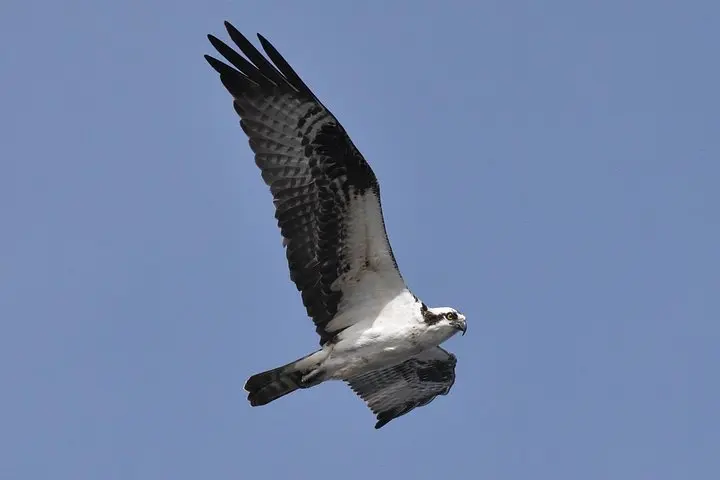
Head offshore from Cape May with marine biologists to track dolphins, migratory baleen whales, and seabirds. This science-focused cruise blends guaranteed sightings with touch-tank education and responsible viewing protocols.
Head offshore from Cape May with marine biologists to track dolphins, migratory baleen whales, and seabirds. This science-focused cruise blends guaranteed sightings with touch-tank education and responsible viewing protocols.
The bow parts a glassy Atlantic morning and salt air snaps at the face as Cape May slips behind you—shoreline houses shrinking into a string of roofs while porpoises arc and the sea dares you to follow.
Verified experiences and guided adventures in the surrounding area.
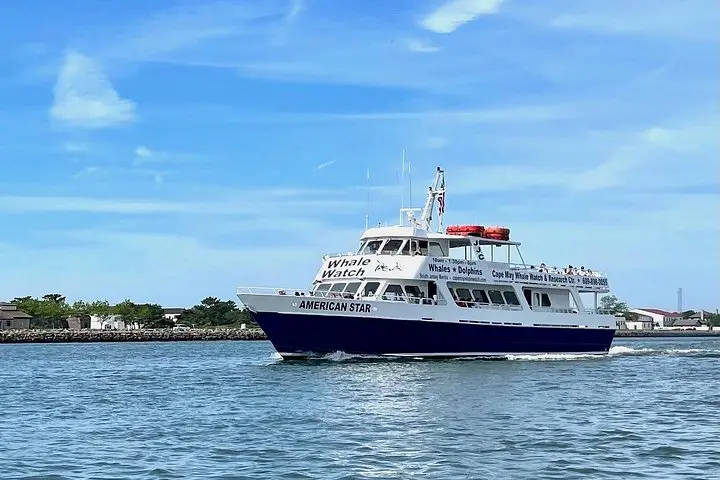
Operated by Cape May Whale Watch & Research Center · Cape May, New Jersey
The bow parts a glassy Atlantic morning and salt air snaps at the face as Cape May slips behind you—shoreline houses shrinking into a string of roofs while porpoises arc and the sea dares you to follow.
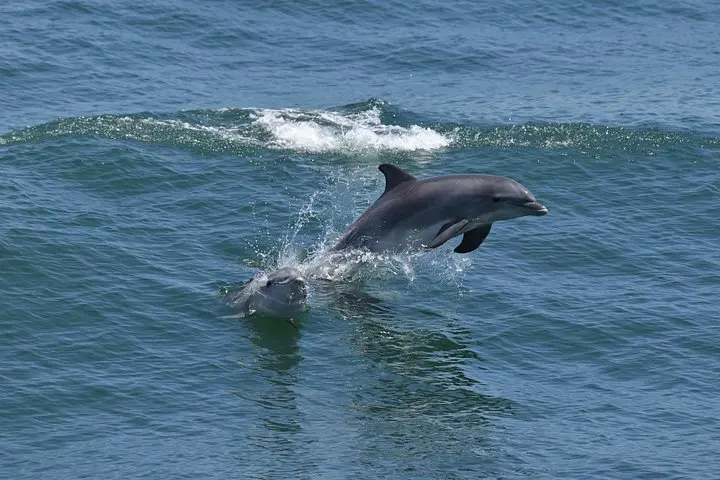
This ecotour begins along the South Jersey shore, threading the shallow nearshore where Atlantic bottlenose dolphins work the sandbars, then pushing 3–15 miles offshore to the continental shelf where migratory baleen whales travel. The surrounding geology is simple and decisive: a gradual continental shelf gives way to deeper basins that funnel prey and create predictable whale corridors.
Cape May itself is one of the nation’s oldest seaside resorts and a long-standing bird migration corridor; local crews combine maritime tradition with contemporary research methods. Onboard marine biologists and international interns lead hands-on touch-tank sessions that connect visitors with local sea life while explaining migration timing, feeding behavior, and the region’s marine stewardship.
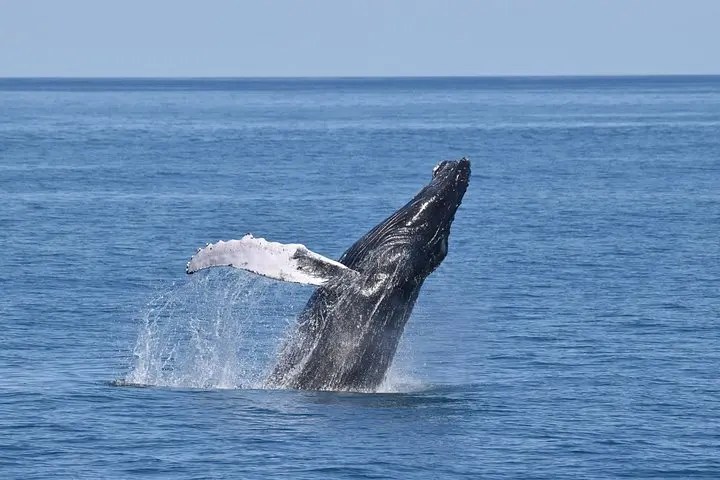
Expect kinetic wildlife viewing—dolphins corralling fish, shearwaters quartering the surface, and the thunder of a distant humpback breach. Birds scan like tiny foremen; currents push the boat into better angles for sightings.
Practical guidance: arrive at the blue ticket booth 30 minutes before departure, dress in layers and a windproof shell, and bring motion-sickness prevention if you’re prone. Binoculars, a camera with a zoom lens, and sturdy shoes for a wet deck make the day more comfortable. Tours run about three hours and are suitable for most fitness levels; they prioritize research-led interpretation and adhere to marine mammal viewing regulations to minimize disturbance.
Trips typically head between 3 and 15 miles offshore, depending on sightings and sea conditions.
The tour advertises guaranteed marine mammal sightings and focuses search effort along known migration routes, but species seen can vary by season.
Yes—this cruise is described as suitable for all fitness levels; staff can assist with boarding, but check specific accessibility needs in advance.
Common sightings include Atlantic bottlenose dolphins, humpback, fin, or minke whales, a range of seabirds, and occasionally sharks and sea turtles.
Cape May Whale Watch & Research Center operates guided outdoor trips and adventures with an emphasis on safety, stewardship, and memorable experiences.
The bow parts a glassy Atlantic morning and salt air snaps at the face as Cape May slips behind you—shoreline houses shrinking into a string of roofs while porpoises arc and the sea dares you to follow.
The bow parts a glassy Atlantic morning and salt air snaps at the face as Cape May slips behind you—shoreline houses shrinking into a string of roofs while porpoises arc and the sea dares you to follow.
This ecotour begins along the South Jersey shore, threading the shallow nearshore where Atlantic bottlenose dolphins work the sandbars, then pushing 3–15 miles offshore to the continental shelf where migratory baleen whales travel. The surrounding geology is simple and decisive: a gradual continental shelf gives way to deeper basins that funnel prey and create predictable whale corridors.
Cape May itself is one of the nation’s oldest seaside resorts and a long-standing bird migration corridor; local crews combine maritime tradition with contemporary research methods. Onboard marine biologists and international interns lead hands-on touch-tank sessions that connect visitors with local sea life while explaining migration timing, feeding behavior, and the region’s marine stewardship.
Expect kinetic wildlife viewing—dolphins corralling fish, shearwaters quartering the surface, and the thunder of a distant humpback breach. Birds scan like tiny foremen; currents push the boat into better angles for sightings.
Practical guidance: arrive at the blue ticket booth 30 minutes before departure, dress in layers and a windproof shell, and bring motion-sickness prevention if you’re prone. Binoculars, a camera with a zoom lens, and sturdy shoes for a wet deck make the day more comfortable. Tours run about three hours and are suitable for most fitness levels; they prioritize research-led interpretation and adhere to marine mammal viewing regulations to minimize disturbance.