THE ADVENTURE COLLECTIVE® · Independent discovery and booking for outdoor travel

Drive one of South Africa’s most scenic coastal roads and spend a full day between Cape Point’s wind-scoured cliffs and the intimate boardwalk at Boulders Beach, home to an endangered colony of African penguins. This full-day tour pairs panoramic viewpoints with cultural stops and optional boat trips for a tightly packed taste of the peninsula.
Drive one of South Africa’s most scenic coastal roads and spend a full day between Cape Point’s wind-scoured cliffs and the intimate boardwalk at Boulders Beach, home to an endangered colony of African penguins. This full-day tour pairs panoramic viewpoints with cultural stops and optional boat trips for a tightly packed taste of the peninsula.
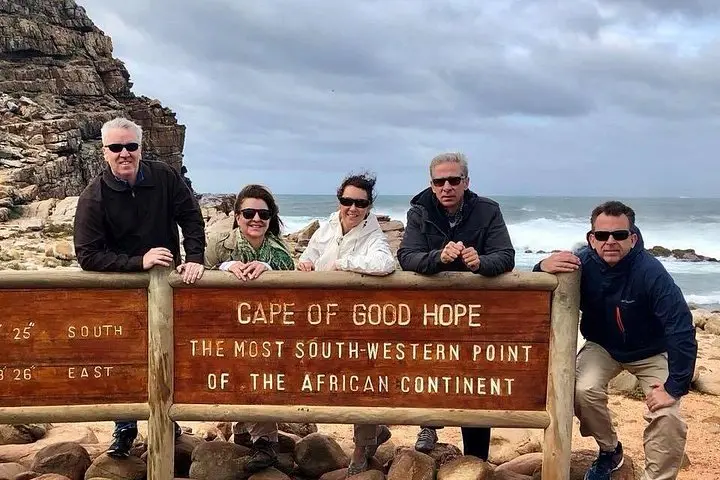
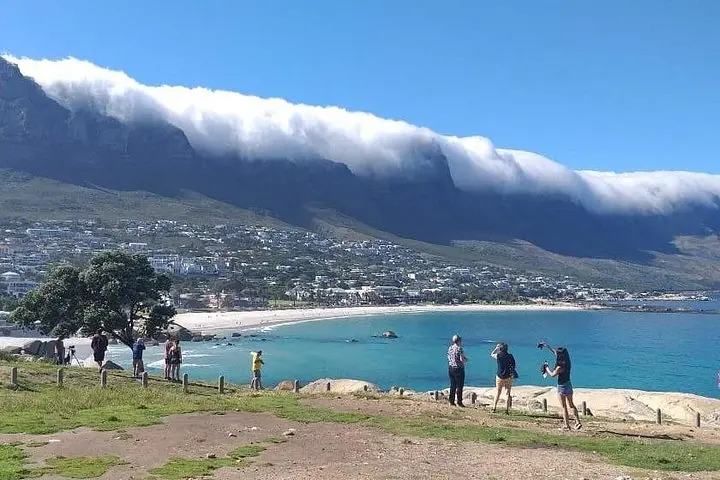
The morning air off the Atlantic tastes of salt and anticipation as the van peels away from Cape Town's glossy waterfront and follows a coast that never repeats its view. Windows frame palms and apartment cliffs in Camps Bay, then the road tightens and the ocean appears to drop away into a blue gorge — Chapman's Peak Drive carving a ribbon between mountain and sea. By the time you reach Cape Point, gulls circle like an audience and the lighthouse perches 300 meters above the ocean, daring you to climb for the full 360-degree sweep.
Verified experiences and guided adventures in the surrounding area.
Operated by Glorious Cape Tours · Cape Town, Western Cape
The morning air off the Atlantic tastes of salt and anticipation as the van peels away from Cape Town's glossy waterfront and follows a coast that never repeats its view. Windows frame palms and apartment cliffs in Camps Bay, then the road tightens and the ocean appears to drop away into a blue gorge — Chapman's Peak Drive carving a ribbon between mountain and sea. By the time you reach Cape Point, gulls circle like an audience and the lighthouse perches 300 meters above the ocean, daring you to climb for the full 360-degree sweep.
This is a day that strings together geological drama and human history: Table Mountain’s granite gives way to sandstone ridges, while the Cape Peninsula marks the collision of two great oceanic currents. The Cape of Good Hope earned its fraught reputation with early sailors; the Dutch East India Company charted and softened these shores in the 1600s and the landscape still presses stories of shipwrecks, provisioning stations and the long presence of Khoikhoi communities into the present day.
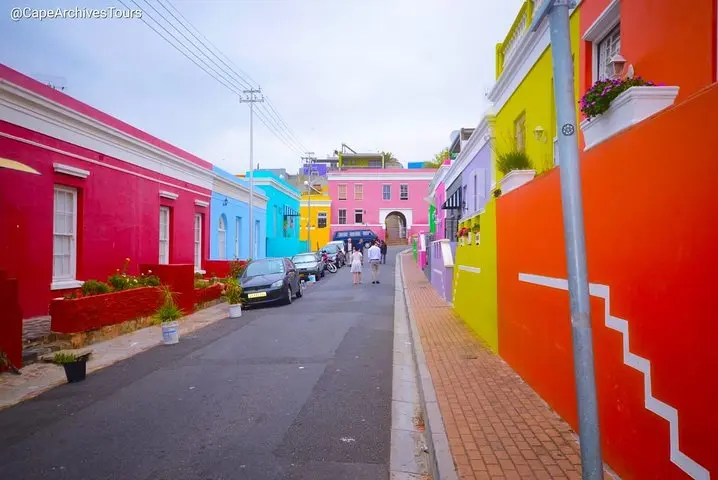
Culture here is coastal and practical — fishing harbours that smell of grease and fresh hake, Victorian façades in Simon’s Town, and the brightly painted houses of Bo-Kaap where Cape Malay kitchens continue a centuries-old flavor tradition. Geology gives you the cliffs and beaches; conservation decisions give you the access: the Boulders Boardwalk keeps visitors off the sand to protect the endangered African penguin, while Cape Point Nature Reserve stretches across roughly 7,700 hectares of fynbos, home to endemic plants and grazing antelope.
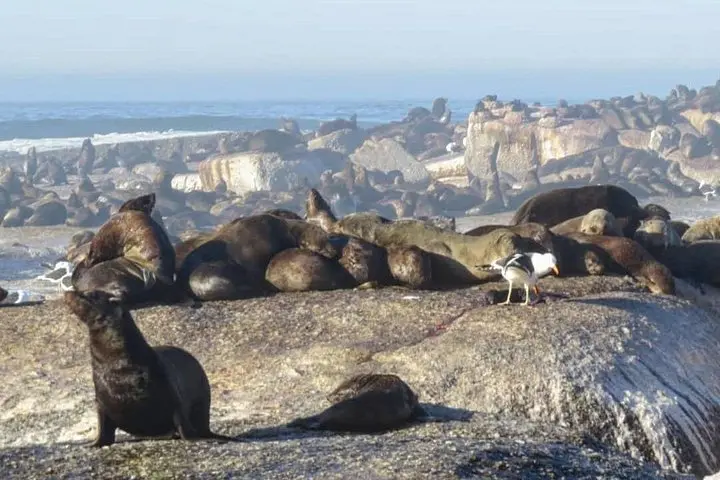
Practically, the day is paced for easy exploration with a mix of short walks and roadside pull-offs. Expect a 45–120 minute stop at the reserve for lighthouse views and a 45-minute visit to Boulders Beach for penguin viewing. Optional extras include a 40-minute Seal Island boat at Hout Bay or the funicular at Cape Point.
Planning notes: wear sturdy walking shoes for uneven paths and the lighthouse approach, bring layered windproof clothing (the south-easterly can arrive without warning), and carry a refillable water bottle — bottled water is provided, but taps are limited on route. Keep a small amount of cash for Chapman's Peak tolls or market stalls; purchase tickets for optional boat rides in advance when possible. Respect wildlife: do not feed penguins or attempt close contact — the boardwalk exists to protect both you and the birds.
By late afternoon the van eases back toward Cape Town along False Bay, surfers peppering the warm shallows at Muizenberg. The day's arc — seaside estates, secluded coves, working harbors, and windswept headlands — leaves you with a sharp sense of why the peninsula has shaped sailors, scientists and storytellers for centuries.
Entrance fees to Cape Point Nature Reserve are typically not included; check the tour confirmation and bring payment or ask your operator in advance.
Boardwalks allow close views without disturbing the colony; visitors may not enter restricted areas or touch the penguins.
Yes — the itinerary notes stroller accessibility and infant seats are available, though some viewpoints require short walks or steps.
Bottled water is provided, but lunch and snacks are usually not included; there are restaurants at Cape Point and eateries in Hout Bay and Simon's Town.
The tour may be canceled for severe weather for safety reasons; standard cancellation terms apply and alternatives may be offered.
Yes — the funicular at Cape Point operates for visitors who prefer not to walk; it is optional and costs extra.
Glorious Cape Tours operates guided outdoor trips and adventures with an emphasis on safety, stewardship, and memorable experiences.
The morning air off the Atlantic tastes of salt and anticipation as the van peels away from Cape Town's glossy waterfront and follows a coast that never repeats its view. Windows frame palms and apartment cliffs in Camps Bay, then the road tightens and the ocean appears to drop away into a blue gorge — Chapman's Peak Drive carving a ribbon between mountain and sea. By the time you reach Cape Point, gulls circle like an audience and the lighthouse perches 300 meters above the ocean, daring you to climb for the full 360-degree sweep.
The morning air off the Atlantic tastes of salt and anticipation as the van peels away from Cape Town's glossy waterfront and follows a coast that never repeats its view. Windows frame palms and apartment cliffs in Camps Bay, then the road tightens and the ocean appears to drop away into a blue gorge — Chapman's Peak Drive carving a ribbon between mountain and sea. By the time you reach Cape Point, gulls circle like an audience and the lighthouse perches 300 meters above the ocean, daring you to climb for the full 360-degree sweep.
This is a day that strings together geological drama and human history: Table Mountain’s granite gives way to sandstone ridges, while the Cape Peninsula marks the collision of two great oceanic currents. The Cape of Good Hope earned its fraught reputation with early sailors; the Dutch East India Company charted and softened these shores in the 1600s and the landscape still presses stories of shipwrecks, provisioning stations and the long presence of Khoikhoi communities into the present day.
Culture here is coastal and practical — fishing harbours that smell of grease and fresh hake, Victorian façades in Simon’s Town, and the brightly painted houses of Bo-Kaap where Cape Malay kitchens continue a centuries-old flavor tradition. Geology gives you the cliffs and beaches; conservation decisions give you the access: the Boulders Boardwalk keeps visitors off the sand to protect the endangered African penguin, while Cape Point Nature Reserve stretches across roughly 7,700 hectares of fynbos, home to endemic plants and grazing antelope.
Practically, the day is paced for easy exploration with a mix of short walks and roadside pull-offs. Expect a 45–120 minute stop at the reserve for lighthouse views and a 45-minute visit to Boulders Beach for penguin viewing. Optional extras include a 40-minute Seal Island boat at Hout Bay or the funicular at Cape Point.
Planning notes: wear sturdy walking shoes for uneven paths and the lighthouse approach, bring layered windproof clothing (the south-easterly can arrive without warning), and carry a refillable water bottle — bottled water is provided, but taps are limited on route. Keep a small amount of cash for Chapman's Peak tolls or market stalls; purchase tickets for optional boat rides in advance when possible. Respect wildlife: do not feed penguins or attempt close contact — the boardwalk exists to protect both you and the birds.
By late afternoon the van eases back toward Cape Town along False Bay, surfers peppering the warm shallows at Muizenberg. The day's arc — seaside estates, secluded coves, working harbors, and windswept headlands — leaves you with a sharp sense of why the peninsula has shaped sailors, scientists and storytellers for centuries.