THE ADVENTURE COLLECTIVE® · Independent discovery and booking for outdoor travel

Explore a rugged Adriatic cape where medieval ruins and Cold War bunkers meet quiet beaches. This 6–7 hour guided day tour from Durrës mixes coastal walks, history, and seaside food stops.
Explore a rugged Adriatic cape where medieval ruins and Cold War bunkers meet quiet beaches. This 6–7 hour guided day tour from Durrës mixes coastal walks, history, and seaside food stops.
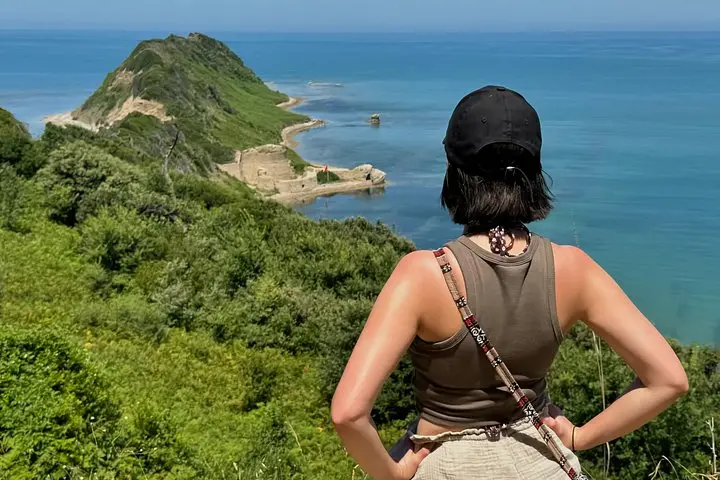
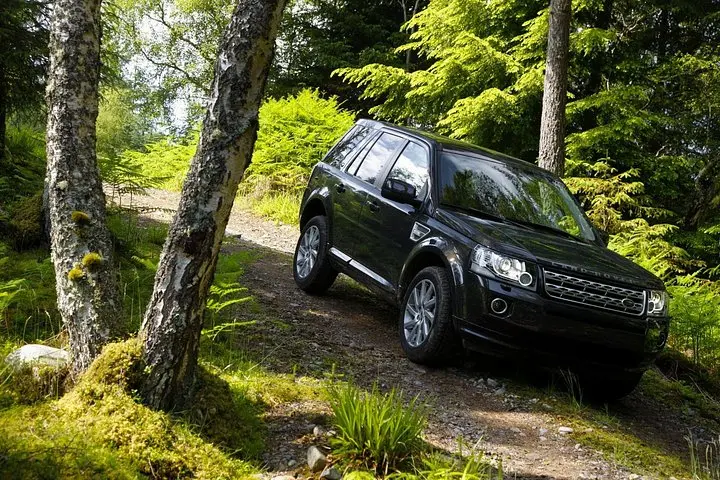
A salt wind pushes across low scrub as the 4x4 eases onto the dirt road toward Cape of Rodon. Waves click against shale below cliffs, and a squat concrete bunker perches like an awkward fossil, daring you to step closer. The day unfolds in contrasts: open Adriatic beach time, a ruined medieval castle, and the stark geometry of Albania’s Cold War defenses.
Verified experiences and guided adventures in the surrounding area.
Operated by Tok Tours · Durrës, Durrës County
A salt wind pushes across low scrub as the 4x4 eases onto the dirt road toward Cape of Rodon. Waves click against shale below cliffs, and a squat concrete bunker perches like an awkward fossil, daring you to step closer. The day unfolds in contrasts: open Adriatic beach time, a ruined medieval castle, and the stark geometry of Albania’s Cold War defenses.
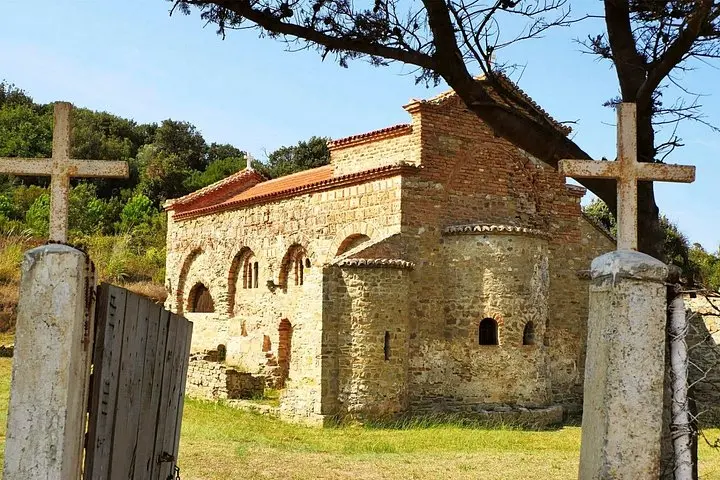
Geology here is simple and honest—limestone cliffs and pocket beaches shaped by Adriatic swell—while human stories layer on top. Skanderbeg Castle, dating to the 15th century, hints at medieval resistance; the coastal bunkers are a later, grim chapter from Enver Hoxha’s isolationist era. Villages along the drive show rural Albanian life: low stone houses, olive groves and small flocks of sheep grazing the headland.
Expect a blend of easy walking and short rocky scrambles—boardwalks are rare—plus time to swim on Rodoni Beach or sample local seafood at a beachside taverna. Your guide weaves history with practical direction: where to climb for the best views, which coves hold shelter from wind, and how to approach the bunkers respectfully.
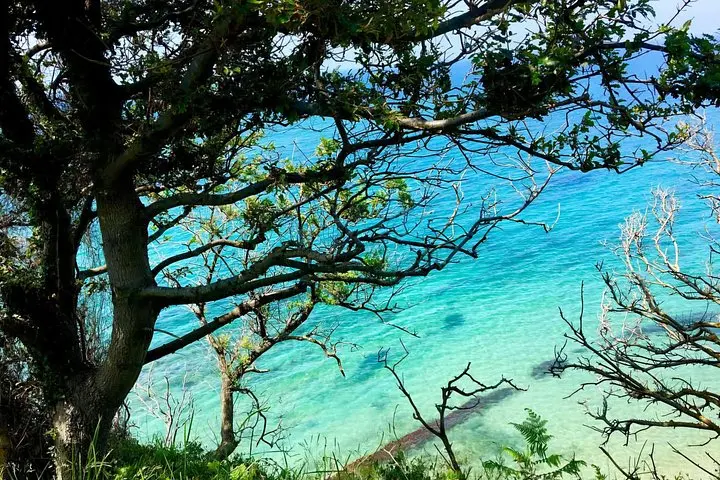
Practical notes: plan for a 6–7 hour outing that includes roughly 1.15 hours each way from Durrës; bring sturdy shoes for uneven ground, sun protection, and a refillable water bottle. Mobile service can be patchy on the cape; download directions and arrange hotel pickup in advance. For photographers, golden hour on the western cliffs produces the clearest sea colors—arrive ready to move between shade and sun.
The tour lasts about 6–7 hours and includes hotel pickup/drop-off from Durrës, transport in a 4x4, entrance to Cape of Rodon sites, and an English-licensed guide.
Yes—Rodoni Beach has clear water and sandy stretches suitable for swimming; bring swimwear and a towel.
Many bunkers are stable but not maintained; explore only with your guide, avoid narrow interiors, and watch for unstable concrete and rusted metal.
The operator advises moderate fitness; it’s not recommended for pregnant travelers or those with serious back or heart conditions—check with the operator for child-specific accommodations.
Tok Tours operates guided outdoor trips and adventures with an emphasis on safety, stewardship, and memorable experiences.
A salt wind pushes across low scrub as the 4x4 eases onto the dirt road toward Cape of Rodon. Waves click against shale below cliffs, and a squat concrete bunker perches like an awkward fossil, daring you to step closer. The day unfolds in contrasts: open Adriatic beach time, a ruined medieval castle, and the stark geometry of Albania’s Cold War defenses.
A salt wind pushes across low scrub as the 4x4 eases onto the dirt road toward Cape of Rodon. Waves click against shale below cliffs, and a squat concrete bunker perches like an awkward fossil, daring you to step closer. The day unfolds in contrasts: open Adriatic beach time, a ruined medieval castle, and the stark geometry of Albania’s Cold War defenses.
Geology here is simple and honest—limestone cliffs and pocket beaches shaped by Adriatic swell—while human stories layer on top. Skanderbeg Castle, dating to the 15th century, hints at medieval resistance; the coastal bunkers are a later, grim chapter from Enver Hoxha’s isolationist era. Villages along the drive show rural Albanian life: low stone houses, olive groves and small flocks of sheep grazing the headland.
Expect a blend of easy walking and short rocky scrambles—boardwalks are rare—plus time to swim on Rodoni Beach or sample local seafood at a beachside taverna. Your guide weaves history with practical direction: where to climb for the best views, which coves hold shelter from wind, and how to approach the bunkers respectfully.
Practical notes: plan for a 6–7 hour outing that includes roughly 1.15 hours each way from Durrës; bring sturdy shoes for uneven ground, sun protection, and a refillable water bottle. Mobile service can be patchy on the cape; download directions and arrange hotel pickup in advance. For photographers, golden hour on the western cliffs produces the clearest sea colors—arrive ready to move between shade and sun.