THE ADVENTURE COLLECTIVE® · Independent discovery and booking for outdoor travel

A full-day circuit of Cape Town’s southern arm that pairs penguin encounters at Boulders Beach with the windswept cliffs of Cape Point and the harbor life of Hout Bay. Expect dramatic coastal views, fynbos-covered slopes, and easy wildlife watching with hotel pickup included.
A full-day circuit of Cape Town’s southern arm that pairs penguin encounters at Boulders Beach with the windswept cliffs of Cape Point and the harbor life of Hout Bay. Expect dramatic coastal views, fynbos-covered slopes, and easy wildlife watching with hotel pickup included.
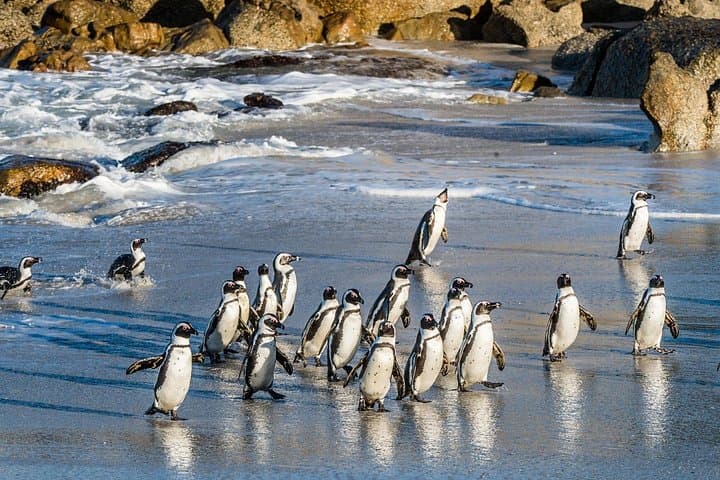
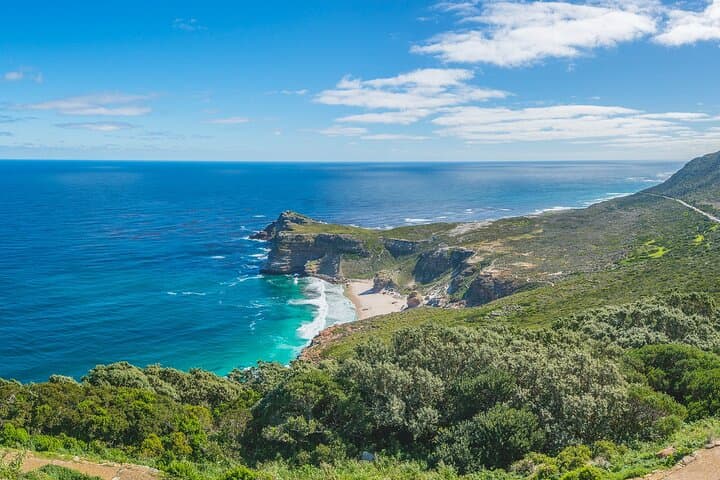
You arrive with the Atlantic pressing white foam against basalt cliffs and a wind that seems to be steering the day. The van pulls up above a curve on Chapman’s Peak and the ocean opens wide — a bruised blue where currents argue and seabirds wheel low like punctuation marks. Guides move with practiced calm, pointing to a low cove where tuxedoed figures wobble through surf and sand: African penguins at Boulders Beach, stubbornly cheerful and indifferent to human applause.
Verified experiences and guided adventures in the surrounding area.
Operated by Cape Tours & Charters · Cape Town, Western Cape
You arrive with the Atlantic pressing white foam against basalt cliffs and a wind that seems to be steering the day. The van pulls up above a curve on Chapman’s Peak and the ocean opens wide — a bruised blue where currents argue and seabirds wheel low like punctuation marks. Guides move with practiced calm, pointing to a low cove where tuxedoed figures wobble through surf and sand: African penguins at Boulders Beach, stubbornly cheerful and indifferent to human applause.
This is the Cape Peninsula in microcosm: dramatic geology shaped by ancient sandstone and granite, fynbos scrub that grips the slopes with a network of wiry roots, and a coastline where sailors for centuries marked a notorious turn. Cape Point itself sits at the southern arm of this promontory, a place where mariners once sought beacons and where two oceans appear to lock horns depending on the tide and wind. The Flying Dutchman funicular — a short, steep lift — ferries visitors toward the lighthouse and viewpoints that have watched explorers, shipwrecks, and fishermen for generations.
Hout Bay adds a different cadence: a working harbor with weathered vessels, seal colonies bobbing beyond the breakwater, and a fish market that smells of sea and salt. Drive the road and you’ll pass communities whose lives are threaded through fishing, tourism, and navy heritage at Simon’s Town; try a local snoek or a plate of fresh calamari to feel the culture in your teeth.
The flora here is fynbos, a fire-adapted shrubland unique to the Cape Floristic Region, and keeping it healthy is central to every park authority’s plan. Conservation efforts at Boulders and Cape Point prioritize habitat protection — respect the boardwalks and keep to paths to protect nesting birds and fragile soil.
Practicalities: the full-day private tour runs roughly seven hours with hotel pickup in Cape Town, so expect early morning departure and a return by late afternoon. Entrance fees to Cape Point and Boulders Beach are typically paid at the gate (not always included). Wear windproof layers and sturdy walking shoes — boardwalks, rocky viewing ledges, and short climbs around the lighthouse demand traction and balance. Bring binoculars and a tele lens for penguins and distant seals; a refillable water bottle (or bottled water provided on many tours) will keep you going.
Timing matters: mornings are quieter at the penguin colony, while late afternoon gives softer light for photography at Chapman's Peak. Be prepared for changing weather: the ocean will decide the dress code.
This tour gives a compact, wild sweep of the peninsula — cliffs that dare you to look down, penguins that meet you at eye level, and a coastline that refuses to be polite about its power.
Not always—many tour rates exclude national park and Boulders Beach gate fees; check your booking and bring a card or cash for onsite payment.
Boardwalks at Boulders Beach keep visitors at a respectful distance to protect the colony; you can observe and photograph penguins up close without stepping off the path.
Yes—this private tour accommodates families and includes short, easy walks; infants should sit on laps per the operator’s policy.
Boulders has calm bays where swimming is common but always follow local signage and lifeguard advice; Cape Point shores are rougher and not recommended for casual swimming.
Expect Cape fur seals, a variety of seabirds, and often baboons near roadside lookout points—keep distances and secure belongings around baboons.
Book as early as possible and aim for morning departures to beat peak visitor numbers at Boulders and Cape Point, especially in high season.
Cape Tours & Charters operates guided outdoor trips and adventures with an emphasis on safety, stewardship, and memorable experiences.


You arrive with the Atlantic pressing white foam against basalt cliffs and a wind that seems to be steering the day. The van pulls up above a curve on Chapman’s Peak and the ocean opens wide — a bruised blue where currents argue and seabirds wheel low like punctuation marks. Guides move with practiced calm, pointing to a low cove where tuxedoed figures wobble through surf and sand: African penguins at Boulders Beach, stubbornly cheerful and indifferent to human applause.
You arrive with the Atlantic pressing white foam against basalt cliffs and a wind that seems to be steering the day. The van pulls up above a curve on Chapman’s Peak and the ocean opens wide — a bruised blue where currents argue and seabirds wheel low like punctuation marks. Guides move with practiced calm, pointing to a low cove where tuxedoed figures wobble through surf and sand: African penguins at Boulders Beach, stubbornly cheerful and indifferent to human applause.
This is the Cape Peninsula in microcosm: dramatic geology shaped by ancient sandstone and granite, fynbos scrub that grips the slopes with a network of wiry roots, and a coastline where sailors for centuries marked a notorious turn. Cape Point itself sits at the southern arm of this promontory, a place where mariners once sought beacons and where two oceans appear to lock horns depending on the tide and wind. The Flying Dutchman funicular — a short, steep lift — ferries visitors toward the lighthouse and viewpoints that have watched explorers, shipwrecks, and fishermen for generations.
Hout Bay adds a different cadence: a working harbor with weathered vessels, seal colonies bobbing beyond the breakwater, and a fish market that smells of sea and salt. Drive the road and you’ll pass communities whose lives are threaded through fishing, tourism, and navy heritage at Simon’s Town; try a local snoek or a plate of fresh calamari to feel the culture in your teeth.
The flora here is fynbos, a fire-adapted shrubland unique to the Cape Floristic Region, and keeping it healthy is central to every park authority’s plan. Conservation efforts at Boulders and Cape Point prioritize habitat protection — respect the boardwalks and keep to paths to protect nesting birds and fragile soil.
Practicalities: the full-day private tour runs roughly seven hours with hotel pickup in Cape Town, so expect early morning departure and a return by late afternoon. Entrance fees to Cape Point and Boulders Beach are typically paid at the gate (not always included). Wear windproof layers and sturdy walking shoes — boardwalks, rocky viewing ledges, and short climbs around the lighthouse demand traction and balance. Bring binoculars and a tele lens for penguins and distant seals; a refillable water bottle (or bottled water provided on many tours) will keep you going.
Timing matters: mornings are quieter at the penguin colony, while late afternoon gives softer light for photography at Chapman's Peak. Be prepared for changing weather: the ocean will decide the dress code.
This tour gives a compact, wild sweep of the peninsula — cliffs that dare you to look down, penguins that meet you at eye level, and a coastline that refuses to be polite about its power.