THE ADVENTURE COLLECTIVE® · Independent discovery and booking for outdoor travel

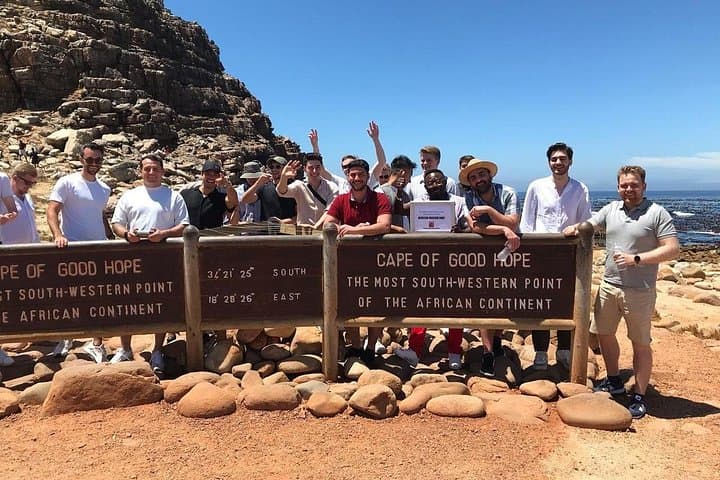
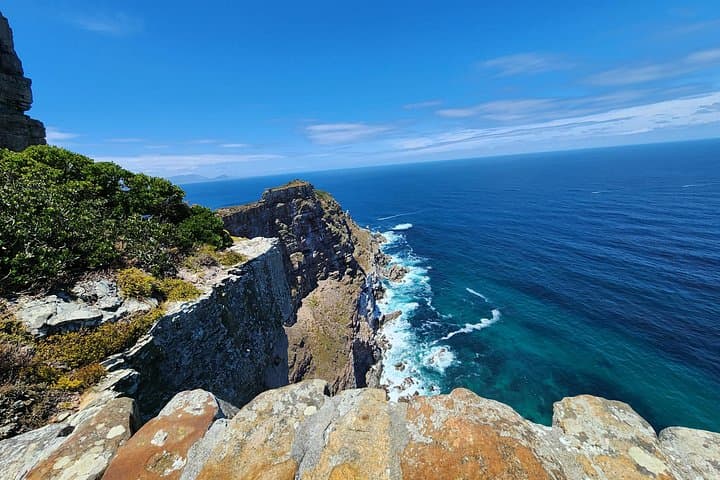
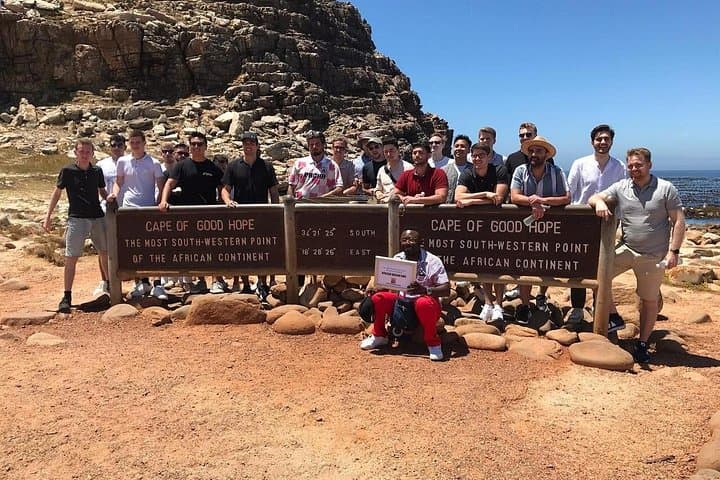
Spend a full day tracing the drama of the Cape Peninsula: a seal boat trip, the wind-swept cliffs of Cape Point, a penguin colony at Boulders Beach, and a relaxed wine tasting in historic Constantia. This small‑group tour blends wildlife, coastal drives and local history into one tidy, photo‑ready itinerary.
Spend a full day tracing the drama of the Cape Peninsula: a seal boat trip, the wind-swept cliffs of Cape Point, a penguin colony at Boulders Beach, and a relaxed wine tasting in historic Constantia. This small‑group tour blends wildlife, coastal drives and local history into one tidy, photo‑ready itinerary.
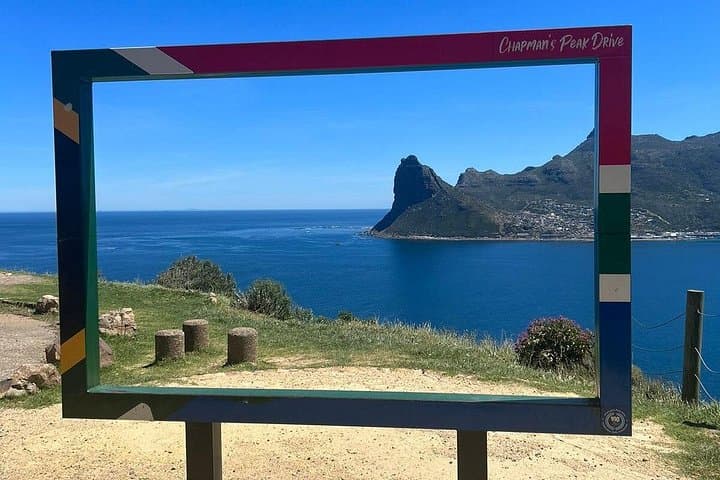
By 8 a.m. the van slips through Cape Town’s awakening suburbs and the Atlantic presses like a living thing against the window—waves daring you to look away. The first hour is a visual crescendo: Sea Point’s promenade, the white teeth of Clifton’s small bays and the sweeping arc of Camps Bay. Chapman’s Peak arrives suddenly, a ribbon of road cut into vertiginous rock that forces everyone in the vehicle to breathe slower and point their cameras.
Verified experiences and guided adventures in the surrounding area.
Operated by african macaw dmc and Safaris · Cape Town, Western Cape
By 8 a.m. the van slips through Cape Town’s awakening suburbs and the Atlantic presses like a living thing against the window—waves daring you to look away. The first hour is a visual crescendo: Sea Point’s promenade, the white teeth of Clifton’s small bays and the sweeping arc of Camps Bay. Chapman’s Peak arrives suddenly, a ribbon of road cut into vertiginous rock that forces everyone in the vehicle to breathe slower and point their cameras.
This is a day of contrasts—granite boulders and penguins at Boulders Beach, the spray‑laced cliffs of Cape Point and the cultivated terraces of Constantia’s vineyards. The Cape Peninsula is geologically young in appearance and ancient in force; Table Mountain’s sandstone and the peninsula’s granites were pushed up and carved over millions of years, then shaped by two ocean currents—the cold Benguela and the warm Agulhas—that still argue where ocean meets land. Ships have run aground here since the 15th century, and the Cape’s lighthouses and beacons speak to a long human history of navigation, exploration, and survival.
Wildlife here has adapted to extremes. Thousands of Cape fur seals haul out on rocky islets by Hout Bay, where boats bring you close enough to watch them tumble and launch into the surf. At Boulders Beach, African penguins waddle between boardwalks and shallow water—awkward on land, graceful and fast in the sea. In the reserves around Cape Point the fynbos—part of the Cape Floristic Region—holds plant species found nowhere else on Earth.
Practical edge: this is a full‑day, small‑group tour (approximately 9 hours) with multiple short walks and photo stops. Expect a mix of paved boardwalks, paved viewpoints and short rocky paths; the short climb to Cape Point lighthouse can be avoided with the funicular (extra fee). The guide times stops to balance wildlife viewing, coastal panoramas, and a relaxed tasting at a Constantia estate where you’ll taste five wines and take home a crystal glass.
Bring a windproof layer, sun protection, sensible shoes for boardwalks and short rocky climbs, and a refillable water bottle. Plan for variable weather—mornings can be calm and bright, afternoons windy and cool. Keep a small daypack for binoculars, camera gear, and the snacks that make long drives more comfortable. Respect wildlife—stay on the boardwalks at Boulders, keep distance from seals and baboons, and follow your guide’s instructions. By day’s end the Atlantic will have pushed and soothed you; the final pour of Constantia wine will feel earned.
The tour runs about 9 hours and departs with hotel pick‑up around 8:00 AM; return is typically late afternoon depending on traffic.
Basic park access included in many tours varies; the Flying Dutchman funicular to the Cape Point lighthouse is an additional fee not included in the tour price.
The Seal Island boat runs in most conditions but can be canceled for safety in rough seas; your guide will advise on the day.
Yes—infant seats are available and wildlife stops are family friendly, but young children should be supervised on boardwalks and near water.
Short, easy walks and some uneven terrain—participants should be comfortable standing and walking 10–30 minutes at a time.
The tour operates in most weather; severe conditions that affect safety or boat operations may result in cancellations with refund policies applying—confirm with the operator.
african macaw dmc and Safaris operates guided outdoor trips and adventures with an emphasis on safety, stewardship, and memorable experiences.
By 8 a.m. the van slips through Cape Town’s awakening suburbs and the Atlantic presses like a living thing against the window—waves daring you to look away. The first hour is a visual crescendo: Sea Point’s promenade, the white teeth of Clifton’s small bays and the sweeping arc of Camps Bay. Chapman’s Peak arrives suddenly, a ribbon of road cut into vertiginous rock that forces everyone in the vehicle to breathe slower and point their cameras.
By 8 a.m. the van slips through Cape Town’s awakening suburbs and the Atlantic presses like a living thing against the window—waves daring you to look away. The first hour is a visual crescendo: Sea Point’s promenade, the white teeth of Clifton’s small bays and the sweeping arc of Camps Bay. Chapman’s Peak arrives suddenly, a ribbon of road cut into vertiginous rock that forces everyone in the vehicle to breathe slower and point their cameras.
This is a day of contrasts—granite boulders and penguins at Boulders Beach, the spray‑laced cliffs of Cape Point and the cultivated terraces of Constantia’s vineyards. The Cape Peninsula is geologically young in appearance and ancient in force; Table Mountain’s sandstone and the peninsula’s granites were pushed up and carved over millions of years, then shaped by two ocean currents—the cold Benguela and the warm Agulhas—that still argue where ocean meets land. Ships have run aground here since the 15th century, and the Cape’s lighthouses and beacons speak to a long human history of navigation, exploration, and survival.
Wildlife here has adapted to extremes. Thousands of Cape fur seals haul out on rocky islets by Hout Bay, where boats bring you close enough to watch them tumble and launch into the surf. At Boulders Beach, African penguins waddle between boardwalks and shallow water—awkward on land, graceful and fast in the sea. In the reserves around Cape Point the fynbos—part of the Cape Floristic Region—holds plant species found nowhere else on Earth.
Practical edge: this is a full‑day, small‑group tour (approximately 9 hours) with multiple short walks and photo stops. Expect a mix of paved boardwalks, paved viewpoints and short rocky paths; the short climb to Cape Point lighthouse can be avoided with the funicular (extra fee). The guide times stops to balance wildlife viewing, coastal panoramas, and a relaxed tasting at a Constantia estate where you’ll taste five wines and take home a crystal glass.
Bring a windproof layer, sun protection, sensible shoes for boardwalks and short rocky climbs, and a refillable water bottle. Plan for variable weather—mornings can be calm and bright, afternoons windy and cool. Keep a small daypack for binoculars, camera gear, and the snacks that make long drives more comfortable. Respect wildlife—stay on the boardwalks at Boulders, keep distance from seals and baboons, and follow your guide’s instructions. By day’s end the Atlantic will have pushed and soothed you; the final pour of Constantia wine will feel earned.