THE ADVENTURE COLLECTIVE® · Independent discovery and booking for outdoor travel

A private full-day circuit from Cape Town that pairs Chapman’s Peak’s cliffside drive with the endangered penguin colony at Boulders and the windswept Cape of Good Hope. Expect dramatic coastal views, short hikes, and intimate wildlife encounters—all with private transport and entrance fees included.
A private full-day circuit from Cape Town that pairs Chapman’s Peak’s cliffside drive with the endangered penguin colony at Boulders and the windswept Cape of Good Hope. Expect dramatic coastal views, short hikes, and intimate wildlife encounters—all with private transport and entrance fees included.
A private minivan slips out of Cape Town before the city fully wakes, tires whispering along the Atlantic Seaboard as sunlight rims the Twelve Apostles. The first stop is Camps Bay, where palms lean and the ocean pulls at the horizon—an easy preview of the coastal drama to come. From there the route climbs and falls, exposing raw cliff faces and sudden bays until the road narrows and Chapman’s Peak unfurls: a 9 km ribbon of engineering carved into the cliff that refuses to let you look away.
Verified experiences and guided adventures in the surrounding area.
Operated by LT Lifestyle · Cape Town, Western Cape
A private minivan slips out of Cape Town before the city fully wakes, tires whispering along the Atlantic Seaboard as sunlight rims the Twelve Apostles. The first stop is Camps Bay, where palms lean and the ocean pulls at the horizon—an easy preview of the coastal drama to come. From there the route climbs and falls, exposing raw cliff faces and sudden bays until the road narrows and Chapman’s Peak unfurls: a 9 km ribbon of engineering carved into the cliff that refuses to let you look away.
By mid-morning the guide navigates the harbor bustle of Hout Bay. Seabirds wheel; the scent of fried fish and salt hangs low. Boat tours to Duiker Island tempt with thousands of Cape fur seals, but this itinerary keeps the pace deliberate—long enough to feel present, not rushed. The van threads through Noordhoek and Simon’s Town, towns with naval pasts and working harbors that hint at centuries of maritime trade and shipwreck stories that shaped the Cape’s history.
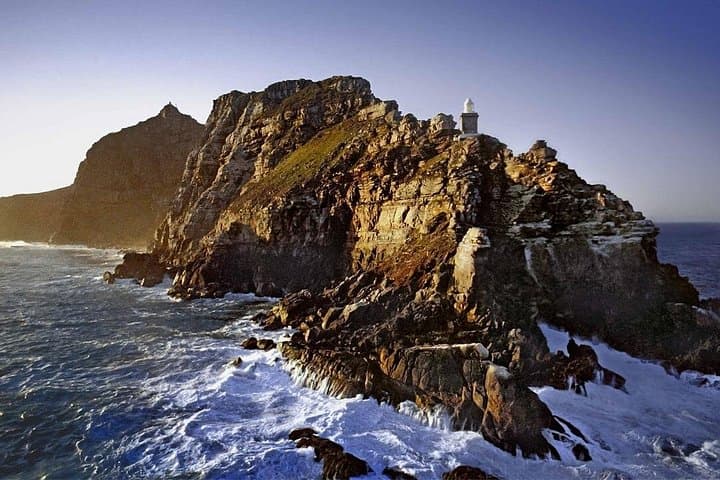
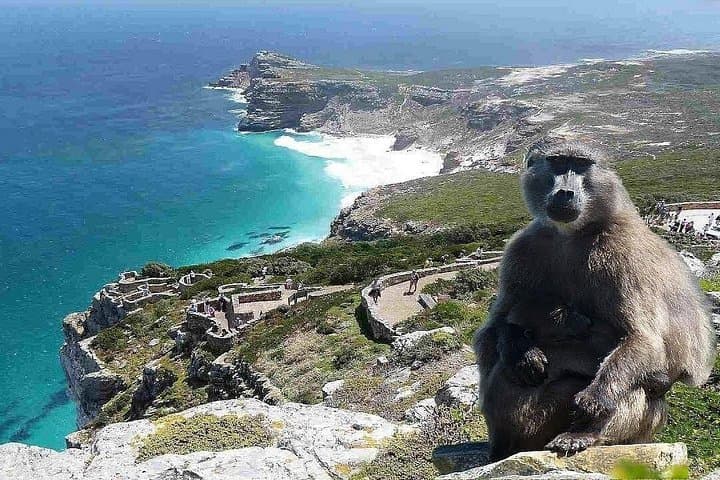
Geology here is blunt and visible: Table Mountain sandstone and Cape Fold Belt ridges thrust against an Atlantic swell. Vegetation is predominantly fynbos, a hardy shrubland that buds with proteas and appears fragile yet resists wind and salt. The Cape of Good Hope Nature Reserve sits at the peninsula’s tip, where waves test the shoreline and the land feels like it’s leaning into the ocean. Hikes are short but exposed; the wind has its own agenda and will push at you as you reach viewpoints.
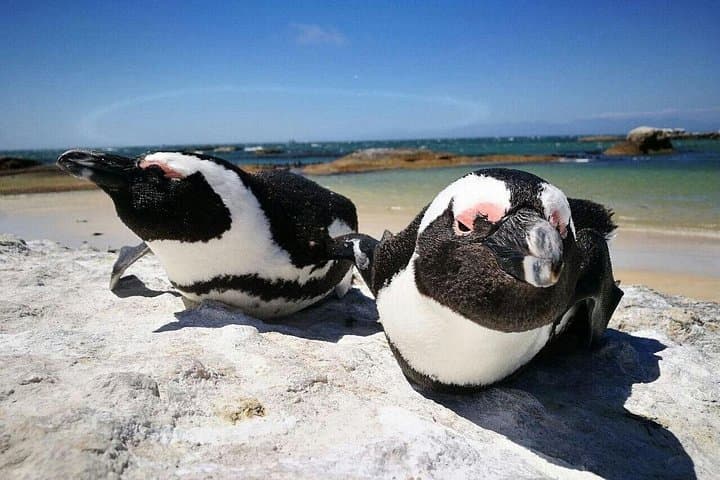
The penguins at Boulders Beach provide a gentler contrast. Raised boardwalks thread through dunes and allow close, non-invasive viewing of African penguins—endangered residents that waddle, preen, and occasionally dive into turquoise water as if daring each other to be braver than the surf.
Practicalities: the full-day tour runs about eight hours and includes air-conditioned private transport, entrance fees for Cape Point and Boulders, and bottled water. Expect multiple short walks—Boulders’ boardwalk is roughly 300–500 m; a lighthouse path at Cape Point can be a 1–2 km roundtrip, with sections of uneven rock and stairs. Dress in layers: mornings can be mild, but coastal winds and afternoon sun demand a windbreaker, hat, and sunscreen. Comfortable walking shoes with grip are recommended for rocky sections.
Timing matters—Chapman’s Peak is most photogenic mid-morning to early afternoon when light slants across the cliffs, while penguins are active throughout the day. Bring a compact binocular and respect posted barriers: this is a protected habitat. For photographers and naturalists alike, the tour balances spectacle with stewardship—an accessible way to experience the raw edge of South Africa’s coast without sacrificing context or comfort.
Yes—entrance fees for the Cape of Good Hope Nature Reserve and Boulders Beach are included in the tour price.
The tour is approximately eight hours with hotel or port pickup and drop-off included—confirm your pickup location when booking.
Boardwalks allow close yet non-invasive viewing of the African penguin colony; feeding or touching is prohibited to protect them.
Yes—infants and small children can use strollers on paved sections, though some paths at Cape Point have steps and rocky sections.
Dress in layers with a windproof jacket, hat, sunscreen, and comfortable shoes with good grip for uneven terrain.
There are basic facilities and cafes in towns like Hout Bay and Simon’s Town; bring snacks if you prefer specific dietary options.
LT Lifestyle operates guided outdoor trips and adventures with an emphasis on safety, stewardship, and memorable experiences.
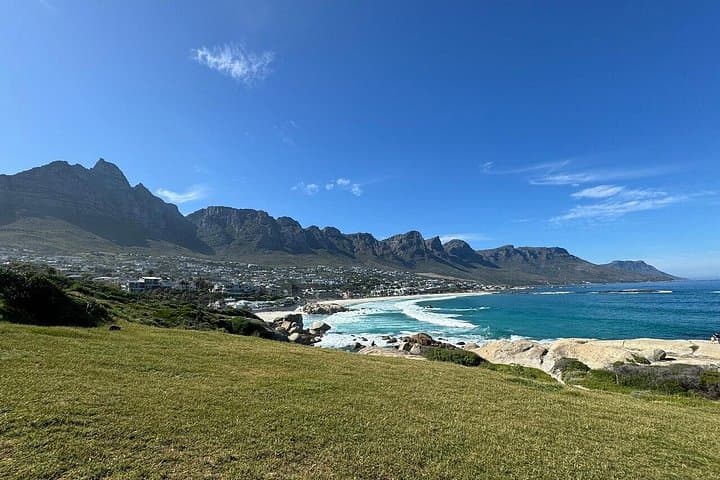
A private minivan slips out of Cape Town before the city fully wakes, tires whispering along the Atlantic Seaboard as sunlight rims the Twelve Apostles. The first stop is Camps Bay, where palms lean and the ocean pulls at the horizon—an easy preview of the coastal drama to come. From there the route climbs and falls, exposing raw cliff faces and sudden bays until the road narrows and Chapman’s Peak unfurls: a 9 km ribbon of engineering carved into the cliff that refuses to let you look away.
A private minivan slips out of Cape Town before the city fully wakes, tires whispering along the Atlantic Seaboard as sunlight rims the Twelve Apostles. The first stop is Camps Bay, where palms lean and the ocean pulls at the horizon—an easy preview of the coastal drama to come. From there the route climbs and falls, exposing raw cliff faces and sudden bays until the road narrows and Chapman’s Peak unfurls: a 9 km ribbon of engineering carved into the cliff that refuses to let you look away.
By mid-morning the guide navigates the harbor bustle of Hout Bay. Seabirds wheel; the scent of fried fish and salt hangs low. Boat tours to Duiker Island tempt with thousands of Cape fur seals, but this itinerary keeps the pace deliberate—long enough to feel present, not rushed. The van threads through Noordhoek and Simon’s Town, towns with naval pasts and working harbors that hint at centuries of maritime trade and shipwreck stories that shaped the Cape’s history.
Geology here is blunt and visible: Table Mountain sandstone and Cape Fold Belt ridges thrust against an Atlantic swell. Vegetation is predominantly fynbos, a hardy shrubland that buds with proteas and appears fragile yet resists wind and salt. The Cape of Good Hope Nature Reserve sits at the peninsula’s tip, where waves test the shoreline and the land feels like it’s leaning into the ocean. Hikes are short but exposed; the wind has its own agenda and will push at you as you reach viewpoints.
The penguins at Boulders Beach provide a gentler contrast. Raised boardwalks thread through dunes and allow close, non-invasive viewing of African penguins—endangered residents that waddle, preen, and occasionally dive into turquoise water as if daring each other to be braver than the surf.
Practicalities: the full-day tour runs about eight hours and includes air-conditioned private transport, entrance fees for Cape Point and Boulders, and bottled water. Expect multiple short walks—Boulders’ boardwalk is roughly 300–500 m; a lighthouse path at Cape Point can be a 1–2 km roundtrip, with sections of uneven rock and stairs. Dress in layers: mornings can be mild, but coastal winds and afternoon sun demand a windbreaker, hat, and sunscreen. Comfortable walking shoes with grip are recommended for rocky sections.
Timing matters—Chapman’s Peak is most photogenic mid-morning to early afternoon when light slants across the cliffs, while penguins are active throughout the day. Bring a compact binocular and respect posted barriers: this is a protected habitat. For photographers and naturalists alike, the tour balances spectacle with stewardship—an accessible way to experience the raw edge of South Africa’s coast without sacrificing context or comfort.