THE ADVENTURE COLLECTIVE® · Independent discovery and booking for outdoor travel

A late‑afternoon private drive from Cape Town that threads Chapman's Peak, Cape Point’s wind‑scoured cliffs, and the Boulders penguin colony. Expect lighthouse hikes, coastal wildlife, and sweeping photo stops along a classic 180‑km circuit.
A late‑afternoon private drive from Cape Town that threads Chapman's Peak, Cape Point’s wind‑scoured cliffs, and the Boulders penguin colony. Expect lighthouse hikes, coastal wildlife, and sweeping photo stops along a classic 180‑km circuit.
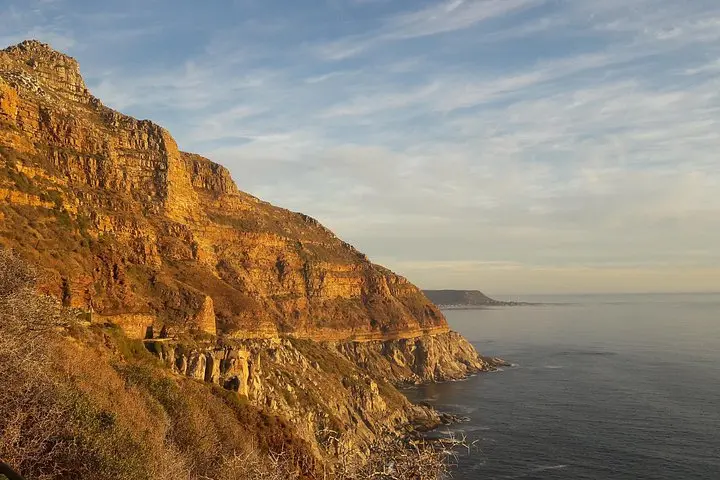
You step into an air-conditioned van at the V&A Waterfront and the city peels away—Table Mountain shrinking behind, the Atlantic widening before you. The road hugs the shoulder of the peninsula, cliffs and surf trading places in quick succession. By the time you round Chapman's Peak, the light softens, the ocean loosens its edge, and the coastline seems to dare you to keep up.
Verified experiences and guided adventures in the surrounding area.
Operated by Table Mountain hiking tours · Cape Town, Western Cape
You step into an air-conditioned van at the V&A Waterfront and the city peels away—Table Mountain shrinking behind, the Atlantic widening before you. The road hugs the shoulder of the peninsula, cliffs and surf trading places in quick succession. By the time you round Chapman's Peak, the light softens, the ocean loosens its edge, and the coastline seems to dare you to keep up.
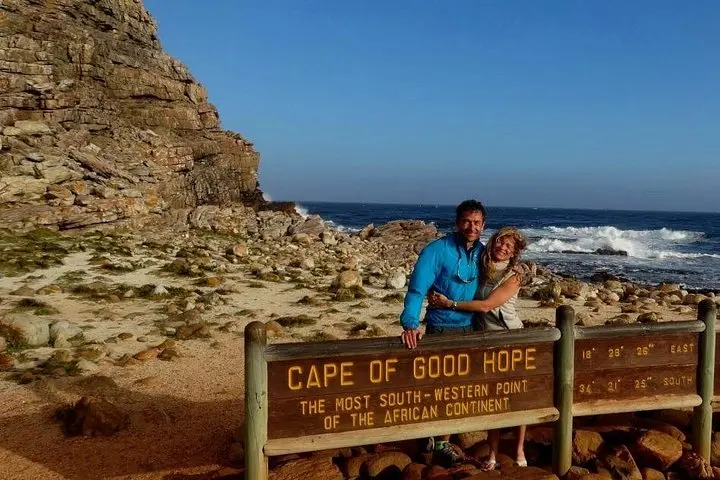
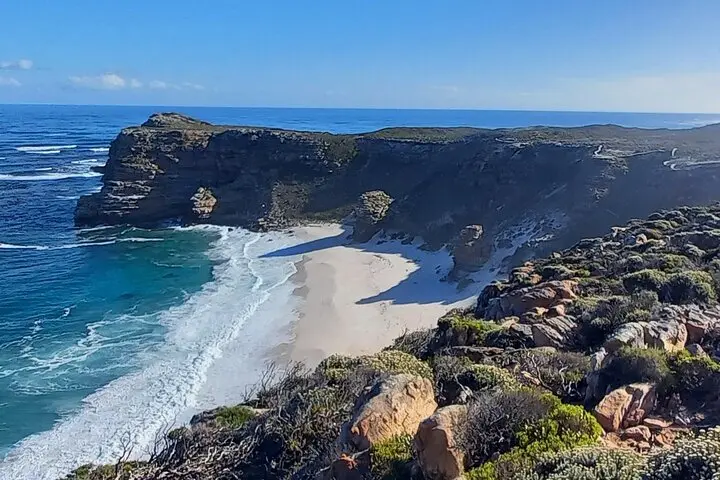
This five‑hour private drive covers roughly 180 kilometers of shoreline, from Cape Town around the Cape Peninsula to Cape Point Nature Reserve and the Cape of Good Hope, with a late‑afternoon return along the Atlantic Seaboard. The region is a chapter of maritime history: Portuguese explorers like Bartolomeu Dias first rounded these headlands in the 15th century, and plaques at the reserve mark their passage. Geologically the coastline is an armature of Table Mountain sandstone and ancient granite boulders—those same rounded stones frame the penguin beaches at Boulders, shaped by millennia of waves and wind.
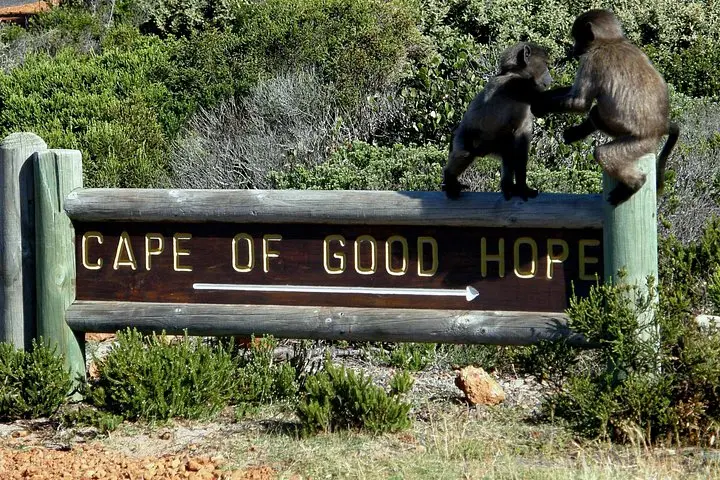
Culture here is coastal and informal: working fishing villages such as Simon's Town and Kalk Bay still unload daily catches, and small cafés spill the smells of roasted fish and coffee onto harborside promenades. The nature reserve is more than a photo stop—it’s an active ecosystem. Baboons patrol the roads with the confidence of long residency; bontebok and Cape mountain zebra graze on fynbos slopes; and the African penguin colony at Boulders offers a rare chance to watch seabirds adapt to human neighbors—always from the boardwalk.
Practicalities are straightforward. The tour departs from a central Cape Town pickup (V&A Waterfront lobby is a standard meeting point) and runs approximately five hours. There are short walks—enough to hike to Cape Point’s old lighthouse or to wander the Boulders boardwalk—so wear sensible shoes. Park entrance fees and Chapman's Peak toll are normally part of the itinerary; check with the operator if admissions are included at booking. Bring a windproof layer: ocean gales arrive without warning, and sunlight reflects fiercely off the water even late in the afternoon.
Respect the wildlife: keep distance from penguins, do not feed baboons, and follow reserve signage. For photographers, plan to ride the coast at golden hour—Chapman's Peak and the lighthouse make dramatic silhouettes—while midday is best for close, evenly lit penguin shots. If you want a quieter visit, ask for a pickup time that avoids cruise-ship overlap in Simon’s Town.
This is a neatly packaged introduction to South Africa’s southern shore—part history lesson, part wildlife encounter, and wholly scenic driving country that rewards curiosity and the right pair of walking shoes.
Check at booking—some operators include Cape Point Nature Reserve and Boulders Beach fees, others charge them as extras at the gate.
Boardwalks keep visitors a respectful distance—you can observe and photograph them, but walking onto their nesting areas is prohibited.
Yes; the funicular (Flying Dutchman) operates seasonally and by availability, otherwise there is a short but steep trail to the top.
Yes—this private tour is family‑friendly, though parents should supervise near wildlife and the beach.
Pickup from Cape Town city bowl hotels is typically offered—confirm your hotel on booking and allow 15 minutes before departure.
Keep windows and doors closed, do not feed or provoke baboons, and follow your guide’s instructions—never attempt to shoo them yourself.
Table Mountain hiking tours operates guided outdoor trips and adventures with an emphasis on safety, stewardship, and memorable experiences.
You step into an air-conditioned van at the V&A Waterfront and the city peels away—Table Mountain shrinking behind, the Atlantic widening before you. The road hugs the shoulder of the peninsula, cliffs and surf trading places in quick succession. By the time you round Chapman's Peak, the light softens, the ocean loosens its edge, and the coastline seems to dare you to keep up.
You step into an air-conditioned van at the V&A Waterfront and the city peels away—Table Mountain shrinking behind, the Atlantic widening before you. The road hugs the shoulder of the peninsula, cliffs and surf trading places in quick succession. By the time you round Chapman's Peak, the light softens, the ocean loosens its edge, and the coastline seems to dare you to keep up.
This five‑hour private drive covers roughly 180 kilometers of shoreline, from Cape Town around the Cape Peninsula to Cape Point Nature Reserve and the Cape of Good Hope, with a late‑afternoon return along the Atlantic Seaboard. The region is a chapter of maritime history: Portuguese explorers like Bartolomeu Dias first rounded these headlands in the 15th century, and plaques at the reserve mark their passage. Geologically the coastline is an armature of Table Mountain sandstone and ancient granite boulders—those same rounded stones frame the penguin beaches at Boulders, shaped by millennia of waves and wind.
Culture here is coastal and informal: working fishing villages such as Simon's Town and Kalk Bay still unload daily catches, and small cafés spill the smells of roasted fish and coffee onto harborside promenades. The nature reserve is more than a photo stop—it’s an active ecosystem. Baboons patrol the roads with the confidence of long residency; bontebok and Cape mountain zebra graze on fynbos slopes; and the African penguin colony at Boulders offers a rare chance to watch seabirds adapt to human neighbors—always from the boardwalk.
Practicalities are straightforward. The tour departs from a central Cape Town pickup (V&A Waterfront lobby is a standard meeting point) and runs approximately five hours. There are short walks—enough to hike to Cape Point’s old lighthouse or to wander the Boulders boardwalk—so wear sensible shoes. Park entrance fees and Chapman's Peak toll are normally part of the itinerary; check with the operator if admissions are included at booking. Bring a windproof layer: ocean gales arrive without warning, and sunlight reflects fiercely off the water even late in the afternoon.
Respect the wildlife: keep distance from penguins, do not feed baboons, and follow reserve signage. For photographers, plan to ride the coast at golden hour—Chapman's Peak and the lighthouse make dramatic silhouettes—while midday is best for close, evenly lit penguin shots. If you want a quieter visit, ask for a pickup time that avoids cruise-ship overlap in Simon’s Town.
This is a neatly packaged introduction to South Africa’s southern shore—part history lesson, part wildlife encounter, and wholly scenic driving country that rewards curiosity and the right pair of walking shoes.