THE ADVENTURE COLLECTIVE® · Independent discovery and booking for outdoor travel

Drive one of the world’s most scenic coastal roads, stand where two oceans meet at Cape Point, and watch African penguins waddle across granite boulders — all in a single, well-paced day from Cape Town.
Drive one of the world’s most scenic coastal roads, stand where two oceans meet at Cape Point, and watch African penguins waddle across granite boulders — all in a single, well-paced day from Cape Town.
You pull away from Cape Town before the city fully wakes, the Mercedes hums and the coastline unwraps like a map. Chapman's Peak Drive clings to the cliff edge, the Atlantic below daring you to look down; gulls cut the wind like paper. On a clear day the road delivers a cinema of sea and stone that sets the tone for the rest of the day: coastal drama, abrupt elevation changes, and wildlife that refuses to be polite.
Verified experiences and guided adventures in the surrounding area.
Operated by Kono tourism services · Cape Town, Western Cape
You pull away from Cape Town before the city fully wakes, the Mercedes hums and the coastline unwraps like a map. Chapman's Peak Drive clings to the cliff edge, the Atlantic below daring you to look down; gulls cut the wind like paper. On a clear day the road delivers a cinema of sea and stone that sets the tone for the rest of the day: coastal drama, abrupt elevation changes, and wildlife that refuses to be polite.
History and geology arrive as companions. The Cape Peninsula is a fractured edge of Table Mountain sandstone and ancient granite; waves have been carving it for millennia. Portuguese navigators named the Cape of Good Hope when maritime routes shifted southward, a historical echo you feel at the promontory where two oceans meet and push against one another, trading currents and weather fronts like rival crews.
Cultural notes are close at hand in the towns you pass: Kalk Bay’s working harbor still smells of fresh hake and engine oil, Simon’s Town carries a naval past in its architecture, and the penguin rookery at Boulders Beach plays out a different kind of drama — comedic, awkward, irresistible. The African penguins that occupy the granite coves are small and loud; their braying voices are the coastline’s unexpected instrument.
The itinerary is efficient: photo stops on Chapman's Peak, time to explore Cape Point Nature Reserve with an option to hike out to the lighthouse, and a relaxed visit to Boulders Beach where boardwalks keep human feet out of the penguins’ nesting zones. Practical comforts are included — bottled water, pickup and drop-off in Cape Town, and a professional driver-guide who reads the light and the wind, and times stops accordingly.
For planning: mornings are best for light and smaller crowds; bring a windproof layer even in summer since gusts off the ocean can drop the temperature quickly. Wear sturdy shoes if you intend to hike the lighthouse trail — the switchback and steps are short but steep in places. Keep binoculars and a zoom lens at the ready; seals and dolphins often appear from the surf, and whales make seasonal cameo appearances.
This is a day for contrasts: manicured seaside towns and wild headlands, close encounters with penguins and the distant pull of ancient trade routes. It’s approachable for most fitness levels but rewards a curious eye and basic preparation — sun protection, sensible footwear, and patience for wildlife photography. Done right, the tour leaves you with sand in your shoes, salt on your lips, and a clear sense of why the Cape has pulled sailors and storytellers for centuries.
The tour runs approximately eight hours, including pickup and drop-off in Cape Town and all scheduled stops along the peninsula.
The tour includes relevant tolls and typically covers park admissions listed in the itinerary; confirm at booking for any changes.
Yes — swimming is possible in sheltered coves, but stay on designated paths to avoid disturbing nesting penguins and follow guide instructions.
Yes. The route is accessible and stops include boardwalks; the tour is marked wheelchair accessible but confirm individual needs with the operator at booking.
Whale season along the Cape coast typically runs from June to November, with southern right whales most commonly sighted during those months.
Lunch is usually at your own expense in Simon's Town or Kalk Bay; guides can recommend local seafood spots and accommodate dietary needs if informed ahead of time.
Kono tourism services operates guided outdoor trips and adventures with an emphasis on safety, stewardship, and memorable experiences.


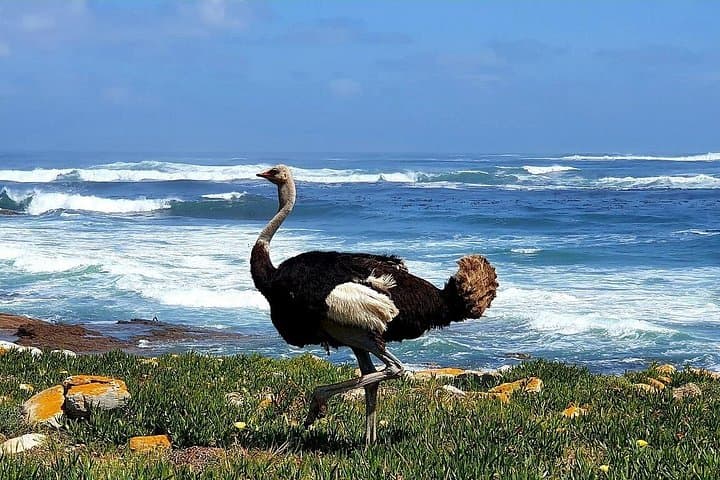
You pull away from Cape Town before the city fully wakes, the Mercedes hums and the coastline unwraps like a map. Chapman's Peak Drive clings to the cliff edge, the Atlantic below daring you to look down; gulls cut the wind like paper. On a clear day the road delivers a cinema of sea and stone that sets the tone for the rest of the day: coastal drama, abrupt elevation changes, and wildlife that refuses to be polite.
You pull away from Cape Town before the city fully wakes, the Mercedes hums and the coastline unwraps like a map. Chapman's Peak Drive clings to the cliff edge, the Atlantic below daring you to look down; gulls cut the wind like paper. On a clear day the road delivers a cinema of sea and stone that sets the tone for the rest of the day: coastal drama, abrupt elevation changes, and wildlife that refuses to be polite.
History and geology arrive as companions. The Cape Peninsula is a fractured edge of Table Mountain sandstone and ancient granite; waves have been carving it for millennia. Portuguese navigators named the Cape of Good Hope when maritime routes shifted southward, a historical echo you feel at the promontory where two oceans meet and push against one another, trading currents and weather fronts like rival crews.
Cultural notes are close at hand in the towns you pass: Kalk Bay’s working harbor still smells of fresh hake and engine oil, Simon’s Town carries a naval past in its architecture, and the penguin rookery at Boulders Beach plays out a different kind of drama — comedic, awkward, irresistible. The African penguins that occupy the granite coves are small and loud; their braying voices are the coastline’s unexpected instrument.
The itinerary is efficient: photo stops on Chapman's Peak, time to explore Cape Point Nature Reserve with an option to hike out to the lighthouse, and a relaxed visit to Boulders Beach where boardwalks keep human feet out of the penguins’ nesting zones. Practical comforts are included — bottled water, pickup and drop-off in Cape Town, and a professional driver-guide who reads the light and the wind, and times stops accordingly.
For planning: mornings are best for light and smaller crowds; bring a windproof layer even in summer since gusts off the ocean can drop the temperature quickly. Wear sturdy shoes if you intend to hike the lighthouse trail — the switchback and steps are short but steep in places. Keep binoculars and a zoom lens at the ready; seals and dolphins often appear from the surf, and whales make seasonal cameo appearances.
This is a day for contrasts: manicured seaside towns and wild headlands, close encounters with penguins and the distant pull of ancient trade routes. It’s approachable for most fitness levels but rewards a curious eye and basic preparation — sun protection, sensible footwear, and patience for wildlife photography. Done right, the tour leaves you with sand in your shoes, salt on your lips, and a clear sense of why the Cape has pulled sailors and storytellers for centuries.