THE ADVENTURE COLLECTIVE® · Independent discovery and booking for outdoor travel
Spend a full day tracing the Cape Peninsula’s most dramatic coastline — drive the hairpin curves of Chapman's Peak, peer into lighthouse country at Cape Point, and watch African penguins up close at Boulders Beach. This private tour mixes easy walks, coastal viewing and local culture in one efficient loop from Cape Town.
Spend a full day tracing the Cape Peninsula’s most dramatic coastline — drive the hairpin curves of Chapman's Peak, peer into lighthouse country at Cape Point, and watch African penguins up close at Boulders Beach. This private tour mixes easy walks, coastal viewing and local culture in one efficient loop from Cape Town.
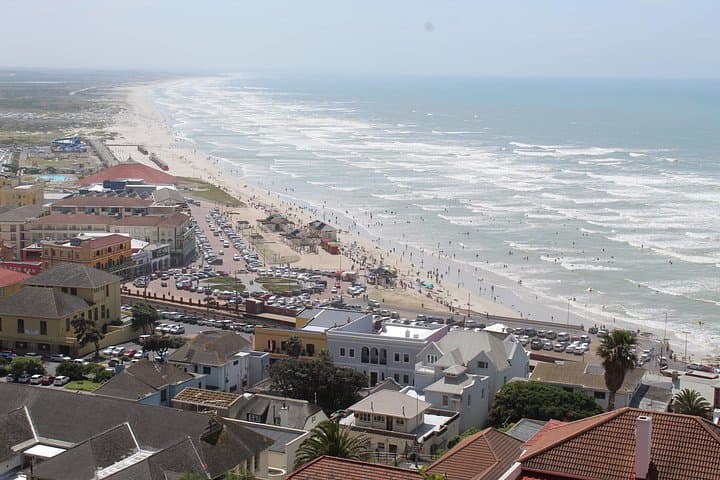
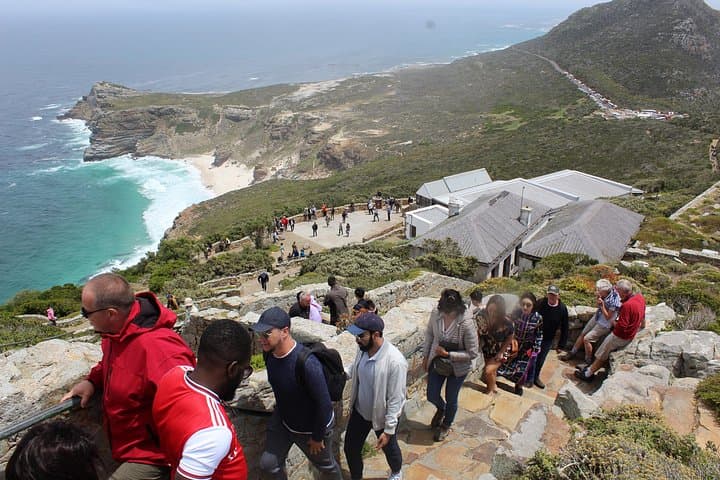
Morning light slants across the Atlantic and the car eases onto Chapman's Peak Drive, a ribbon of road carved into sea-splashed cliffs. The ocean takes a breath below: swells foam against granite faces, gulls wheel and the road hums with a slow, cinematic rhythm. On a full-day private tour from Cape Town you move from the city’s sculpted skyline to the raw edge of the Cape Peninsula — lighthouse platforms, shipwreck-strewn coves, and a beachfront where tuxedoed residents waddle between boulders.
Verified experiences and guided adventures in the surrounding area.
Operated by Raw African Safaris · Simon's Town, Western Cape
Morning light slants across the Atlantic and the car eases onto Chapman's Peak Drive, a ribbon of road carved into sea-splashed cliffs. The ocean takes a breath below: swells foam against granite faces, gulls wheel and the road hums with a slow, cinematic rhythm. On a full-day private tour from Cape Town you move from the city’s sculpted skyline to the raw edge of the Cape Peninsula — lighthouse platforms, shipwreck-strewn coves, and a beachfront where tuxedoed residents waddle between boulders.
This coast has been shaping storylines for centuries. Portuguese and Dutch explorers mapped these breakers as both hazard and promise; Table Mountain’s sandstone backbone and the peninsula’s stark granite came from ancient forces that folded and scoured the shoreline. Simon’s Town, where Boulders Beach sits, is one of South Africa’s oldest naval settlements — its Victorian houses and naval docks keep the memory of the Cape’s maritime role tangible.
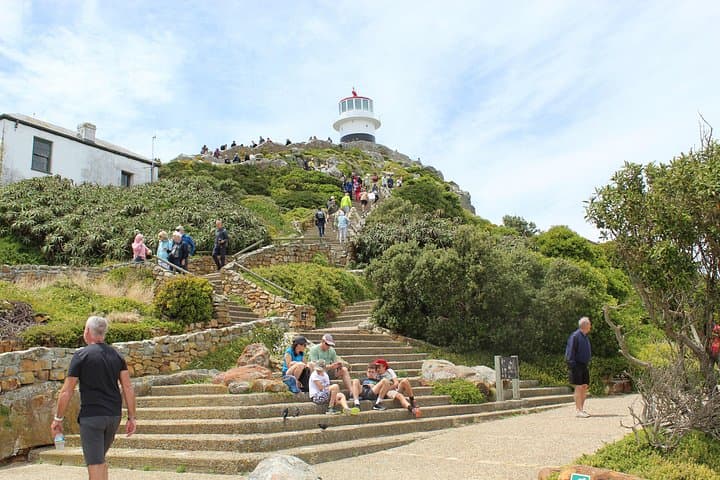
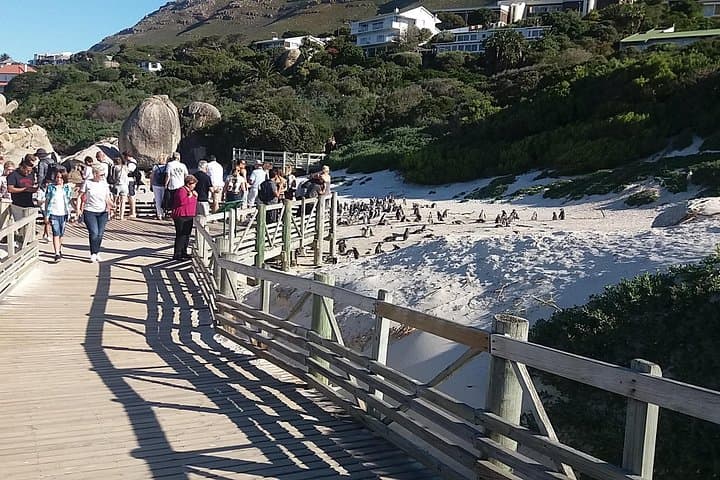
Boulders isn’t a zoo; it’s a colony of African penguins whose routines stitch the shoreline together. Boardwalks bring you close without disturbing their nesting zones; sometimes a bird will pause and give you a curious tilt of the head, as if judging your swim technique. Up the road, Cape Point’s lighthouse stands where currents collide and the land leans into the Southern Ocean. Fynbos — the low, scrubby vegetation that makes this region globally important — perfumes the air with resin and wildflower notes, especially in spring.
Practicality matters on a day like this. Expect about eight hours from Cape Town with multiple short walking stops: boardwalks and gentle paths rather than long hikes. The drive along Chapman's Peak includes tolls and narrow lookout pullouts; sea spray and wind can surprise you, so layers are essential. If you want to go in the water with the penguins, be prepared for very cold Atlantic temperatures; most visitors watch and photograph rather than swim alongside the birds. Guides handle ferrying, entrance fees (for some reserve areas) and local logistics, and many tours fold in a wine stop in Constantia or a market visit at Hout Bay.
For photographers, early and late light softens the cliffs and highlights the penguins’ glossy feathers. For conservation-minded travelers, this outing is also a reminder: the Cape Floral Region is tiny but dense with species, and the African penguin is vulnerable — respectful viewing helps keep both species and places healthy. In one day you’ll move through history, geology and wildlife, and you’ll understand why the Cape’s coastline still grabs visitors by the collar and won’t let go.
Swimming with African penguins is generally discouraged to protect the colony; most visitors watch from boardwalks, and guided boat trips focus on safe, non-intrusive viewing.
The tour includes some entry fees but optional activities (seal boat, wine tasting, certain reserve areas) may require separate payments—check your booking details.
Chapman's Peak Drive is a 9 km scenic route with many viewpoints; the whole tour covers several drives and short walks over an 8-hour day.
Seals are commonly visible in Hout Bay and around Seal Island; whale sightings are seasonal (mainly June–November) and can't be guaranteed.
Yes — the operator provides infant seats and the itinerary is family-friendly, though watch children closely around wildlife and cliff edges.
Chacma baboons are known to take food and items from visitors. Keep bags closed, avoid feeding wildlife and follow guide instructions.
Raw African Safaris operates guided outdoor trips and adventures with an emphasis on safety, stewardship, and memorable experiences.
Morning light slants across the Atlantic and the car eases onto Chapman's Peak Drive, a ribbon of road carved into sea-splashed cliffs. The ocean takes a breath below: swells foam against granite faces, gulls wheel and the road hums with a slow, cinematic rhythm. On a full-day private tour from Cape Town you move from the city’s sculpted skyline to the raw edge of the Cape Peninsula — lighthouse platforms, shipwreck-strewn coves, and a beachfront where tuxedoed residents waddle between boulders.
Morning light slants across the Atlantic and the car eases onto Chapman's Peak Drive, a ribbon of road carved into sea-splashed cliffs. The ocean takes a breath below: swells foam against granite faces, gulls wheel and the road hums with a slow, cinematic rhythm. On a full-day private tour from Cape Town you move from the city’s sculpted skyline to the raw edge of the Cape Peninsula — lighthouse platforms, shipwreck-strewn coves, and a beachfront where tuxedoed residents waddle between boulders.
This coast has been shaping storylines for centuries. Portuguese and Dutch explorers mapped these breakers as both hazard and promise; Table Mountain’s sandstone backbone and the peninsula’s stark granite came from ancient forces that folded and scoured the shoreline. Simon’s Town, where Boulders Beach sits, is one of South Africa’s oldest naval settlements — its Victorian houses and naval docks keep the memory of the Cape’s maritime role tangible.
Boulders isn’t a zoo; it’s a colony of African penguins whose routines stitch the shoreline together. Boardwalks bring you close without disturbing their nesting zones; sometimes a bird will pause and give you a curious tilt of the head, as if judging your swim technique. Up the road, Cape Point’s lighthouse stands where currents collide and the land leans into the Southern Ocean. Fynbos — the low, scrubby vegetation that makes this region globally important — perfumes the air with resin and wildflower notes, especially in spring.
Practicality matters on a day like this. Expect about eight hours from Cape Town with multiple short walking stops: boardwalks and gentle paths rather than long hikes. The drive along Chapman's Peak includes tolls and narrow lookout pullouts; sea spray and wind can surprise you, so layers are essential. If you want to go in the water with the penguins, be prepared for very cold Atlantic temperatures; most visitors watch and photograph rather than swim alongside the birds. Guides handle ferrying, entrance fees (for some reserve areas) and local logistics, and many tours fold in a wine stop in Constantia or a market visit at Hout Bay.
For photographers, early and late light softens the cliffs and highlights the penguins’ glossy feathers. For conservation-minded travelers, this outing is also a reminder: the Cape Floral Region is tiny but dense with species, and the African penguin is vulnerable — respectful viewing helps keep both species and places healthy. In one day you’ll move through history, geology and wildlife, and you’ll understand why the Cape’s coastline still grabs visitors by the collar and won’t let go.
