THE ADVENTURE COLLECTIVE® · Independent discovery and booking for outdoor travel

A full‑day, small‑group loop from Cape Town that combines Chapman's Peak Drive, a seal boat trip, Cape Point lighthouse views and Boulders Beach penguins. Expect dramatic coastal drives, short walks and close wildlife encounters with guided hotel pickup and drop‑off.
A full‑day, small‑group loop from Cape Town that combines Chapman's Peak Drive, a seal boat trip, Cape Point lighthouse views and Boulders Beach penguins. Expect dramatic coastal drives, short walks and close wildlife encounters with guided hotel pickup and drop‑off.
The minivan pulls away from the city before sunrise and Cape Town’s harbor slides past—fading pastel houses and the flat-topped silhouette of Table Mountain. The road out hugs the coastline; the Atlantic wind has an edge to it that strips the city’s humidity clean and sharpens every view. By the time the group reaches Chapman's Peak, the cliffs seem to lean into the ocean, as if trying to listen to the waves below.
Verified experiences and guided adventures in the surrounding area.
Operated by Aim Cape Tours. · Cape Town, Western Cape
The minivan pulls away from the city before sunrise and Cape Town’s harbor slides past—fading pastel houses and the flat-topped silhouette of Table Mountain. The road out hugs the coastline; the Atlantic wind has an edge to it that strips the city’s humidity clean and sharpens every view. By the time the group reaches Chapman's Peak, the cliffs seem to lean into the ocean, as if trying to listen to the waves below.
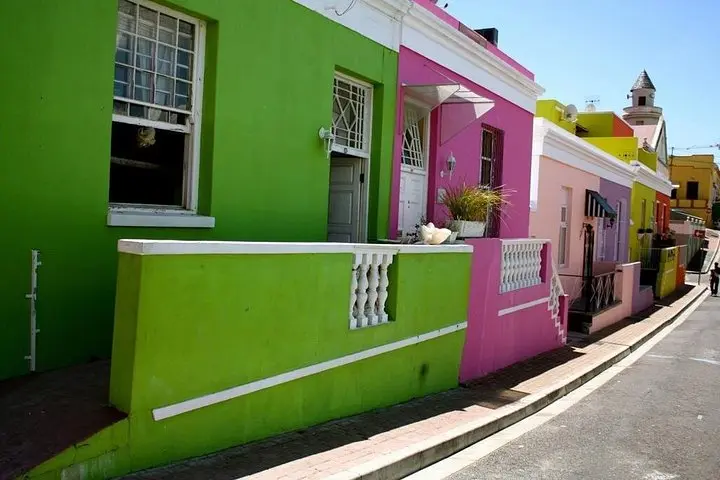
This seven-hour loop stitches together maritime history, dramatic geology and a rare wildlife encounter. The tour follows a classic route: Bo-Kaap’s painted houses, Camps Bay and Clifton’s ridgeline, the engineered sweep of Chapman's Peak Drive (9 km of cliff-hugging road), Hout Bay and a 40-minute boat ride to a seal‑colony island. From there the road continues to Cape Point and the Cape of Good Hope—the place where two major seas brush elbows and sailors for centuries recalibrated their maps.
Geologically, the peninsula is old granite and sandstone folded into steep escarpments then scoured by the cold Atlantic. The result is long coastal ridges dropping to kelp‑strewn water and pockets of fynbos—the smallest yet most diverse floral kingdom on Earth. Culturally the route traces 500 years of maritime traffic: Portuguese explorers named the cape; later lighthouses and shipwreck markers chart the patchwork of sea lanes that built Cape Town.
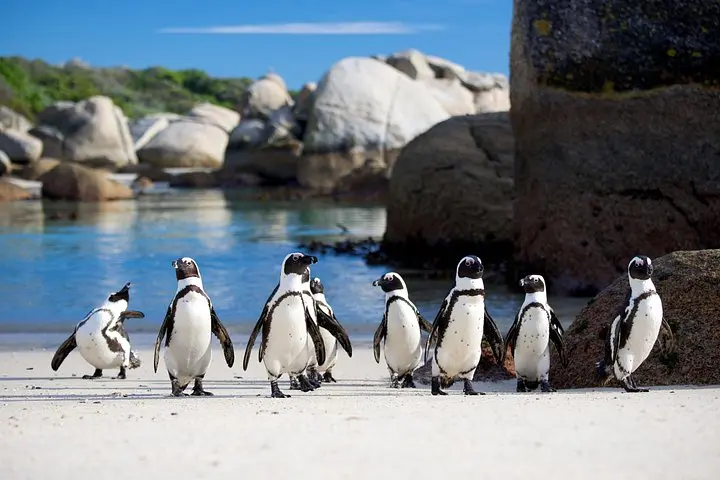
Wildlife is immediate and accessible: Boulders Beach’s boardwalks let you stand metres from African penguins without disturbing them; Hout Bay’s boats put you within range of thousands of barking Cape fur seals. Along the roadside, ostriches and chacma baboons make cameo appearances—reminders that this is a living reserve, not a stage set.
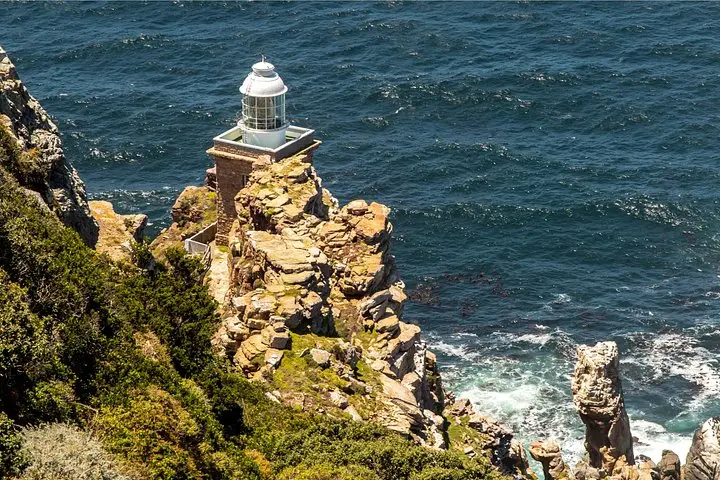
For travelers, the experience is equal parts photography and short walks. The Cape Point lighthouse walk is a steady climb—about 1–1.5 km from the car park on paved paths and stairways—or three minutes by the Flying Dutchman funicular (fee applies). Bring layers for wind and sudden sun; the climate can change from sun to squall in minutes.
Practical notes: plan for a roughly 7‑hour outing with hotel pickup and drop‑off included. Entrance fees for Table Mountain National Park (Cape Point) and the funicular are usually extra; carry some cash or card. Respect wildlife—do not feed penguins or approach seals—and secure belongings against curious baboons. The tour operates best in good weather; if seas are rough the seal-boat may be postponed.
This full‑day circuit is ideal for travelers who want maximum coastal variety in a single, well-paced day: dramatic drives, short hikes, close wildlife viewing, and easy cultural stops—an efficient, sensory way to experience the southwestern corner of Africa.
Pickups are door‑to‑door from hotels, guesthouses and many private addresses across Cape Town; confirm your exact pickup point when booking.
Basic tour inclusions list transportation and bottled water; entrance to Table Mountain National Park (Cape Point) and optional funicular fares are usually extra—carry cash or card.
Boulders Beach and Hout Bay have reliable colonies, but wildlife is wild—sightings are very likely but not absolutely guaranteed.
The main paved route from the car park to the lighthouse is a steady 1–1.5 km climb with steps; it’s moderate and manageable for most people, or take the funicular for a fee.
Yes—Boulders Beach has sheltered swimming bays, but keep distance from penguins and follow signage; water can be cold year‑round.
The experience requires good weather; if poor conditions cause cancellation you’ll be offered an alternative date or a refund per the tour’s policy.
Aim Cape Tours. operates guided outdoor trips and adventures with an emphasis on safety, stewardship, and memorable experiences.
The minivan pulls away from the city before sunrise and Cape Town’s harbor slides past—fading pastel houses and the flat-topped silhouette of Table Mountain. The road out hugs the coastline; the Atlantic wind has an edge to it that strips the city’s humidity clean and sharpens every view. By the time the group reaches Chapman's Peak, the cliffs seem to lean into the ocean, as if trying to listen to the waves below.
The minivan pulls away from the city before sunrise and Cape Town’s harbor slides past—fading pastel houses and the flat-topped silhouette of Table Mountain. The road out hugs the coastline; the Atlantic wind has an edge to it that strips the city’s humidity clean and sharpens every view. By the time the group reaches Chapman's Peak, the cliffs seem to lean into the ocean, as if trying to listen to the waves below.
This seven-hour loop stitches together maritime history, dramatic geology and a rare wildlife encounter. The tour follows a classic route: Bo-Kaap’s painted houses, Camps Bay and Clifton’s ridgeline, the engineered sweep of Chapman's Peak Drive (9 km of cliff-hugging road), Hout Bay and a 40-minute boat ride to a seal‑colony island. From there the road continues to Cape Point and the Cape of Good Hope—the place where two major seas brush elbows and sailors for centuries recalibrated their maps.
Geologically, the peninsula is old granite and sandstone folded into steep escarpments then scoured by the cold Atlantic. The result is long coastal ridges dropping to kelp‑strewn water and pockets of fynbos—the smallest yet most diverse floral kingdom on Earth. Culturally the route traces 500 years of maritime traffic: Portuguese explorers named the cape; later lighthouses and shipwreck markers chart the patchwork of sea lanes that built Cape Town.
Wildlife is immediate and accessible: Boulders Beach’s boardwalks let you stand metres from African penguins without disturbing them; Hout Bay’s boats put you within range of thousands of barking Cape fur seals. Along the roadside, ostriches and chacma baboons make cameo appearances—reminders that this is a living reserve, not a stage set.
For travelers, the experience is equal parts photography and short walks. The Cape Point lighthouse walk is a steady climb—about 1–1.5 km from the car park on paved paths and stairways—or three minutes by the Flying Dutchman funicular (fee applies). Bring layers for wind and sudden sun; the climate can change from sun to squall in minutes.
Practical notes: plan for a roughly 7‑hour outing with hotel pickup and drop‑off included. Entrance fees for Table Mountain National Park (Cape Point) and the funicular are usually extra; carry some cash or card. Respect wildlife—do not feed penguins or approach seals—and secure belongings against curious baboons. The tour operates best in good weather; if seas are rough the seal-boat may be postponed.
This full‑day circuit is ideal for travelers who want maximum coastal variety in a single, well-paced day: dramatic drives, short hikes, close wildlife viewing, and easy cultural stops—an efficient, sensory way to experience the southwestern corner of Africa.