THE ADVENTURE COLLECTIVE® · Independent discovery and booking for outdoor travel

Drive a single day from Cape Town’s sea-swept cliffs to Stellenbosch vineyards: Chapman's Peak, Cape Point lighthouse, Boulders Beach penguins and a Stellenbosch wine tasting. This private tour pairs dramatic coastal geology with wildlife and wine, plus practical tips for timing and what to pack.
Drive a single day from Cape Town’s sea-swept cliffs to Stellenbosch vineyards: Chapman's Peak, Cape Point lighthouse, Boulders Beach penguins and a Stellenbosch wine tasting. This private tour pairs dramatic coastal geology with wildlife and wine, plus practical tips for timing and what to pack.
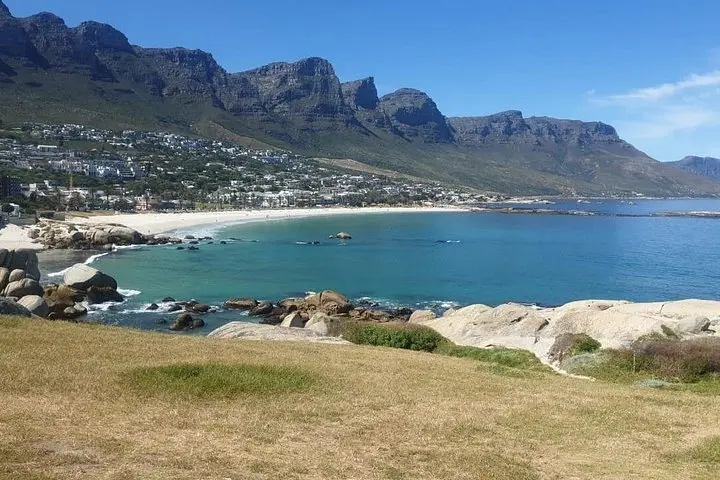
The day starts before most of the city wakes, with an air‑conditioned vehicle easing out of Cape Town and hugging the Atlantic edge. Salt sprays the windows; the Twelve Apostles mountains sit like a slow-moving wall to your right while the ocean pulls sunlight into glitter. You’ll pause at Maiden’s Cove for a first photo — waves carving loud lines against the shore — then climb into the ribbon of Chapman's Peak Drive, where 114 bends and a near-vertical face make the road feel alive, daring you to look away.
Verified experiences and guided adventures in the surrounding area.
Operated by african macaw dmc and Safaris · Cape Town, Western Cape
The day starts before most of the city wakes, with an air‑conditioned vehicle easing out of Cape Town and hugging the Atlantic edge. Salt sprays the windows; the Twelve Apostles mountains sit like a slow-moving wall to your right while the ocean pulls sunlight into glitter. You’ll pause at Maiden’s Cove for a first photo — waves carving loud lines against the shore — then climb into the ribbon of Chapman's Peak Drive, where 114 bends and a near-vertical face make the road feel alive, daring you to look away.
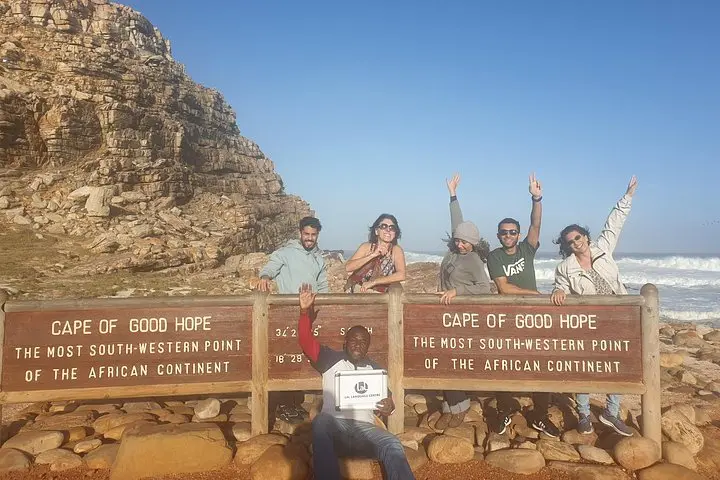
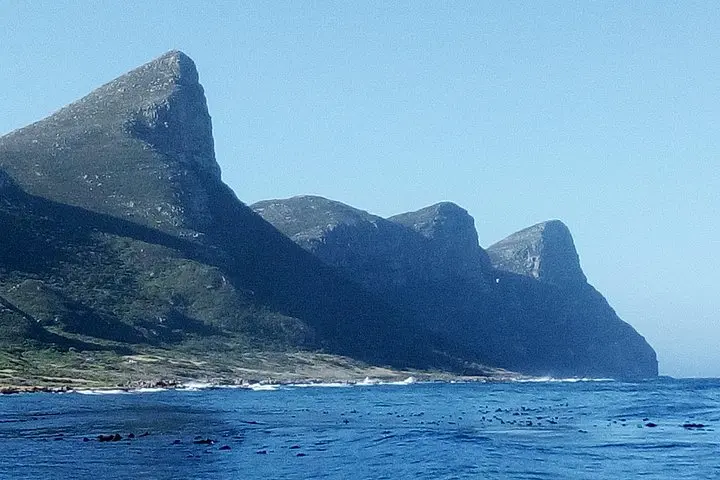
This private loop stitches together distinct chapters of the Cape peninsula: the colorful Bo‑Kaap quarter and its Cape Malay heritage, the high drama of Cape Point and its lighthouse, the comical waddling of African penguins at Boulders Beach, and a late‑day pivot inland to Stellenbosch’s oak‑lined avenues and wine estates. Geologically, the peninsula is a collision zone — hard granite and sandstone rising against an ocean pushed and pulled by the warm Agulhas and the cold Benguela currents. That clash is why ships have misread this cape for centuries and why currents here still feel like characters in a story: sometimes slow, sometimes furious.
Culturally the route crosses layers: colonial forts and religious mixes in Bo‑Kaap, fishing communities in Simon’s Town, and viticultural history in Stellenbosch where pinotage was first developed in 1925. Small, local details make the day: roadside oyster catchers, fishermen hauling lines along Baden Powell Drive, and the sight of penguins claiming granite boulders as their own.
Practicalities shape the experience. The full itinerary is about 10 hours and includes several short walks — the Cape Point lighthouse climb is under 1 km one way with roughly 80–100 m elevation gain, and Boulders Beach has flat boardwalks. Chapman's Peak sits around 593 m above sea level and includes numerous viewpoints for photos and breaks. Expect a mix of paved roads and short uneven paths; comfortable walking shoes are essential, and a light jacket is useful when the wind arrives from False Bay.
Timing is important: whale watching peaks June–November from shore; penguin colonies are best seen in the morning before boats and crowds arrive; wineries close mid‑afternoon, so plan tastings early. There are entry fees (Cape of Good Hope reserve, Chapman's Peak toll) and optional extras like the funicular at Cape Point.
For travelers seeking a single day that encapsulates the Cape — its cliffs, its currents, its coastal wildlife and cultivated vineyards — this private tour is a compact, efficient way to see it all. Bring water, sun protection, binoculars, and a readiness to step off the bus for the small hikes and the big views.
This is a private 10‑hour tour that starts with hotel or port pickup in Cape Town, typically around 8:00 a.m.
Whale watching from shore is best June–November; penguins can be seen year‑round but are often more active in the morning.
The main path to the lighthouse is under 1 km one way with about 80–100 m elevation gain — manageable for most people with moderate mobility; a funicular is available for an extra fee.
The tour price covers nature reserve and some site access, but Chapman's Peak toll, the funicular, and some premium wine tastings or big cat encounters may be extra.
Yes — the itinerary notes stroller access and family‑friendly stops, though some paths (like the lighthouse route) have steps and uneven ground.
Tipping is customary for private tours; 10–15% of the tour cost is a common guideline, and spare change for small courtesies is appreciated.
african macaw dmc and Safaris operates guided outdoor trips and adventures with an emphasis on safety, stewardship, and memorable experiences.
The day starts before most of the city wakes, with an air‑conditioned vehicle easing out of Cape Town and hugging the Atlantic edge. Salt sprays the windows; the Twelve Apostles mountains sit like a slow-moving wall to your right while the ocean pulls sunlight into glitter. You’ll pause at Maiden’s Cove for a first photo — waves carving loud lines against the shore — then climb into the ribbon of Chapman's Peak Drive, where 114 bends and a near-vertical face make the road feel alive, daring you to look away.
The day starts before most of the city wakes, with an air‑conditioned vehicle easing out of Cape Town and hugging the Atlantic edge. Salt sprays the windows; the Twelve Apostles mountains sit like a slow-moving wall to your right while the ocean pulls sunlight into glitter. You’ll pause at Maiden’s Cove for a first photo — waves carving loud lines against the shore — then climb into the ribbon of Chapman's Peak Drive, where 114 bends and a near-vertical face make the road feel alive, daring you to look away.
This private loop stitches together distinct chapters of the Cape peninsula: the colorful Bo‑Kaap quarter and its Cape Malay heritage, the high drama of Cape Point and its lighthouse, the comical waddling of African penguins at Boulders Beach, and a late‑day pivot inland to Stellenbosch’s oak‑lined avenues and wine estates. Geologically, the peninsula is a collision zone — hard granite and sandstone rising against an ocean pushed and pulled by the warm Agulhas and the cold Benguela currents. That clash is why ships have misread this cape for centuries and why currents here still feel like characters in a story: sometimes slow, sometimes furious.
Culturally the route crosses layers: colonial forts and religious mixes in Bo‑Kaap, fishing communities in Simon’s Town, and viticultural history in Stellenbosch where pinotage was first developed in 1925. Small, local details make the day: roadside oyster catchers, fishermen hauling lines along Baden Powell Drive, and the sight of penguins claiming granite boulders as their own.
Practicalities shape the experience. The full itinerary is about 10 hours and includes several short walks — the Cape Point lighthouse climb is under 1 km one way with roughly 80–100 m elevation gain, and Boulders Beach has flat boardwalks. Chapman's Peak sits around 593 m above sea level and includes numerous viewpoints for photos and breaks. Expect a mix of paved roads and short uneven paths; comfortable walking shoes are essential, and a light jacket is useful when the wind arrives from False Bay.
Timing is important: whale watching peaks June–November from shore; penguin colonies are best seen in the morning before boats and crowds arrive; wineries close mid‑afternoon, so plan tastings early. There are entry fees (Cape of Good Hope reserve, Chapman's Peak toll) and optional extras like the funicular at Cape Point.
For travelers seeking a single day that encapsulates the Cape — its cliffs, its currents, its coastal wildlife and cultivated vineyards — this private tour is a compact, efficient way to see it all. Bring water, sun protection, binoculars, and a readiness to step off the bus for the small hikes and the big views.