THE ADVENTURE COLLECTIVE® · Independent discovery and booking for outdoor travel

Ride a land-based marine safari along Cape Recife’s wild Eastern Cape coastline — year-round dolphins, seasonal whale action and world-class birding. This three-hour guided drive pairs short hikes with lighthouse and botanical stops for a readable, wildlife-rich outing.
Ride a land-based marine safari along Cape Recife’s wild Eastern Cape coastline — year-round dolphins, seasonal whale action and world-class birding. This three-hour guided drive pairs short hikes with lighthouse and botanical stops for a readable, wildlife-rich outing.
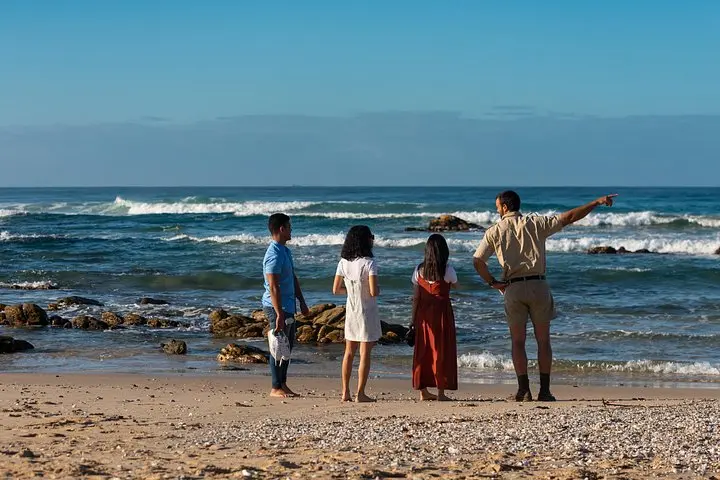
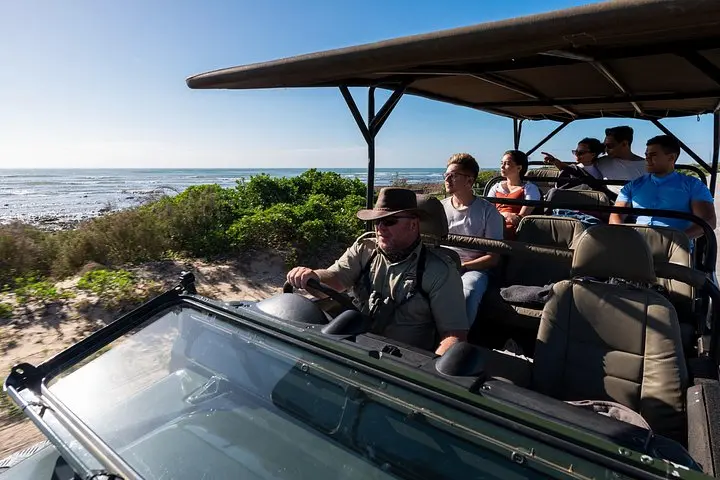
The wind cuts across the Eastern Cape coast and the ocean answers: a low, rolling voice that pushes kelp and foam toward the rocks. On a land-based Marine Eco Safari at Cape Recife you ride in an open game viewer along rugged headlands, where bottlenose dolphins slice through the swell and whales lift their backs in the distance. Seabirds wheel above the current like questions you can almost answer.
Verified experiences and guided adventures in the surrounding area.
Operated by Cape Recife · Gqeberha, Eastern Cape
The wind cuts across the Eastern Cape coast and the ocean answers: a low, rolling voice that pushes kelp and foam toward the rocks. On a land-based Marine Eco Safari at Cape Recife you ride in an open game viewer along rugged headlands, where bottlenose dolphins slice through the swell and whales lift their backs in the distance. Seabirds wheel above the current like questions you can almost answer.
Geology here is honest and exposed — wave-sculpted sandstone and rocky reefs shaped by the powerful Agulhas Current. The coast is a botanical hotspot of fynbos and dune thicket, protected within reserve boundaries. Human history is maritime: a 19th-century lighthouse keeps watch over shipping lanes, and local communities have long read the sea for fish and weather. From May to July the sardine run turns these waters into one of nature’s great spectacles; at other times, resident dolphins and seasonal whale migrations still draw steady sightings.
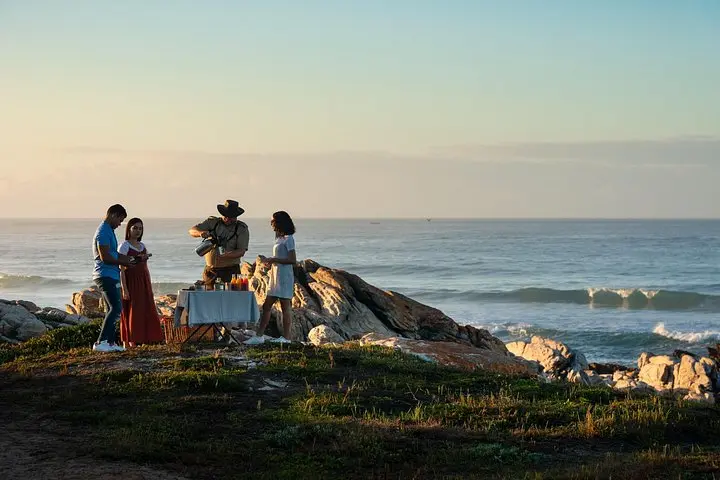
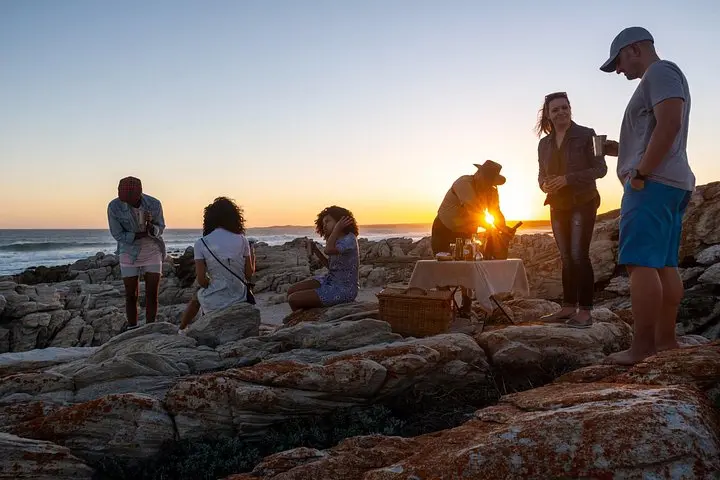
Expect a three-hour guided program of short hikes, coastal drives, birding stops, and a lighthouse visit; guides use spotting scopes and know where to look. Wear sturdy shoes and a windproof layer — the weather can switch quickly. Bring binoculars, sun protection, and a camera with zoom; stay on designated tracks and keep a respectful distance from wildlife. Transfers and light refreshments are typically included, and the reserve’s mild, malaria-free climate makes late-afternoon walks and sunset cocktails a fitting end to the day.
This is a close-to-nature outing: sensory, practical, and best enjoyed when you come prepared to watch, wait, and listen.
The outing runs approximately three hours and includes guided drives, short hikes, birding stops and a lighthouse visit.
The sardine run typically occurs between May and July; visiting then increases the chance of seeing large feeding aggregations, though sightings can vary year to year.
The tour is rated easy and suitable for most fitness levels, but it involves short walks over uneven terrain—infants must sit on an adult's lap and anyone with serious mobility concerns should check accessibility with the operator.
Year-round you can expect sightings of bottlenose dolphins and occasional whales; seabirds are abundant and pelagic species may be visible depending on sea conditions.
Cape Recife operates guided outdoor trips and adventures with an emphasis on safety, stewardship, and memorable experiences.
The wind cuts across the Eastern Cape coast and the ocean answers: a low, rolling voice that pushes kelp and foam toward the rocks. On a land-based Marine Eco Safari at Cape Recife you ride in an open game viewer along rugged headlands, where bottlenose dolphins slice through the swell and whales lift their backs in the distance. Seabirds wheel above the current like questions you can almost answer.
The wind cuts across the Eastern Cape coast and the ocean answers: a low, rolling voice that pushes kelp and foam toward the rocks. On a land-based Marine Eco Safari at Cape Recife you ride in an open game viewer along rugged headlands, where bottlenose dolphins slice through the swell and whales lift their backs in the distance. Seabirds wheel above the current like questions you can almost answer.
Geology here is honest and exposed — wave-sculpted sandstone and rocky reefs shaped by the powerful Agulhas Current. The coast is a botanical hotspot of fynbos and dune thicket, protected within reserve boundaries. Human history is maritime: a 19th-century lighthouse keeps watch over shipping lanes, and local communities have long read the sea for fish and weather. From May to July the sardine run turns these waters into one of nature’s great spectacles; at other times, resident dolphins and seasonal whale migrations still draw steady sightings.
Expect a three-hour guided program of short hikes, coastal drives, birding stops, and a lighthouse visit; guides use spotting scopes and know where to look. Wear sturdy shoes and a windproof layer — the weather can switch quickly. Bring binoculars, sun protection, and a camera with zoom; stay on designated tracks and keep a respectful distance from wildlife. Transfers and light refreshments are typically included, and the reserve’s mild, malaria-free climate makes late-afternoon walks and sunset cocktails a fitting end to the day.
This is a close-to-nature outing: sensory, practical, and best enjoyed when you come prepared to watch, wait, and listen.