THE ADVENTURE COLLECTIVE® · Independent discovery and booking for outdoor travel

This private half-day from Athens pairs the warm, mineral waters of Lake Vouliagmeni with the cliff-top drama of the Temple of Poseidon at Cape Sounio. Expect thermal springs, ancient marble, and sweeping Aegean views—ideal at sunrise or sunset.
This private half-day from Athens pairs the warm, mineral waters of Lake Vouliagmeni with the cliff-top drama of the Temple of Poseidon at Cape Sounio. Expect thermal springs, ancient marble, and sweeping Aegean views—ideal at sunrise or sunset.
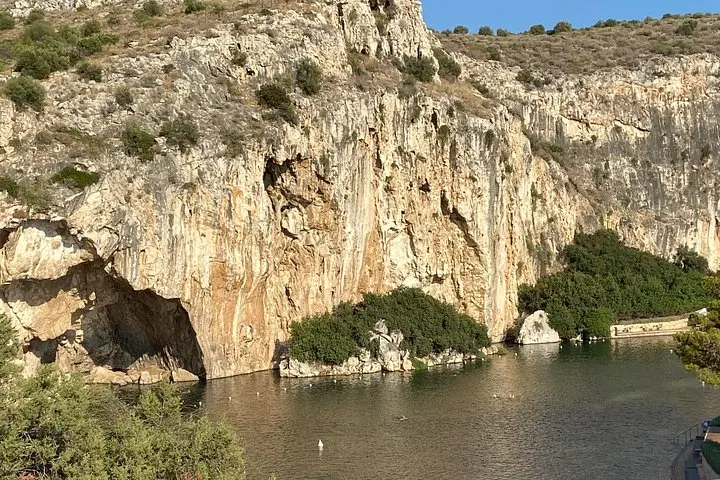
A dry wind from the Aegean sharpens the light as the private car drops away from Athens, hugging coastal roads with sea on one side and low scrub on the other. The first stop, Lake Vouliagmeni, opens like a warm pocket of brackish water—steam rising faintly in cooler months—where thermal springs meet the sea.
Verified experiences and guided adventures in the surrounding area.
Operated by TSquared_Travel · Lavrio, Attica
A dry wind from the Aegean sharpens the light as the private car drops away from Athens, hugging coastal roads with sea on one side and low scrub on the other. The first stop, Lake Vouliagmeni, opens like a warm pocket of brackish water—steam rising faintly in cooler months—where thermal springs meet the sea.
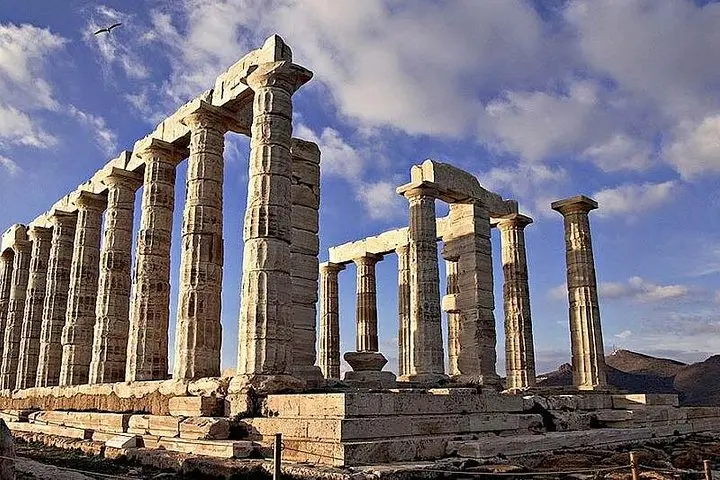
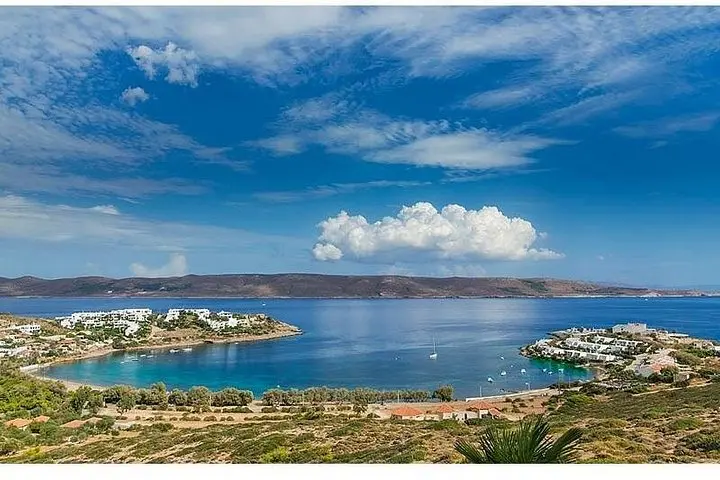
The route then runs southeast along the Athenian Riviera toward Cape Sounio, a rocky promontory where the Temple of Poseidon perches some 60 meters above open water. Built in 444–440 BC during the Periclean era and attributed to architect Ictinus, the temple’s fluted Doric columns frame panoramic views; on a clear day, up to seven islands appear on the horizon. Geologically, the cape is broken limestone and marble, with the temple’s stone quarried nearby in Agrileza, while Vouliagmeni’s basin formed when a cave roof collapsed—its underwater cave system now extending over 3,100 meters through fissured karst.
Culturally, both sites reflect Athens’ maritime past: sailors historically left offerings at Sounio to placate Poseidon; Vouliagmeni has long been prized for therapeutic waters and today is a protected Natura 2000 site supporting an endemic sea anemone.
Practical guidance: expect a comfortable, chauffeur-driven five-hour round trip from Athens with short walks, uneven stone steps at Sounio, and paved paths at the lake. Best times are early morning or sunset for light and cooler conditions. Bring sun protection, sturdy walking shoes, and a reusable water bottle; modest fees and conservation rules apply at both sites.
Admissions are typically paid on-site; the tour provides transport but not entrance fees—check with the operator ahead of time.
Swimming is allowed at the lake in designated areas depending on season and local rules; the lake is protected, so follow staff guidance.
About 68 kilometres and roughly 1–1.5 hours each way depending on traffic; the private tour schedules short visits to both sites within a 5-hour window.
Lake Vouliagmeni has paved areas and is more stroller-friendly; Sounio’s cliff and temple include steps and uneven ground—ask about transport and drop-off options when booking.
TSquared_Travel operates guided outdoor trips and adventures with an emphasis on safety, stewardship, and memorable experiences.
A dry wind from the Aegean sharpens the light as the private car drops away from Athens, hugging coastal roads with sea on one side and low scrub on the other. The first stop, Lake Vouliagmeni, opens like a warm pocket of brackish water—steam rising faintly in cooler months—where thermal springs meet the sea.
A dry wind from the Aegean sharpens the light as the private car drops away from Athens, hugging coastal roads with sea on one side and low scrub on the other. The first stop, Lake Vouliagmeni, opens like a warm pocket of brackish water—steam rising faintly in cooler months—where thermal springs meet the sea.
The route then runs southeast along the Athenian Riviera toward Cape Sounio, a rocky promontory where the Temple of Poseidon perches some 60 meters above open water. Built in 444–440 BC during the Periclean era and attributed to architect Ictinus, the temple’s fluted Doric columns frame panoramic views; on a clear day, up to seven islands appear on the horizon. Geologically, the cape is broken limestone and marble, with the temple’s stone quarried nearby in Agrileza, while Vouliagmeni’s basin formed when a cave roof collapsed—its underwater cave system now extending over 3,100 meters through fissured karst.
Culturally, both sites reflect Athens’ maritime past: sailors historically left offerings at Sounio to placate Poseidon; Vouliagmeni has long been prized for therapeutic waters and today is a protected Natura 2000 site supporting an endemic sea anemone.
Practical guidance: expect a comfortable, chauffeur-driven five-hour round trip from Athens with short walks, uneven stone steps at Sounio, and paved paths at the lake. Best times are early morning or sunset for light and cooler conditions. Bring sun protection, sturdy walking shoes, and a reusable water bottle; modest fees and conservation rules apply at both sites.