THE ADVENTURE COLLECTIVE® · Independent discovery and booking for outdoor travel

Spend six hours bank-side with a local guide targeting African catfish and carp in the freshwater vleis around Cape Town. Equipment, permits, drinks and snacks are included—book, message for the meeting point, and expect a hands-on, beginner-friendly session with a conservation-minded release policy.
Spend six hours bank-side with a local guide targeting African catfish and carp in the freshwater vleis around Cape Town. Equipment, permits, drinks and snacks are included—book, message for the meeting point, and expect a hands-on, beginner-friendly session with a conservation-minded release policy.
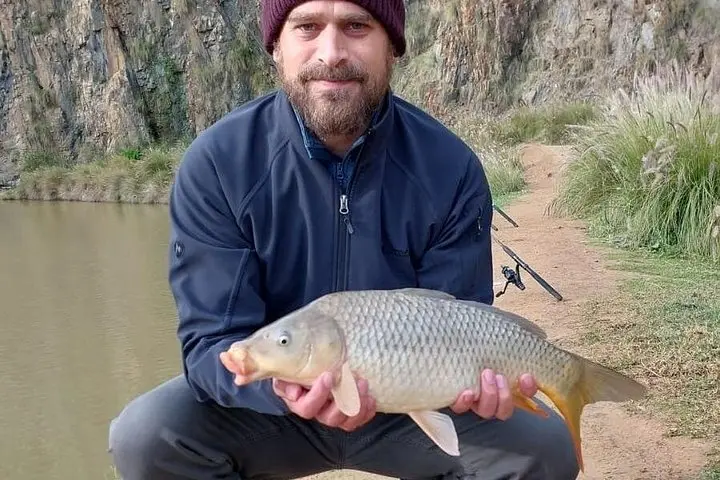
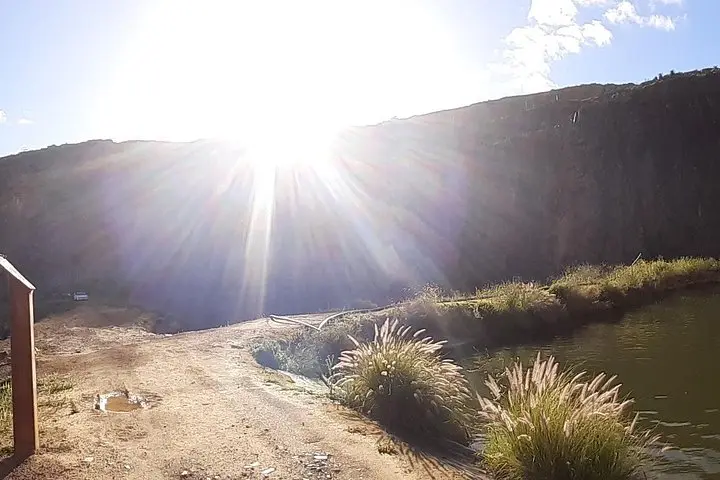
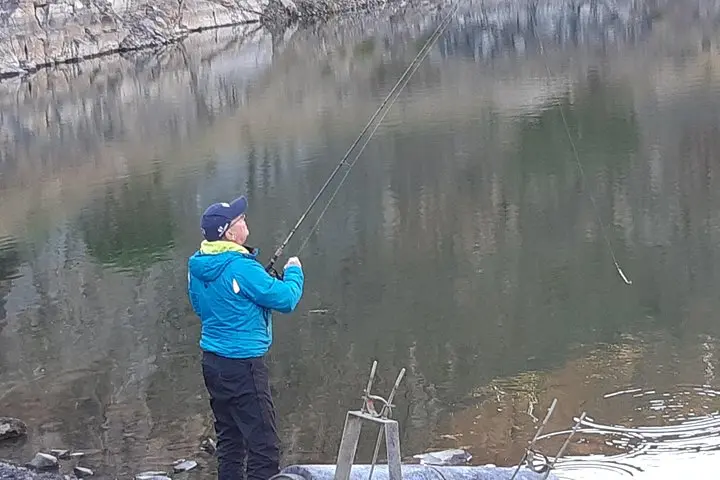
On a low, wind-sliced morning at a freshwater vlei on the edge of greater Cape Town, the guide sets up a heavy-duty gazebo and lays out Penn and Okuma reels like a small armory. The air smells faintly of wet reed and diesel from a distant road; waterlaps at the margins, daring you to reach deeper. Anglers settle into comfortable chairs, rigs baited and taut, while the guide—steady-voiced and practiced—walks through a quick South African style lesson in bank fishing. Within minutes someone’s rod bends and the quiet snaps into focus.
Verified experiences and guided adventures in the surrounding area.
Operated by Fish guaranteed or money back · Cape Town, Western Cape
On a low, wind-sliced morning at a freshwater vlei on the edge of greater Cape Town, the guide sets up a heavy-duty gazebo and lays out Penn and Okuma reels like a small armory. The air smells faintly of wet reed and diesel from a distant road; waterlaps at the margins, daring you to reach deeper. Anglers settle into comfortable chairs, rigs baited and taut, while the guide—steady-voiced and practiced—walks through a quick South African style lesson in bank fishing. Within minutes someone’s rod bends and the quiet snaps into focus.
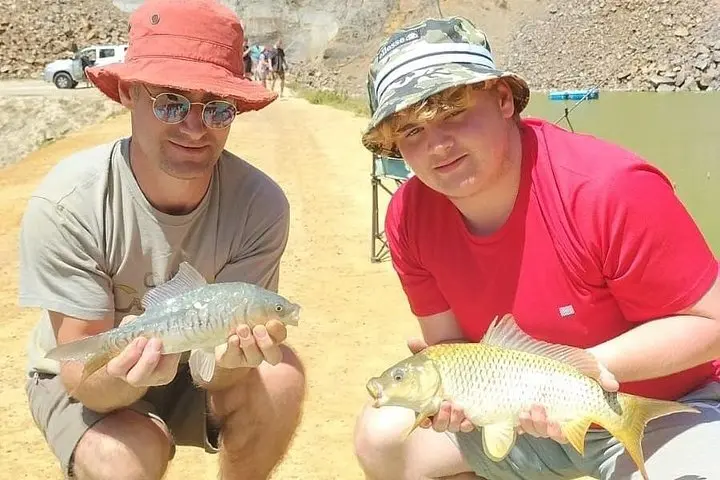
This is not ocean sportfishing: it’s a local, river-and-dam game built around two species that shape freshwater angling in the Western Cape—the hardy carp and the heavyweight African catfish. These waters sit on sediments carved from Table Mountain’s sandstone and Cape granite, now slowed into small lakes and canals that support dense reedbeds and an unexpected biodiversity. Indigenous Khoikhoi and early settlers relied on these slow waters for food and grazing; today they’re a mix of managed fisheries and urban catchments where birds, river otters and even rock hyrax make cameo appearances between casts.
The operator pitches the experience as equal parts lesson and friendly competition: first-timers are welcome, equipment and baits are supplied, and fishing permits are included. The guide favors stout rods and strong lines—catfish are power anglers that test tackle and patience—while carp respond to patient, steady presentation. Practically, trips run six hours, include tea, coffee, cold drinks and local snacks, and come with an unusual promise: a minimum of three fish caught in six hours or a refund. All fish are released at session’s end when appropriate, a nod to local conservation practices.
For planners: communicate directly with the guide after booking to confirm the specific meeting point and pickup options; public transport and port pickup are possible but local timing matters. Expect flat, sometimes muddy access; the operator provides chairs and shelter, so comfort is built in, but bring sun protection and waterproof footwear. Mornings and late afternoons offer the best light and calmer water; summer can heat quickly and autumn mornings carry a crispness that makes hand-strength fights with catfish feel that much more alive.
This is a South African fishing lesson wrapped in local hospitality—beer or soda depending on age—and a chance to connect with a lesser-seen side of Cape Town’s outdoors. Whether chasing a personal best catfish or learning to thread a baited hook for carp, anglers come away with new skills, local stories, and the quick rhythm of a shoreline that rewards patience.
No—top-quality Penn and Okuma gear, bait and fishing permits are provided, though you’re welcome to bring personal equipment.
Yes; trips are family-friendly and the operator provides suitable chairs and safety guidance for younger anglers.
The main targets are African catfish and carp; the guide will advise which to focus on based on location and conditions.
Alcoholic drinks may be offered to guests over 18; under-18s receive soda, juice or water—standard ID rules apply.
The operator offers a refund guarantee if you don’t land a minimum of three fish within a six-hour session, per booking terms.
Yes—catfish are often invasive and are generally released or handled per local conservation guidance; the guide follows best practices for fish welfare.
Fish guaranteed or money back operates guided outdoor trips and adventures with an emphasis on safety, stewardship, and memorable experiences.
On a low, wind-sliced morning at a freshwater vlei on the edge of greater Cape Town, the guide sets up a heavy-duty gazebo and lays out Penn and Okuma reels like a small armory. The air smells faintly of wet reed and diesel from a distant road; waterlaps at the margins, daring you to reach deeper. Anglers settle into comfortable chairs, rigs baited and taut, while the guide—steady-voiced and practiced—walks through a quick South African style lesson in bank fishing. Within minutes someone’s rod bends and the quiet snaps into focus.
On a low, wind-sliced morning at a freshwater vlei on the edge of greater Cape Town, the guide sets up a heavy-duty gazebo and lays out Penn and Okuma reels like a small armory. The air smells faintly of wet reed and diesel from a distant road; waterlaps at the margins, daring you to reach deeper. Anglers settle into comfortable chairs, rigs baited and taut, while the guide—steady-voiced and practiced—walks through a quick South African style lesson in bank fishing. Within minutes someone’s rod bends and the quiet snaps into focus.
This is not ocean sportfishing: it’s a local, river-and-dam game built around two species that shape freshwater angling in the Western Cape—the hardy carp and the heavyweight African catfish. These waters sit on sediments carved from Table Mountain’s sandstone and Cape granite, now slowed into small lakes and canals that support dense reedbeds and an unexpected biodiversity. Indigenous Khoikhoi and early settlers relied on these slow waters for food and grazing; today they’re a mix of managed fisheries and urban catchments where birds, river otters and even rock hyrax make cameo appearances between casts.
The operator pitches the experience as equal parts lesson and friendly competition: first-timers are welcome, equipment and baits are supplied, and fishing permits are included. The guide favors stout rods and strong lines—catfish are power anglers that test tackle and patience—while carp respond to patient, steady presentation. Practically, trips run six hours, include tea, coffee, cold drinks and local snacks, and come with an unusual promise: a minimum of three fish caught in six hours or a refund. All fish are released at session’s end when appropriate, a nod to local conservation practices.
For planners: communicate directly with the guide after booking to confirm the specific meeting point and pickup options; public transport and port pickup are possible but local timing matters. Expect flat, sometimes muddy access; the operator provides chairs and shelter, so comfort is built in, but bring sun protection and waterproof footwear. Mornings and late afternoons offer the best light and calmer water; summer can heat quickly and autumn mornings carry a crispness that makes hand-strength fights with catfish feel that much more alive.
This is a South African fishing lesson wrapped in local hospitality—beer or soda depending on age—and a chance to connect with a lesser-seen side of Cape Town’s outdoors. Whether chasing a personal best catfish or learning to thread a baited hook for carp, anglers come away with new skills, local stories, and the quick rhythm of a shoreline that rewards patience.