THE ADVENTURE COLLECTIVE® · Independent discovery and booking for outdoor travel

See Cape Town’s defining elements in one customizable drive: Table Mountain’s flat crown, the kaleidoscope of Bo‑Kaap, sea-slick beaches at Clifton and Camps Bay, and Signal Hill paragliders. This private city tour is a practical, photo-ready primer on the city’s landscapes and culture.
See Cape Town’s defining elements in one customizable drive: Table Mountain’s flat crown, the kaleidoscope of Bo‑Kaap, sea-slick beaches at Clifton and Camps Bay, and Signal Hill paragliders. This private city tour is a practical, photo-ready primer on the city’s landscapes and culture.
The van eases through Cape Town’s morning light and the city opens like a city of edges — a flat-topped mountain rising from a grid of streets, an ocean that keeps stealing the view. On this private Cape Town City Tour, travelers move from downtown’s colonial facades into the bright geometry of Bo-Kaap, past the palm-lined strip of Sea Point and the white-sand teeth of Clifton and Camps Bay, before Signal Hill and the cable car lift them onto Table Mountain’s rim.
Verified experiences and guided adventures in the surrounding area.
Operated by Cape Falls Tours · Cape Town, Western Cape
The van eases through Cape Town’s morning light and the city opens like a city of edges — a flat-topped mountain rising from a grid of streets, an ocean that keeps stealing the view. On this private Cape Town City Tour, travelers move from downtown’s colonial facades into the bright geometry of Bo-Kaap, past the palm-lined strip of Sea Point and the white-sand teeth of Clifton and Camps Bay, before Signal Hill and the cable car lift them onto Table Mountain’s rim.
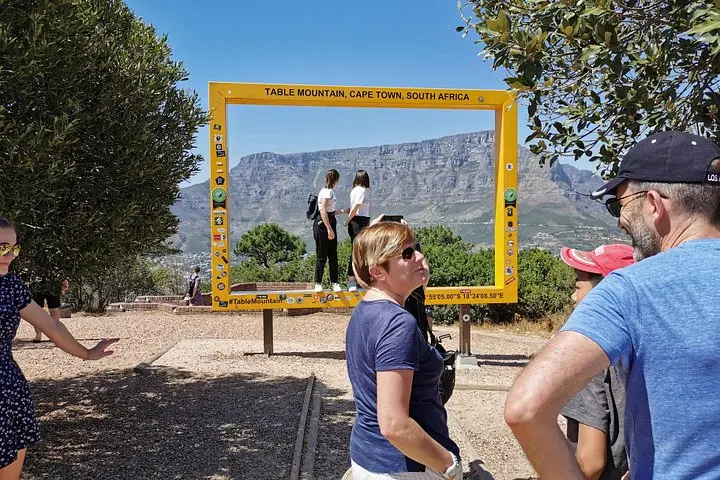
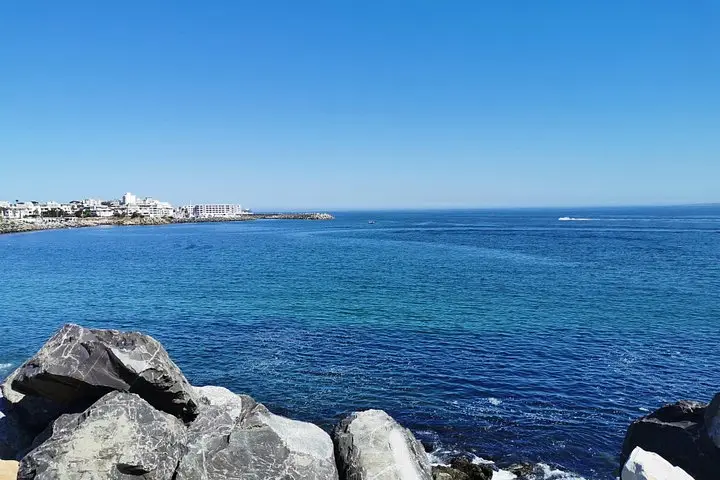
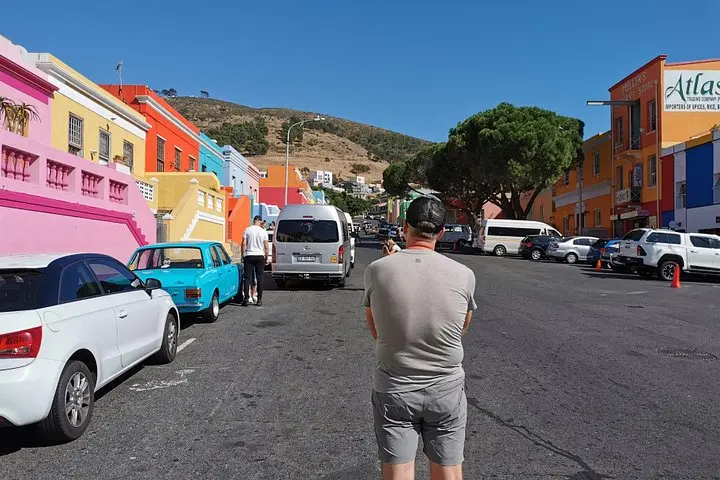
Table Mountain is more than a postcard: a 260-million-year-old slab of sandstone and shale capped with weathered quartzite that defines the city’s skyline. Bo-Kaap carries a different weight — a neighborhood shaped by Cape Malay culture, its gabled houses painted in concentrated colors after generations of struggle and celebration. Along the Atlantic seaboard, Clifton’s wind-swept beaches and the serrated cliffs of Camps Bay tell a story of wave-cut terraces and summer crowds drawn to clear water and fine sand.
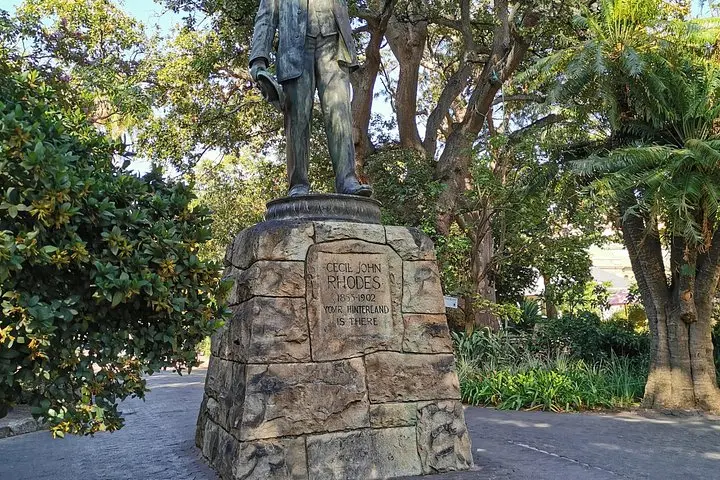
The itinerary condenses that geography into a flexible 1–4 hour loop, with time to take the Table Mountain cable car for an aerial reading of the metropolis and to watch paragliders loft from Signal Hill toward Sea Point. Historically, the Cape was a crossroads — indigenous Khoi and San peoples, Dutch and British colonists, enslaved and free communities from Asia and Africa — and those threads are visible in architecture, food, and the rhythms of neighborhoods.
Practical detail matters on a day like this: the cable car ride rises quickly and the wind often decides whether you stay upstairs. Traffic between attractions can swell in summer; good guides time stops to avoid bottlenecks and suggest optimal photo windows. The tour includes bottled water and an air-conditioned vehicle; pickup is available from most Cape Town hotels or the Port Terminal for cruise travelers.
For planning: wear sturdy walking shoes for cobbled streets and Table Mountain’s boardwalks, bring layers — the ocean moderates the city while the summit can be chilly — and carry sun protection. If you want to extend, ask the guide about detours to Boulders Beach to see African penguins or to Kalk Bay for a fish-and-chips lunch.
This tour works as a primer: it gives a landscape orientation, a taste of local culture, and enough latitude to customize a deeper dive into history, nature, or food. Whether you have a single afternoon or a full day, the route leaves you with a sharper sense of why Cape Town’s geography and human story feel so tightly interlinked.
The tour is flexible—booked for 1–4 hours; guides tailor stops depending on your interests and the time available.
Cable car admission is not included; the itinerary offers time to ride it but passengers pay at the station.
Yes—pickup from the Port Terminal is available; confirm your pickup point when booking.
The vehicle and many public areas are accessible, but Table Mountain summit and some beach access points have limited wheelchair access—check specifics with the operator.
Yes—this is a private tour that can be customized for photography, food, or additional attractions like Boulders Beach or Kalk Bay for an extra charge.
Cape Town is pleasant year-round: summer offers beach weather (Dec–Feb), while spring and autumn are mild and less crowded; winter can be windy and wet, affecting cable car operations.
Cape Falls Tours operates guided outdoor trips and adventures with an emphasis on safety, stewardship, and memorable experiences.
The van eases through Cape Town’s morning light and the city opens like a city of edges — a flat-topped mountain rising from a grid of streets, an ocean that keeps stealing the view. On this private Cape Town City Tour, travelers move from downtown’s colonial facades into the bright geometry of Bo-Kaap, past the palm-lined strip of Sea Point and the white-sand teeth of Clifton and Camps Bay, before Signal Hill and the cable car lift them onto Table Mountain’s rim.
The van eases through Cape Town’s morning light and the city opens like a city of edges — a flat-topped mountain rising from a grid of streets, an ocean that keeps stealing the view. On this private Cape Town City Tour, travelers move from downtown’s colonial facades into the bright geometry of Bo-Kaap, past the palm-lined strip of Sea Point and the white-sand teeth of Clifton and Camps Bay, before Signal Hill and the cable car lift them onto Table Mountain’s rim.
Table Mountain is more than a postcard: a 260-million-year-old slab of sandstone and shale capped with weathered quartzite that defines the city’s skyline. Bo-Kaap carries a different weight — a neighborhood shaped by Cape Malay culture, its gabled houses painted in concentrated colors after generations of struggle and celebration. Along the Atlantic seaboard, Clifton’s wind-swept beaches and the serrated cliffs of Camps Bay tell a story of wave-cut terraces and summer crowds drawn to clear water and fine sand.
The itinerary condenses that geography into a flexible 1–4 hour loop, with time to take the Table Mountain cable car for an aerial reading of the metropolis and to watch paragliders loft from Signal Hill toward Sea Point. Historically, the Cape was a crossroads — indigenous Khoi and San peoples, Dutch and British colonists, enslaved and free communities from Asia and Africa — and those threads are visible in architecture, food, and the rhythms of neighborhoods.
Practical detail matters on a day like this: the cable car ride rises quickly and the wind often decides whether you stay upstairs. Traffic between attractions can swell in summer; good guides time stops to avoid bottlenecks and suggest optimal photo windows. The tour includes bottled water and an air-conditioned vehicle; pickup is available from most Cape Town hotels or the Port Terminal for cruise travelers.
For planning: wear sturdy walking shoes for cobbled streets and Table Mountain’s boardwalks, bring layers — the ocean moderates the city while the summit can be chilly — and carry sun protection. If you want to extend, ask the guide about detours to Boulders Beach to see African penguins or to Kalk Bay for a fish-and-chips lunch.
This tour works as a primer: it gives a landscape orientation, a taste of local culture, and enough latitude to customize a deeper dive into history, nature, or food. Whether you have a single afternoon or a full day, the route leaves you with a sharper sense of why Cape Town’s geography and human story feel so tightly interlinked.