THE ADVENTURE COLLECTIVE® · Independent discovery and booking for outdoor travel

Three full days from Cape Town take you from open‑air 4x4 safari drives at Aquila to the cliffed drama of Cape Point and the cool, deliberate taste-testing of Constantia and Franschhoek. Expect long days, expert guides, and a blend of wildlife, coastline, and wine that captures the Western Cape in miniature.
Three full days from Cape Town take you from open‑air 4x4 safari drives at Aquila to the cliffed drama of Cape Point and the cool, deliberate taste-testing of Constantia and Franschhoek. Expect long days, expert guides, and a blend of wildlife, coastline, and wine that captures the Western Cape in miniature.
Daybreak on Table Bay is different from the rest of the world: a cold wind from the ocean strips the city of sleep and the Twelve Apostles throw their first razor-edged shadows across the suburbs. You meet your guide before dawn and climb aboard a coach that will take you out of the urban hum and into a three-part portrait of the Western Cape—wild veld, windswept peninsula, and ribboned vineyards.
Verified experiences and guided adventures in the surrounding area.
Operated by Matadi Africa And Travel Tours · Cape Town, Western Cape
Daybreak on Table Bay is different from the rest of the world: a cold wind from the ocean strips the city of sleep and the Twelve Apostles throw their first razor-edged shadows across the suburbs. You meet your guide before dawn and climb aboard a coach that will take you out of the urban hum and into a three-part portrait of the Western Cape—wild veld, windswept peninsula, and ribboned vineyards.
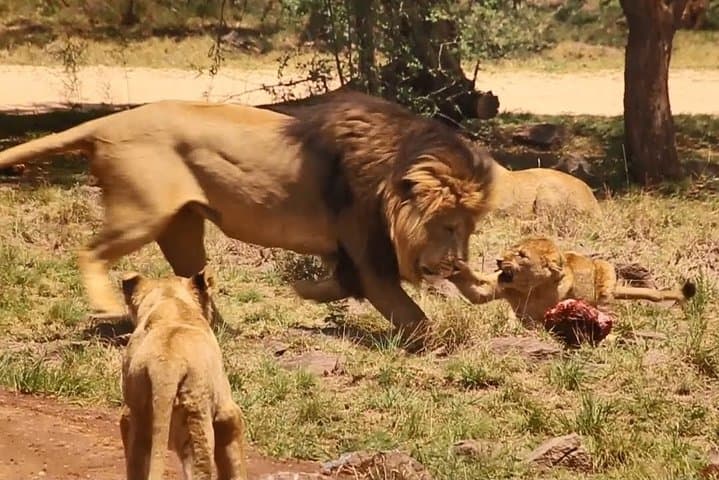
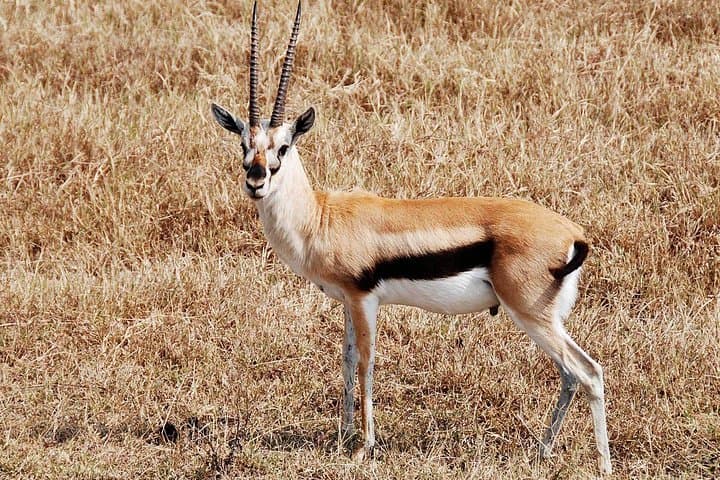
The first day unfolds at Aquila Private Game Reserve, two to three hours from Cape Town. The scrub of the Klein Karoo gives the game reserve a semi‑desert edge; it’s a landscape that prefers patience over spectacle. Open-air 4x4s push you slowly along sandy tracks and the reserve’s guides, practiced at reading spoor, will pause until a line of impala parts to reveal giraffe necks or a distant shoulder of a lion. There’s a two-hour drive, a visit to a lion preservation project and—weather and ranger permitting—a walk with giraffes that makes human and beast measure each other’s curiosity.
On day two the road follows ocean: Chapman’s Peak cuts into the sea with hairpin grace, Hout Bay offers its fishing rhythm, and Cape Point delivers cliffed panoramas where Atlantic and Indian currents argue below the lighthouse. The peninsula’s geology—Cape Supergroup sandstone folded and faulted—creates the steep faces that make these drives cinematic. History sits close at hand: Simon’s Town’s naval past and the Huguenot legacy of the winelands are chapters you pass in conversation and signboards.
The final day trades wildlife for terroir. Constantia, Stellenbosch and Franschhoek are vineyards laid over older histories of Dutch and French settlers, of Khoi pastoralists and later agricultural pioneers. Cellar tours and tastings here teach you how maritime breezes and granite soils coax the region’s cool-climate Sauvignon Blancs and age-worthy Pinots.
Practical edge: each day is full—expect 8–10 hour days including time in vehicles. The reserve is in a malaria-free zone, so wildlife viewing is low risk medically but high-stakes in terms of etiquette: keep distance, follow ranger instructions, and never feed animals. Bring layers for early departures and coastal winds; the sun is sharp even in winter. Hydrate during drives and carry a compact daypack for binoculars, a camera, and a rain shell. If you plan to purchase wine, arrange checked luggage on your return or buy ship-to-door options from estates.
This three-day loop stitches together two different Cape moods—wild interior and cultivated valley—so leave room in your itinerary for an extra hour in a vineyard or a sunset detour along Chapman’s Peak. Those are the small decisions that turn a busy tour into a trip you remember.
Yes—the Aquila Private Game Reserve is in the Western Cape, which is a malaria-free region.
A buffet lunch, welcome drinks, and afternoon tea are included as listed; check dietary needs at booking.
Giraffe walks are offered at ranger discretion and depend on animal temperament and reserve scheduling—notify the operator if it’s a priority.
The tour notes state wheelchair accessibility for some transfers and facilities; contact the operator with specific mobility requirements before booking.
Yes—wine estates visited typically offer purchases and some provide shipping or courier options for international travelers.
This tour is sold as all-sales-final; confirm dates and traveler details carefully before booking.
Matadi Africa And Travel Tours operates guided outdoor trips and adventures with an emphasis on safety, stewardship, and memorable experiences.


Daybreak on Table Bay is different from the rest of the world: a cold wind from the ocean strips the city of sleep and the Twelve Apostles throw their first razor-edged shadows across the suburbs. You meet your guide before dawn and climb aboard a coach that will take you out of the urban hum and into a three-part portrait of the Western Cape—wild veld, windswept peninsula, and ribboned vineyards.
Daybreak on Table Bay is different from the rest of the world: a cold wind from the ocean strips the city of sleep and the Twelve Apostles throw their first razor-edged shadows across the suburbs. You meet your guide before dawn and climb aboard a coach that will take you out of the urban hum and into a three-part portrait of the Western Cape—wild veld, windswept peninsula, and ribboned vineyards.
The first day unfolds at Aquila Private Game Reserve, two to three hours from Cape Town. The scrub of the Klein Karoo gives the game reserve a semi‑desert edge; it’s a landscape that prefers patience over spectacle. Open-air 4x4s push you slowly along sandy tracks and the reserve’s guides, practiced at reading spoor, will pause until a line of impala parts to reveal giraffe necks or a distant shoulder of a lion. There’s a two-hour drive, a visit to a lion preservation project and—weather and ranger permitting—a walk with giraffes that makes human and beast measure each other’s curiosity.
On day two the road follows ocean: Chapman’s Peak cuts into the sea with hairpin grace, Hout Bay offers its fishing rhythm, and Cape Point delivers cliffed panoramas where Atlantic and Indian currents argue below the lighthouse. The peninsula’s geology—Cape Supergroup sandstone folded and faulted—creates the steep faces that make these drives cinematic. History sits close at hand: Simon’s Town’s naval past and the Huguenot legacy of the winelands are chapters you pass in conversation and signboards.
The final day trades wildlife for terroir. Constantia, Stellenbosch and Franschhoek are vineyards laid over older histories of Dutch and French settlers, of Khoi pastoralists and later agricultural pioneers. Cellar tours and tastings here teach you how maritime breezes and granite soils coax the region’s cool-climate Sauvignon Blancs and age-worthy Pinots.
Practical edge: each day is full—expect 8–10 hour days including time in vehicles. The reserve is in a malaria-free zone, so wildlife viewing is low risk medically but high-stakes in terms of etiquette: keep distance, follow ranger instructions, and never feed animals. Bring layers for early departures and coastal winds; the sun is sharp even in winter. Hydrate during drives and carry a compact daypack for binoculars, a camera, and a rain shell. If you plan to purchase wine, arrange checked luggage on your return or buy ship-to-door options from estates.
This three-day loop stitches together two different Cape moods—wild interior and cultivated valley—so leave room in your itinerary for an extra hour in a vineyard or a sunset detour along Chapman’s Peak. Those are the small decisions that turn a busy tour into a trip you remember.