THE ADVENTURE COLLECTIVE® · Independent discovery and booking for outdoor travel

Spend a day moving between Cape Town’s living townships and Robben Island’s stark prison landscape. This guided experience combines local storytelling, museum time, and a ferry crossing to deliver a compact, powerful history lesson.
Spend a day moving between Cape Town’s living townships and Robben Island’s stark prison landscape. This guided experience combines local storytelling, museum time, and a ferry crossing to deliver a compact, powerful history lesson.
You step off the ferry into a wind that pushes you toward a low white prison wall and a story the sea refuses to hide.
Verified experiences and guided adventures in the surrounding area.
Operated by Just Safaris · Cape Town, Western Cape
You step off the ferry into a wind that pushes you toward a low white prison wall and a story the sea refuses to hide.
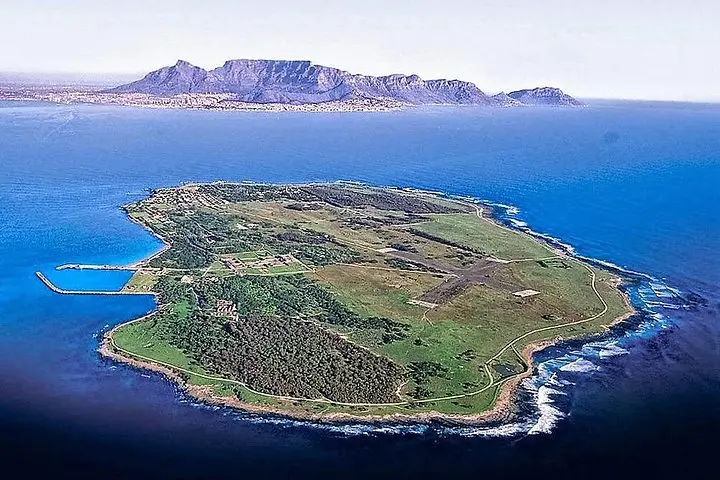
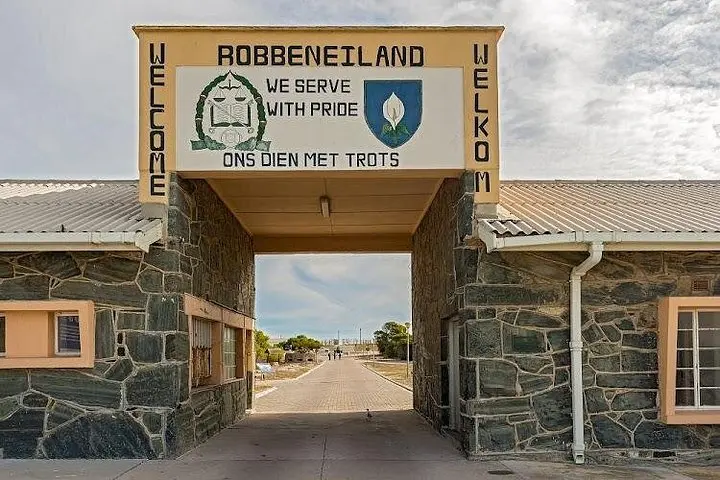
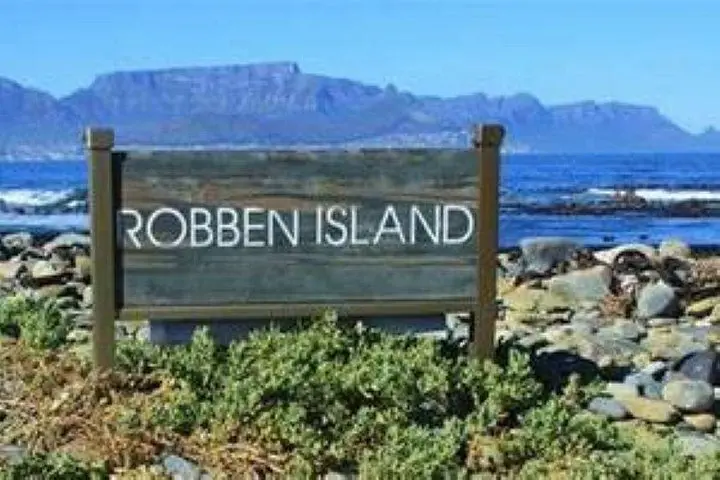
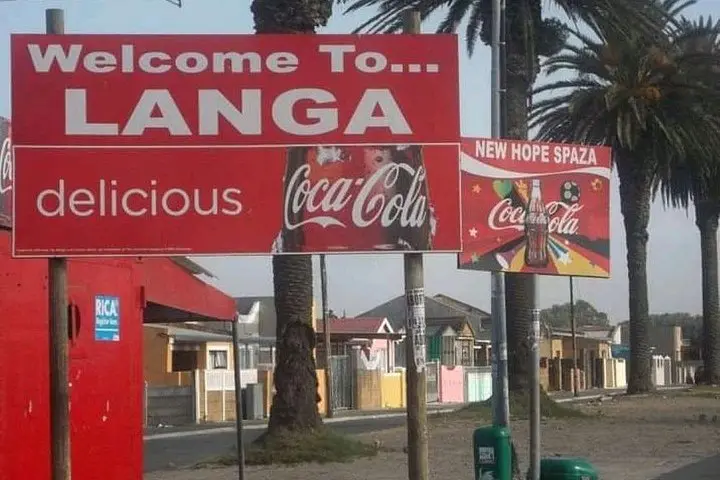
This full-day loop begins at the V&A Waterfront, moves through District Six and the living, breathing lanes of Langa, then crosses Table Bay to Robben Island where Nelson Mandela and other political prisoners were held. The route threads built history—Victorian port warehouses, 20th-century segregation maps, graffiti-strewn community courts—into oral histories told by local guides who grew up in the neighborhoods they describe.
Geology here is simple and visible: Cape granite and Table Mountain sandstone carve the skyline, while the island’s limestone quarry left scars that became labor sites during apartheid. Culturally, the tour places you inside Xhosa and Cape Town urban life—song, craft, and food markets alongside museums that catalogue forced removals and resistance.
Expect a paced day: a short museum stop at District Six, a guided walk through Langa’s streets and community hubs, lunch at the Waterfront, and a 40–60 minute ferry crossing followed by a bus tour of Robben Island with an ex-prisoner or former resident as guide.
Practical guidance: bring sun protection and secure ID (passport required for the ferry), wear comfortable shoes for cobbled lanes and the quarry paths, and allow at least eight hours including transit and queues. Photography is respectful but often restricted in sensitive spaces; listen to your guide. By day’s end you’ll have a clearer sense of Cape Town’s political geography and the layered resilience of its communities.
Yes—this full-day itinerary includes guaranteed Robben Island tickets and the official ferry transfer from the V&A Waterfront.
Expect short guided walks in Langa and on Robben Island with flat to uneven surfaces; there is also seated travel between stops.
Robben Island tours commonly include commentary by former political prisoners or guides who trained with them to share first-hand accounts.
Children are welcome, but the day is long (about 8 hours) and includes historical material that may be intense for very young kids.
Just Safaris operates guided outdoor trips and adventures with an emphasis on safety, stewardship, and memorable experiences.
You step off the ferry into a wind that pushes you toward a low white prison wall and a story the sea refuses to hide.
You step off the ferry into a wind that pushes you toward a low white prison wall and a story the sea refuses to hide.
This full-day loop begins at the V&A Waterfront, moves through District Six and the living, breathing lanes of Langa, then crosses Table Bay to Robben Island where Nelson Mandela and other political prisoners were held. The route threads built history—Victorian port warehouses, 20th-century segregation maps, graffiti-strewn community courts—into oral histories told by local guides who grew up in the neighborhoods they describe.
Geology here is simple and visible: Cape granite and Table Mountain sandstone carve the skyline, while the island’s limestone quarry left scars that became labor sites during apartheid. Culturally, the tour places you inside Xhosa and Cape Town urban life—song, craft, and food markets alongside museums that catalogue forced removals and resistance.
Expect a paced day: a short museum stop at District Six, a guided walk through Langa’s streets and community hubs, lunch at the Waterfront, and a 40–60 minute ferry crossing followed by a bus tour of Robben Island with an ex-prisoner or former resident as guide.
Practical guidance: bring sun protection and secure ID (passport required for the ferry), wear comfortable shoes for cobbled lanes and the quarry paths, and allow at least eight hours including transit and queues. Photography is respectful but often restricted in sensitive spaces; listen to your guide. By day’s end you’ll have a clearer sense of Cape Town’s political geography and the layered resilience of its communities.