THE ADVENTURE COLLECTIVE® · Independent discovery and booking for outdoor travel

Combine a ferry crossing to Robben Island and a bus tour of the Cape Peninsula in one full day. Walk through Mandela’s cell, drive Chapman's Peak, and watch African penguins at Boulders Beach on this practical, history-rich tour.
Combine a ferry crossing to Robben Island and a bus tour of the Cape Peninsula in one full day. Walk through Mandela’s cell, drive Chapman's Peak, and watch African penguins at Boulders Beach on this practical, history-rich tour.
The day begins at the busy pulse of Cape Town’s V&A Waterfront, where ferries cut a silver line across Table Bay and the air tastes of salt and diesel. You board the Nelson Mandela Gateway ferry and the city’s flat-topped guardian, Table Mountain, recedes as the coastline tightens into cliffs and scrub. The crossing is a short, clear seam between past and present: Robben Island’s low silhouette sits like a concrete punctuation in the blue, and once ashore a bus waits to take you through a landscape that reads like South Africa’s modern history.
Verified experiences and guided adventures in the surrounding area.
Operated by Matadi Africa And Travel Tours · Cape Town, Western Cape
The day begins at the busy pulse of Cape Town’s V&A Waterfront, where ferries cut a silver line across Table Bay and the air tastes of salt and diesel. You board the Nelson Mandela Gateway ferry and the city’s flat-topped guardian, Table Mountain, recedes as the coastline tightens into cliffs and scrub. The crossing is a short, clear seam between past and present: Robben Island’s low silhouette sits like a concrete punctuation in the blue, and once ashore a bus waits to take you through a landscape that reads like South Africa’s modern history.
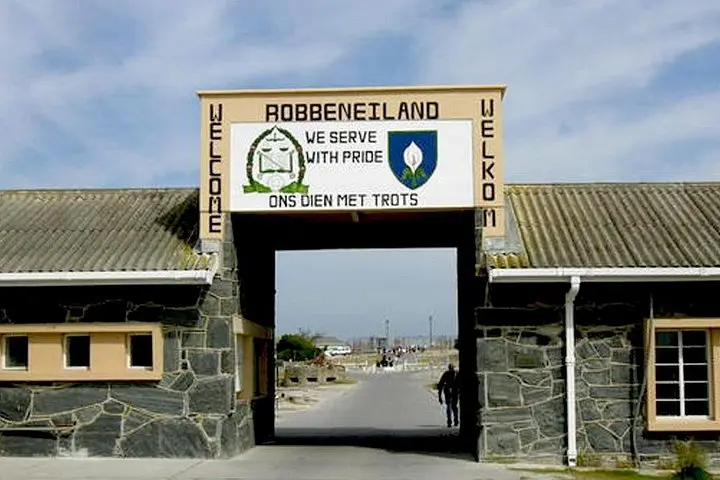
Robben Island is geology and politics in one. Its wind-polished limestone and grit have been quarried, mined and used to cut stone for Cape Town’s early buildings — and its isolation made it a prison site through the colonial and apartheid eras. Guided by a former political prisoner, the tour moves with quiet authority past cells and communal yards. Standing in Nelson Mandela’s cell, where he served 18 of his 27 years, the place stops you: sparse concrete, a single bunk, and the echo of legal and human endurance.
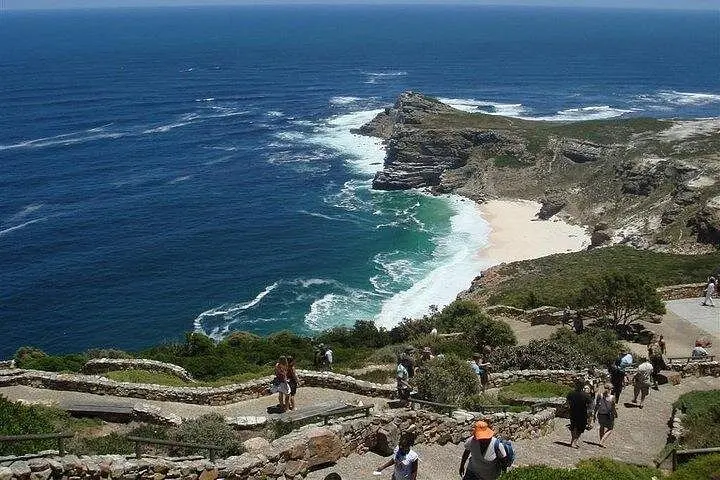
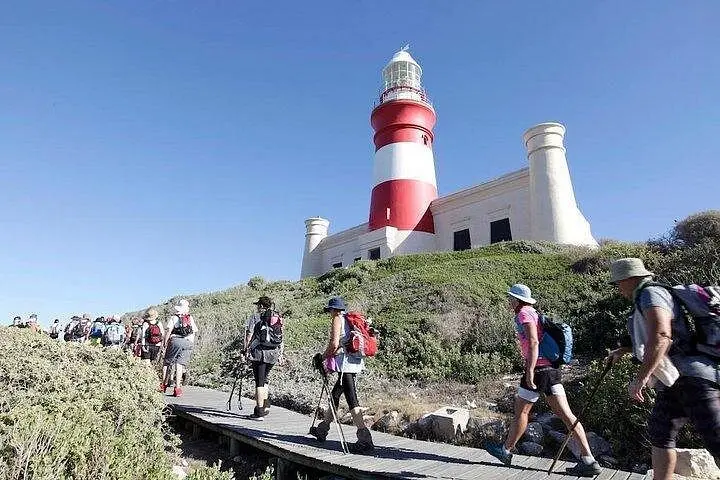
The second act of the day reverses the island’s solitude for the theatrical sweep of the Cape Peninsula. Your route threads through Camps Bay and along Chapman's Peak Drive — 9 km of carved cliff and 114 twists that throw the ocean into view at every bend. Geologically, you’ll see Cape granite give way to Table Mountain sandstone, each layer telling chapters of ancient seas and uplift. At Cape Point the cliffs soar to roughly 238 meters above sea level; gulls and thermals wheel while the lighthouse watches the confluence of cold Atlantic and warmer Indian Ocean currents below.
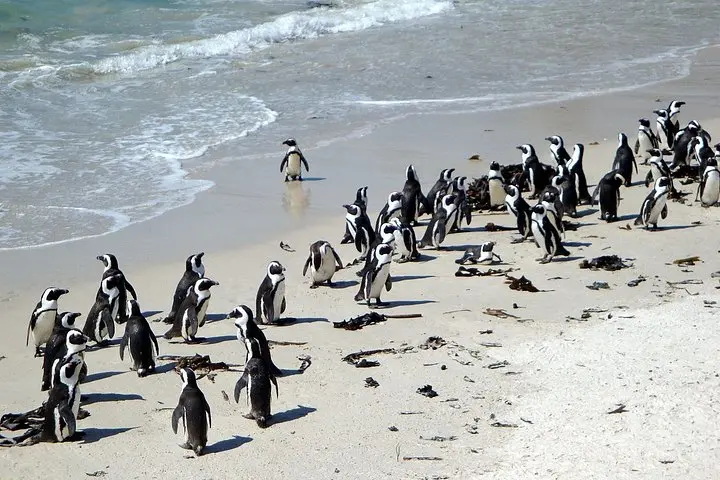
A low, comical counterpoint arrives at Boulders Beach: a colony of African (jackass) penguins waddling among granite boulders, unbothered by visitors. Between wildlife stops, the tour passes Kirstenbosch’s botanical display and historic towns like Simon’s Town — a mix of naval relics, fishing harbors, and Cape Dutch facades.
Practicalities matter. Robben Island ferry seats are limited; book the Gateway slot well ahead and arrive at the waterfront with passports and a waterproof jacket. Seas can be choppy and weather shifts rapidly — layers, a windproof outer shell, and anti-nausea meds are smart. The full itinerary runs roughly 8–9 hours with moderate walking at sites; expect guided narration, short walks, and multiple photo stops.
This private combination is a compact primer on South Africa’s contradictions: raw coastal geology, a page of hard-won freedom, and the playful resilience of an endemic penguin colony. Come prepared for wind, sun, and history that still speaks loud from rock and cell alike.
Yes—Robben Island ferry embarkation requires official ID; bring your passport or national ID and the booking confirmation.
Yes—family-friendly but keep children supervised at penguin viewing and cliffs; operators provide infant seats if requested.
Swimming is allowed but not recommended near nesting penguins—observe laws and keep a respectful distance.
Crossing from the V&A Waterfront typically takes around 30 minutes each way, weather permitting.
Meals aren’t typically included—there are food options at the V&A Waterfront and picnic spots; bring snacks and water for the day.
Robben Island trips can be cancelled due to weather; confirm operator policies when booking—most advise alternative dates or refunds per their terms.
Matadi Africa And Travel Tours operates guided outdoor trips and adventures with an emphasis on safety, stewardship, and memorable experiences.
The day begins at the busy pulse of Cape Town’s V&A Waterfront, where ferries cut a silver line across Table Bay and the air tastes of salt and diesel. You board the Nelson Mandela Gateway ferry and the city’s flat-topped guardian, Table Mountain, recedes as the coastline tightens into cliffs and scrub. The crossing is a short, clear seam between past and present: Robben Island’s low silhouette sits like a concrete punctuation in the blue, and once ashore a bus waits to take you through a landscape that reads like South Africa’s modern history.
The day begins at the busy pulse of Cape Town’s V&A Waterfront, where ferries cut a silver line across Table Bay and the air tastes of salt and diesel. You board the Nelson Mandela Gateway ferry and the city’s flat-topped guardian, Table Mountain, recedes as the coastline tightens into cliffs and scrub. The crossing is a short, clear seam between past and present: Robben Island’s low silhouette sits like a concrete punctuation in the blue, and once ashore a bus waits to take you through a landscape that reads like South Africa’s modern history.
Robben Island is geology and politics in one. Its wind-polished limestone and grit have been quarried, mined and used to cut stone for Cape Town’s early buildings — and its isolation made it a prison site through the colonial and apartheid eras. Guided by a former political prisoner, the tour moves with quiet authority past cells and communal yards. Standing in Nelson Mandela’s cell, where he served 18 of his 27 years, the place stops you: sparse concrete, a single bunk, and the echo of legal and human endurance.
The second act of the day reverses the island’s solitude for the theatrical sweep of the Cape Peninsula. Your route threads through Camps Bay and along Chapman's Peak Drive — 9 km of carved cliff and 114 twists that throw the ocean into view at every bend. Geologically, you’ll see Cape granite give way to Table Mountain sandstone, each layer telling chapters of ancient seas and uplift. At Cape Point the cliffs soar to roughly 238 meters above sea level; gulls and thermals wheel while the lighthouse watches the confluence of cold Atlantic and warmer Indian Ocean currents below.
A low, comical counterpoint arrives at Boulders Beach: a colony of African (jackass) penguins waddling among granite boulders, unbothered by visitors. Between wildlife stops, the tour passes Kirstenbosch’s botanical display and historic towns like Simon’s Town — a mix of naval relics, fishing harbors, and Cape Dutch facades.
Practicalities matter. Robben Island ferry seats are limited; book the Gateway slot well ahead and arrive at the waterfront with passports and a waterproof jacket. Seas can be choppy and weather shifts rapidly — layers, a windproof outer shell, and anti-nausea meds are smart. The full itinerary runs roughly 8–9 hours with moderate walking at sites; expect guided narration, short walks, and multiple photo stops.
This private combination is a compact primer on South Africa’s contradictions: raw coastal geology, a page of hard-won freedom, and the playful resilience of an endemic penguin colony. Come prepared for wind, sun, and history that still speaks loud from rock and cell alike.