THE ADVENTURE COLLECTIVE® · Independent discovery and booking for outdoor travel

Walk through Cape Town’s evolving cityscape with local artists and storytellers. This 2‑hour guided route connects street art, political landmarks, and market life while offering practical tips for navigating the city’s surfaces and sun.
Walk through Cape Town’s evolving cityscape with local artists and storytellers. This 2‑hour guided route connects street art, political landmarks, and market life while offering practical tips for navigating the city’s surfaces and sun.
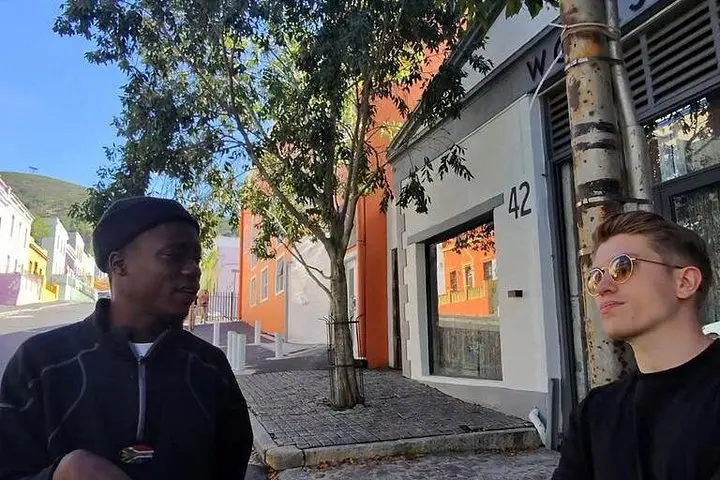
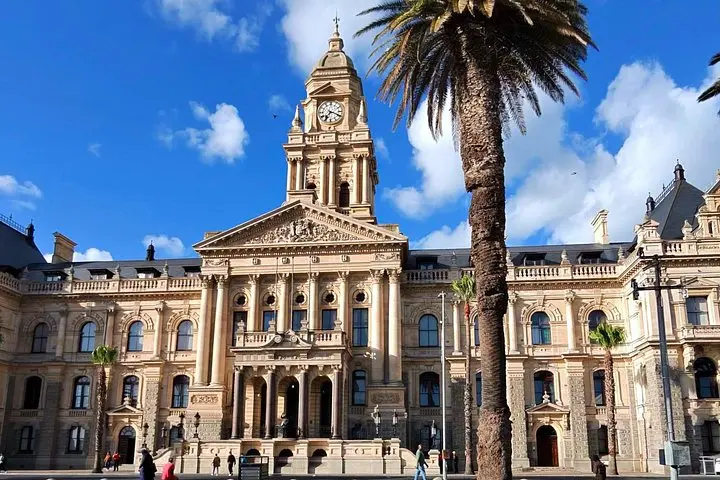
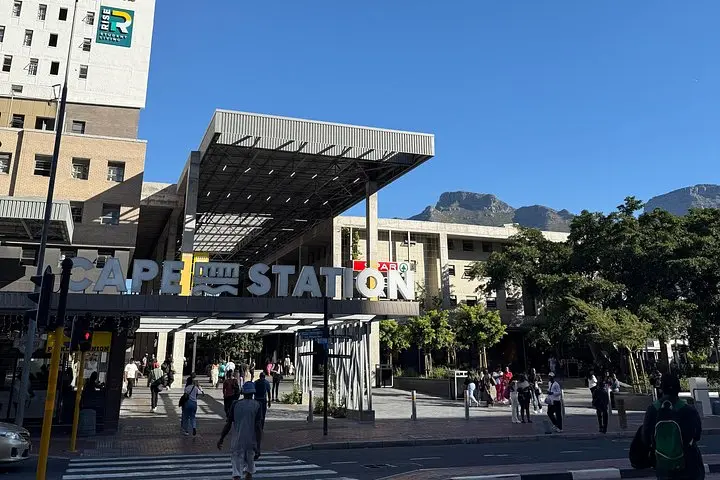
Morning in Cape Town opens like a city breathing—sea breeze pushing through narrow streets, a tram of light striking a mural, and the sound of shoes on worn flagstone. On this two‑hour walk participants move at a local pace from Wale Street to Long Street, through the Parliament precinct, the Company’s Garden, Greenmarket Square and the quieter lanes of Bo‑Kaap where color and memory insist on being noticed.
Verified experiences and guided adventures in the surrounding area.
Operated by HIGHGROUND: Art, History & Hidden Vibes · Cape Town, Western Cape
Morning in Cape Town opens like a city breathing—sea breeze pushing through narrow streets, a tram of light striking a mural, and the sound of shoes on worn flagstone. On this two‑hour walk participants move at a local pace from Wale Street to Long Street, through the Parliament precinct, the Company’s Garden, Greenmarket Square and the quieter lanes of Bo‑Kaap where color and memory insist on being noticed.
The route folds history into every block: the Company’s Garden dates to the 1600s and carries botanical gifts from colonial encounters; benches once marked by apartheid still echo public policy and private grief; the Slave Lodge and the arch honoring Desmond Tutu give weight to stories you’ll hear from guides who are artists and storytellers. Walls are geology too—the city’s granite outcrops and reclaimed ports shaped its neighborhoods and the canvases artists choose.
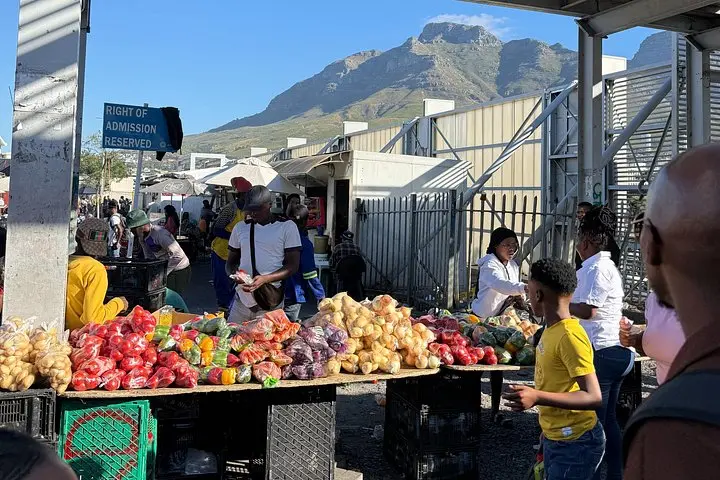
Practical guidance is simple. Expect about 2–3 km of mostly paved walking with modest elevation (≈50 m cumulative gain), some cobbles and a few short steps. The tour is wheelchair accessible on main streets, but check specific stop access. Bring a refillable bottle—water is supplied but summers are hot—wear sturdy walking shoes and sun protection, and carry small change for market stalls.
Photography is welcomed, but ask before focusing on people or private courtyards. The value of this walk is local perspective: in two hours you’ll get art, politics, and food tastes rooted in place—plus a short list of spots to return to after the tour.
Yes—the main route and most stops are wheelchair accessible; contact the operator to confirm access at specific heritage sites.
Guides lead the tour in English and can provide local context and stories; check in advance for other language needs.
Tipping is appreciated but not required; a small cash tip recognizes local expertise and is common practice.
The meeting point is typically central Cape Town (Wale Street/Long Street area); the route loops through nearby landmarks and returns close to the start.
HIGHGROUND: Art, History & Hidden Vibes operates guided outdoor trips and adventures with an emphasis on safety, stewardship, and memorable experiences.
Morning in Cape Town opens like a city breathing—sea breeze pushing through narrow streets, a tram of light striking a mural, and the sound of shoes on worn flagstone. On this two‑hour walk participants move at a local pace from Wale Street to Long Street, through the Parliament precinct, the Company’s Garden, Greenmarket Square and the quieter lanes of Bo‑Kaap where color and memory insist on being noticed.
Morning in Cape Town opens like a city breathing—sea breeze pushing through narrow streets, a tram of light striking a mural, and the sound of shoes on worn flagstone. On this two‑hour walk participants move at a local pace from Wale Street to Long Street, through the Parliament precinct, the Company’s Garden, Greenmarket Square and the quieter lanes of Bo‑Kaap where color and memory insist on being noticed.
The route folds history into every block: the Company’s Garden dates to the 1600s and carries botanical gifts from colonial encounters; benches once marked by apartheid still echo public policy and private grief; the Slave Lodge and the arch honoring Desmond Tutu give weight to stories you’ll hear from guides who are artists and storytellers. Walls are geology too—the city’s granite outcrops and reclaimed ports shaped its neighborhoods and the canvases artists choose.
Practical guidance is simple. Expect about 2–3 km of mostly paved walking with modest elevation (≈50 m cumulative gain), some cobbles and a few short steps. The tour is wheelchair accessible on main streets, but check specific stop access. Bring a refillable bottle—water is supplied but summers are hot—wear sturdy walking shoes and sun protection, and carry small change for market stalls.
Photography is welcomed, but ask before focusing on people or private courtyards. The value of this walk is local perspective: in two hours you’ll get art, politics, and food tastes rooted in place—plus a short list of spots to return to after the tour.