THE ADVENTURE COLLECTIVE® · Independent discovery and booking for outdoor travel
Drive the spine of the Cape Peninsula, stand where two oceans meet at Agulhas, and watch whales and penguins up close on this private two-day coastal tour from Cape Town. Expect dramatic cliffs, curated wine tastings, and guided wildlife stops.
Drive the spine of the Cape Peninsula, stand where two oceans meet at Agulhas, and watch whales and penguins up close on this private two-day coastal tour from Cape Town. Expect dramatic cliffs, curated wine tastings, and guided wildlife stops.
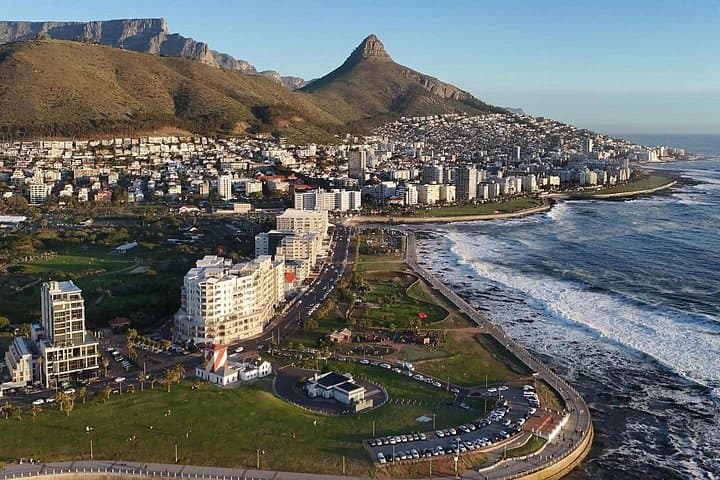
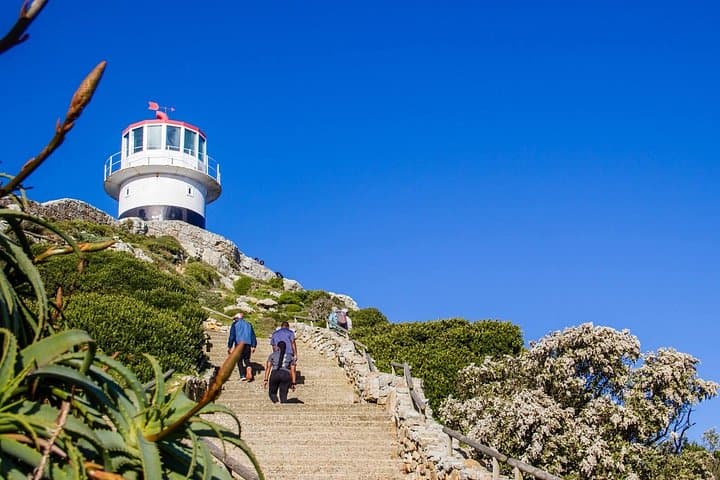
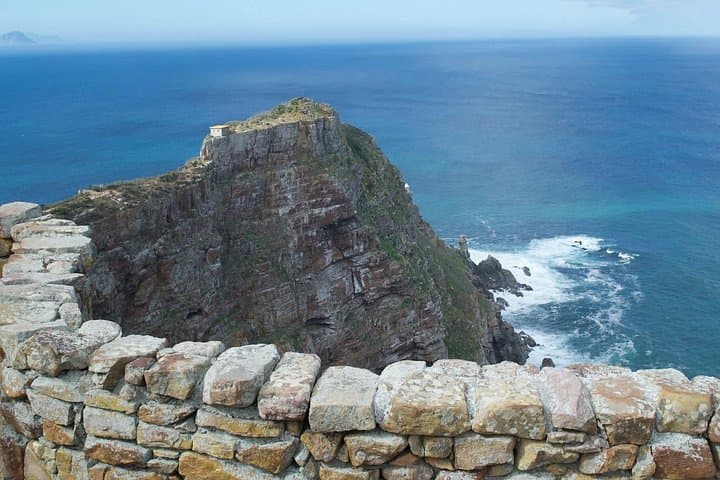
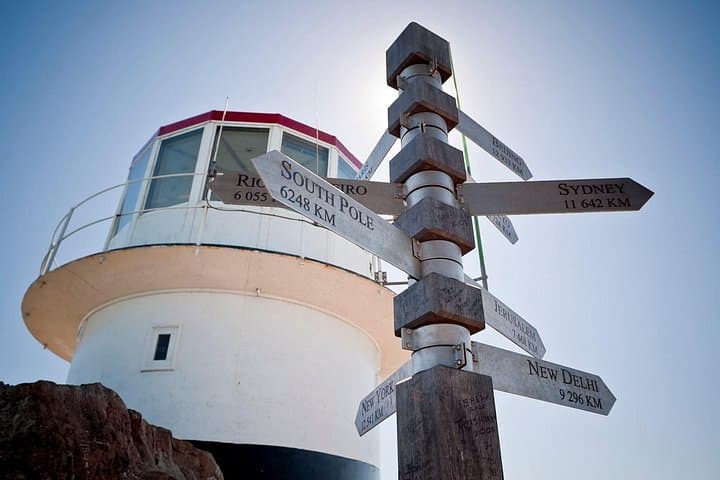
The morning wind breaks against a granite cliff and carries the salt of two oceans: cold Benguela currents push north while the warm Agulhas teases in from the southeast. On Day One a small, private vehicle peels away from Cape Town’s harbor and follows the rugged spine of the Peninsula—stretches of road that make the sea feel like it’s chasing the tyres. You’ll hop short lookouts, watch seals cavort in Hout Bay, and stand at Cape Point where ships once misread this rocky lip of land and where the landscape still seems to test the courage of passing vessels.
Verified experiences and guided adventures in the surrounding area.
Operated by african macaw dmc and Safaris · Cape Town, Western Cape
The morning wind breaks against a granite cliff and carries the salt of two oceans: cold Benguela currents push north while the warm Agulhas teases in from the southeast. On Day One a small, private vehicle peels away from Cape Town’s harbor and follows the rugged spine of the Peninsula—stretches of road that make the sea feel like it’s chasing the tyres. You’ll hop short lookouts, watch seals cavort in Hout Bay, and stand at Cape Point where ships once misread this rocky lip of land and where the landscape still seems to test the courage of passing vessels.
This route is ancient in geology and layered in history. Table Mountain’s erosion left hard quartzite and granite ridges that form the Peninsula’s cliffs; those same rocks directed early navigators and later explorers like Bartolomeu Dias and Vasco da Gama. Culture here folds from colonial-era Constantia vineyards—where vines were first planted by the Dutch in the 17th century—through the fishing villages of Simon’s Town with their Martello towers and penguin colonies, to the market towns and winelands of Stellenbosch with their Cape Dutch homesteads.
Day Two stretches further: a long, cinematic drive to Cape Agulhas—the true southernmost point of Africa—where the official meeting of the Atlantic and Indian Oceans is marked on a slab of wind-browned earth. Ancient tidal fish traps line the coastline like weathered sculptures. The Agulhas lighthouse’s 71 steps reward the climb with a panorama that makes the two-day loop feel like a compact atlas of the Cape.
The itinerary balances spectacle with ease: short walks and viewpoints, guided stops at Boulders Beach to view African penguins, and a seasonal detour to Hermanus for some of the best land-based whale watching on Earth (June–November). Evenings are softer—Constantia’s estates offer guided tastings and a chance to place local winemaking into context after a day against the sea.
Practical matters: expect long but comfortable days—pick-up is early, roads are mostly paved but can wind sharply on Chapman’s Peak Drive, and weather can shift from bright sun to brisk Atlantic gusts in an hour. Bring layers, sun protection, and a small daypack with water and a camera. Walks range from flat boardwalks at Boulders to short steeper hikes at Cape Point; the funicular is available if you prefer to skip stairs. Bookings include hotel pick-up, an accredited guide, entry fees, and wine tasting; confirm pick-up address and passport details when you reserve.
For travelers who want a coastal primer—wildlife, geology, and wines in a concentrated package—this two-day run from Cape Town stitches together natural drama with local flavor, leaving enough time to taste the region and to understand why sailors both feared and celebrated this stretch of coast.
Yes—entry fees for listed reserves and one curated wine tasting are included in the tour price.
Pick-up and drop-off from central Cape Town hotels and select locations are included; provide your accommodation address when booking.
Hermanus offers excellent land-based whale watching from June to November; sightings are seasonal and not guaranteed.
The funicular fare is not included; visitors may choose to walk or pay locally to ride the Flying Dutchman Funicular.
This listing is for a private tour—groups travel with a dedicated guide and vehicle.
Bottled water and guided wine tasting are included; lunch and dinner are typically at guests’ expense unless otherwise specified.
african macaw dmc and Safaris operates guided outdoor trips and adventures with an emphasis on safety, stewardship, and memorable experiences.
The morning wind breaks against a granite cliff and carries the salt of two oceans: cold Benguela currents push north while the warm Agulhas teases in from the southeast. On Day One a small, private vehicle peels away from Cape Town’s harbor and follows the rugged spine of the Peninsula—stretches of road that make the sea feel like it’s chasing the tyres. You’ll hop short lookouts, watch seals cavort in Hout Bay, and stand at Cape Point where ships once misread this rocky lip of land and where the landscape still seems to test the courage of passing vessels.
The morning wind breaks against a granite cliff and carries the salt of two oceans: cold Benguela currents push north while the warm Agulhas teases in from the southeast. On Day One a small, private vehicle peels away from Cape Town’s harbor and follows the rugged spine of the Peninsula—stretches of road that make the sea feel like it’s chasing the tyres. You’ll hop short lookouts, watch seals cavort in Hout Bay, and stand at Cape Point where ships once misread this rocky lip of land and where the landscape still seems to test the courage of passing vessels.
This route is ancient in geology and layered in history. Table Mountain’s erosion left hard quartzite and granite ridges that form the Peninsula’s cliffs; those same rocks directed early navigators and later explorers like Bartolomeu Dias and Vasco da Gama. Culture here folds from colonial-era Constantia vineyards—where vines were first planted by the Dutch in the 17th century—through the fishing villages of Simon’s Town with their Martello towers and penguin colonies, to the market towns and winelands of Stellenbosch with their Cape Dutch homesteads.
Day Two stretches further: a long, cinematic drive to Cape Agulhas—the true southernmost point of Africa—where the official meeting of the Atlantic and Indian Oceans is marked on a slab of wind-browned earth. Ancient tidal fish traps line the coastline like weathered sculptures. The Agulhas lighthouse’s 71 steps reward the climb with a panorama that makes the two-day loop feel like a compact atlas of the Cape.
The itinerary balances spectacle with ease: short walks and viewpoints, guided stops at Boulders Beach to view African penguins, and a seasonal detour to Hermanus for some of the best land-based whale watching on Earth (June–November). Evenings are softer—Constantia’s estates offer guided tastings and a chance to place local winemaking into context after a day against the sea.
Practical matters: expect long but comfortable days—pick-up is early, roads are mostly paved but can wind sharply on Chapman’s Peak Drive, and weather can shift from bright sun to brisk Atlantic gusts in an hour. Bring layers, sun protection, and a small daypack with water and a camera. Walks range from flat boardwalks at Boulders to short steeper hikes at Cape Point; the funicular is available if you prefer to skip stairs. Bookings include hotel pick-up, an accredited guide, entry fees, and wine tasting; confirm pick-up address and passport details when you reserve.
For travelers who want a coastal primer—wildlife, geology, and wines in a concentrated package—this two-day run from Cape Town stitches together natural drama with local flavor, leaving enough time to taste the region and to understand why sailors both feared and celebrated this stretch of coast.
