THE ADVENTURE COLLECTIVE® · Independent discovery and booking for outdoor travel

Spend a full day from Cape Town on a private game reserve drive to see the Big Five, cheetah rehabilitation and the Klein Karoo landscape. This accessible day tour combines wildlife viewing, a buffet meal, and optional extras like spa or horseback add-ons.
Spend a full day from Cape Town on a private game reserve drive to see the Big Five, cheetah rehabilitation and the Klein Karoo landscape. This accessible day tour combines wildlife viewing, a buffet meal, and optional extras like spa or horseback add-ons.
You arrive before sunrise, the Klein Karoo flattening and cooling as the highway peels away from Cape Town. By midmorning the reserve opens like a stage: elephants amble through scrub, lions ease into shade, and a guide’s voice cuts the quiet with precise facts that sharpen the scene. The air smells faintly of dry grass; the landscape dares you to move quietly and look closely.
Verified experiences and guided adventures in the surrounding area.
Operated by Matadi Africa And Travel Tours · Touws River, Western Cape
You arrive before sunrise, the Klein Karoo flattening and cooling as the highway peels away from Cape Town. By midmorning the reserve opens like a stage: elephants amble through scrub, lions ease into shade, and a guide’s voice cuts the quiet with precise facts that sharpen the scene. The air smells faintly of dry grass; the landscape dares you to move quietly and look closely.
Aquila sits on the edge of the Western Cape’s semi-arid belt where fynbos gives way to Karoo scrub. The region’s geology—older shale and sandstone folded around low mountains—creates the open plains that support grazers and the predators that follow. The area’s recent tourism history ties into agricultural routes through Ceres Fruit Valley; safari lodges here are private reserves engineered for game-viewing within a day’s drive of Cape Town, and the reserve model blends conservation with visitor services.
Expect a structured day: a welcome drink and buffet breakfast, a two-to-three-hour open 4x4 game drive, lunch, and downtime by the pool or fireplace. Guides point out tracking signs, explain cheetah rehabilitation work, and manage safe viewing distances for the Big Five. Because this is a Western Cape reserve, malaria is not a concern, but direct sun, dust, and long vehicle rides are.
Practical tips: bring a long lens and binoculars for animal behavior, dress in layers for temperature swings, carry refillable water, and book transfers early to secure pickup times. The rhythm of the day is deliberate—best appreciated by those ready to trade pace for close-up wildlife moments.
No—Aquila and similar reserves in the Western Cape are in a malaria-free zone.
Scheduled transfers typically depart early morning and take about 2.5–3 hours each way depending on pick-up location and traffic.
Yes—most day safaris welcome families; confirm age policies and infant seat needs with the operator before booking.
Yes; extras such as horseback safaris, quad rides, and spa treatments are often available but typically charged separately and should be booked in advance when possible.
Matadi Africa And Travel Tours operates guided outdoor trips and adventures with an emphasis on safety, stewardship, and memorable experiences.
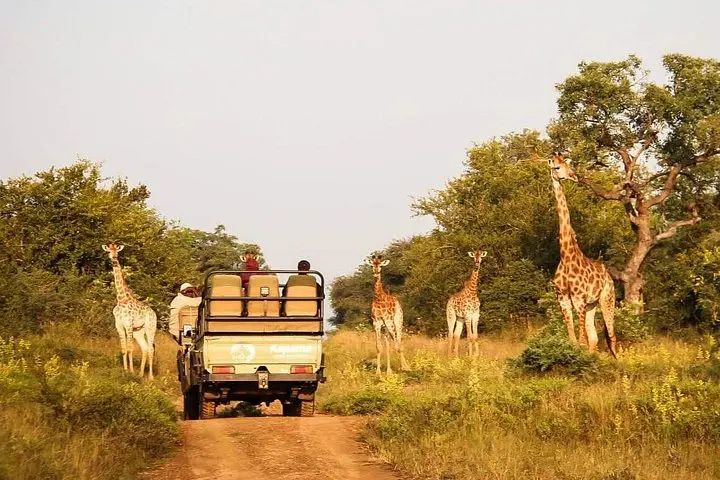
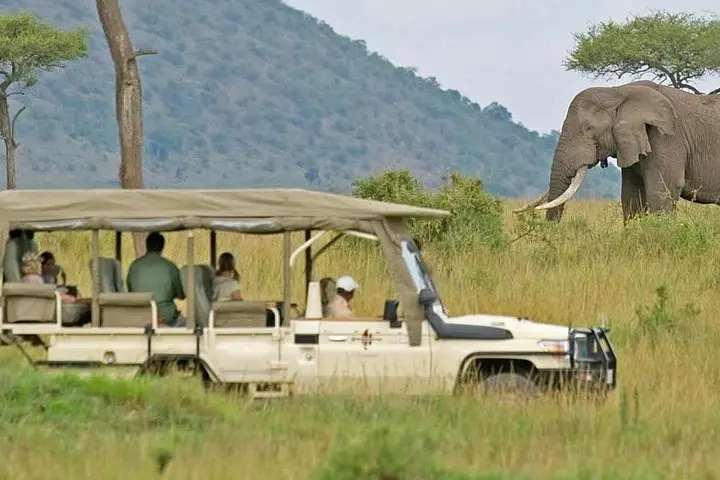
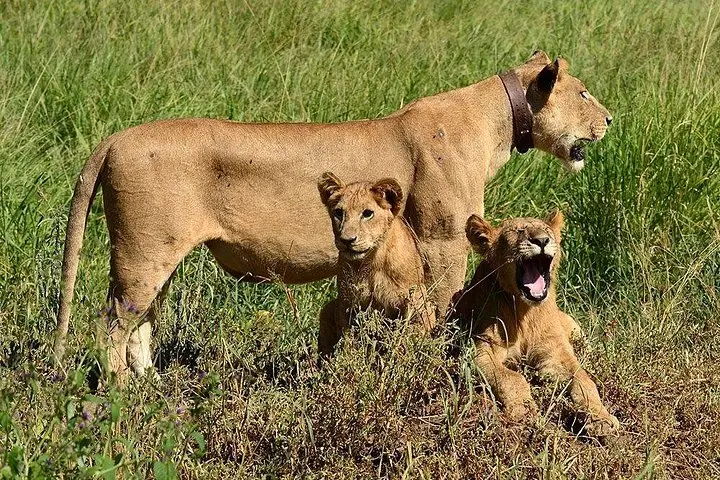
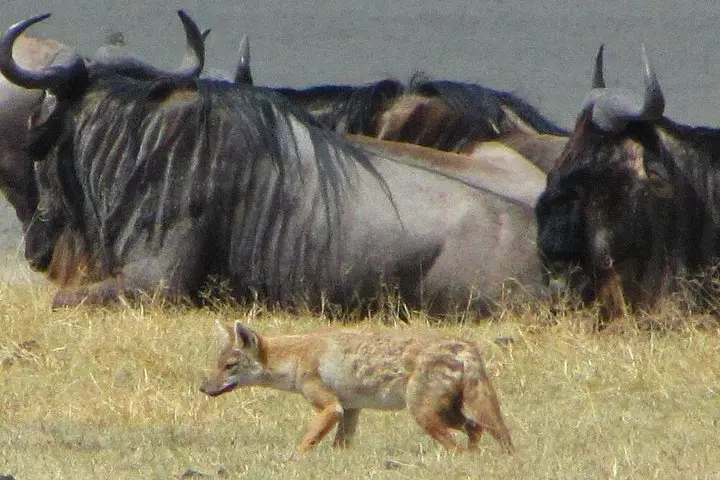
You arrive before sunrise, the Klein Karoo flattening and cooling as the highway peels away from Cape Town. By midmorning the reserve opens like a stage: elephants amble through scrub, lions ease into shade, and a guide’s voice cuts the quiet with precise facts that sharpen the scene. The air smells faintly of dry grass; the landscape dares you to move quietly and look closely.
You arrive before sunrise, the Klein Karoo flattening and cooling as the highway peels away from Cape Town. By midmorning the reserve opens like a stage: elephants amble through scrub, lions ease into shade, and a guide’s voice cuts the quiet with precise facts that sharpen the scene. The air smells faintly of dry grass; the landscape dares you to move quietly and look closely.
Aquila sits on the edge of the Western Cape’s semi-arid belt where fynbos gives way to Karoo scrub. The region’s geology—older shale and sandstone folded around low mountains—creates the open plains that support grazers and the predators that follow. The area’s recent tourism history ties into agricultural routes through Ceres Fruit Valley; safari lodges here are private reserves engineered for game-viewing within a day’s drive of Cape Town, and the reserve model blends conservation with visitor services.
Expect a structured day: a welcome drink and buffet breakfast, a two-to-three-hour open 4x4 game drive, lunch, and downtime by the pool or fireplace. Guides point out tracking signs, explain cheetah rehabilitation work, and manage safe viewing distances for the Big Five. Because this is a Western Cape reserve, malaria is not a concern, but direct sun, dust, and long vehicle rides are.
Practical tips: bring a long lens and binoculars for animal behavior, dress in layers for temperature swings, carry refillable water, and book transfers early to secure pickup times. The rhythm of the day is deliberate—best appreciated by those ready to trade pace for close-up wildlife moments.