THE ADVENTURE COLLECTIVE® · Independent discovery and booking for outdoor travel

A full-day private combo that pairs Cape Town pickup and coastal drives with land-based viewing in Hermanus and an optional 2-hour whale-watching boat safari. Expect cliffside perspectives, wine-country scenery, and the best whale sightings June–November.
A full-day private combo that pairs Cape Town pickup and coastal drives with land-based viewing in Hermanus and an optional 2-hour whale-watching boat safari. Expect cliffside perspectives, wine-country scenery, and the best whale sightings June–November.
You arrive on the shoulder of Walker Bay with wind on your face and the Atlantic daring you to look closer. The road from Cape Town unfolds—Sir Lowry’s Pass dropping into Elgin orchards, Rotary Drive carving along the cliffs—and then the open bay opens like a place that counts its tides in whale breaths. From cliff-top lookouts to a rolling boat deck, the day trades stillness for sudden sprays and the slow, deliberate turns of southern right whales.
Verified experiences and guided adventures in the surrounding area.
Operated by Matadi Africa And Travel Tours · Hermanus, Western Cape
You arrive on the shoulder of Walker Bay with wind on your face and the Atlantic daring you to look closer. The road from Cape Town unfolds—Sir Lowry’s Pass dropping into Elgin orchards, Rotary Drive carving along the cliffs—and then the open bay opens like a place that counts its tides in whale breaths. From cliff-top lookouts to a rolling boat deck, the day trades stillness for sudden sprays and the slow, deliberate turns of southern right whales.
Geology here is obvious: folded Cape Fold Belt ridges give the coast its steep bluffs and deep bays, concentrating food where whales come to calve. Hermanus and nearby Betty’s Bay grew from fishing and farming into whale-watching hubs; Hamilton Russell and the Hemel-en-Aarde valley add a wine-country note to the route. Local culture leans practical—guides read weather and whales rather than schedules—but the area’s conservation shift is tangible: old whaling sites are now protected viewpoints.
Practically, expect an 8-hour private tour with pick-up in greater Cape Town, land-based viewing at Hermanus cliffs, and an optional 2‑hour sea safari to search for whales and other marine life. Peak sightings run June–November, with the best chances August–October. Dress in layers, bring sun protection and binoculars, and treat sea conditions as variable—medication for motion sickness helps. Boats may extend search time if whales move; evenings can produce dramatic Walker Bay sunsets.
This combo balances easy coastal drives and accessible lookout walks with the sudden, breathy thrill of a boat encounter—an efficient, full-day way to meet South Africa’s great migrants while learning the coastal geology and conservation story that surrounds them.
Southern right whales frequent Walker Bay mainly June through November, with peak sightings typically in August–October.
No—sightings are common in season, but not guaranteed; operators may extend search time when whales are present or adjust schedules to improve chances.
Yes—pick-up is generally available within 20 km of Cape Town; confirm exact pickup location and time when booking.
Many land-viewing sites are wheelchair accessible and the operator lists wheelchair-accessible transport, but boat boarding may require steps—contact the operator to discuss specific accessibility needs.
Matadi Africa And Travel Tours operates guided outdoor trips and adventures with an emphasis on safety, stewardship, and memorable experiences.
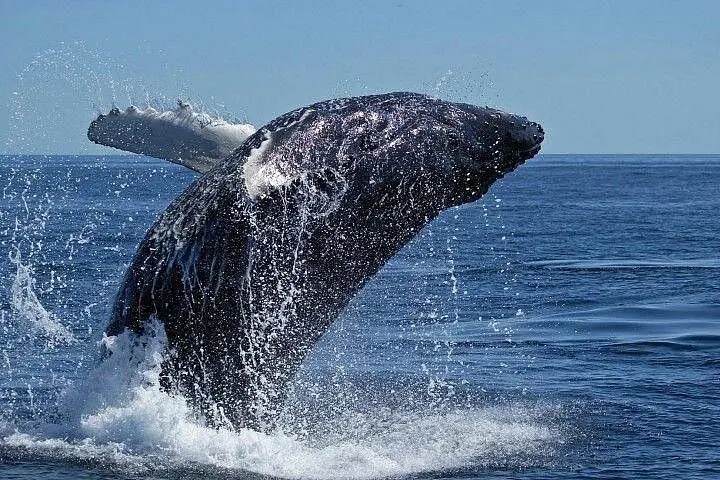
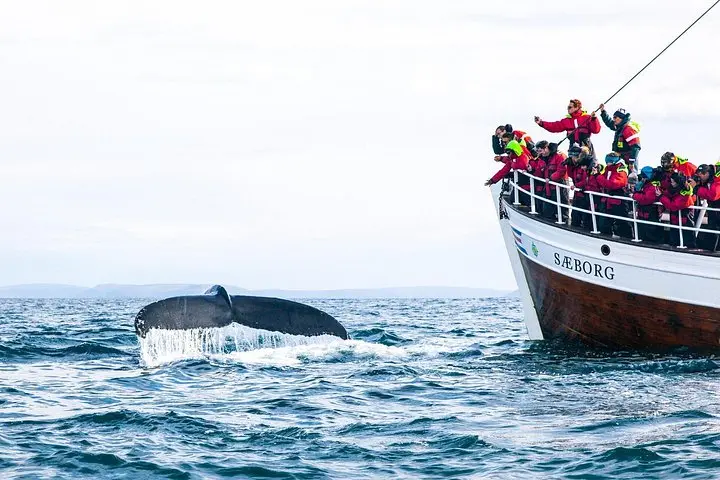
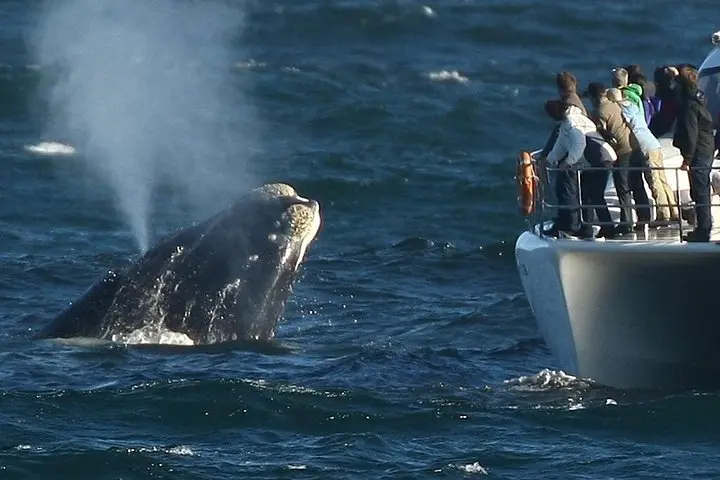
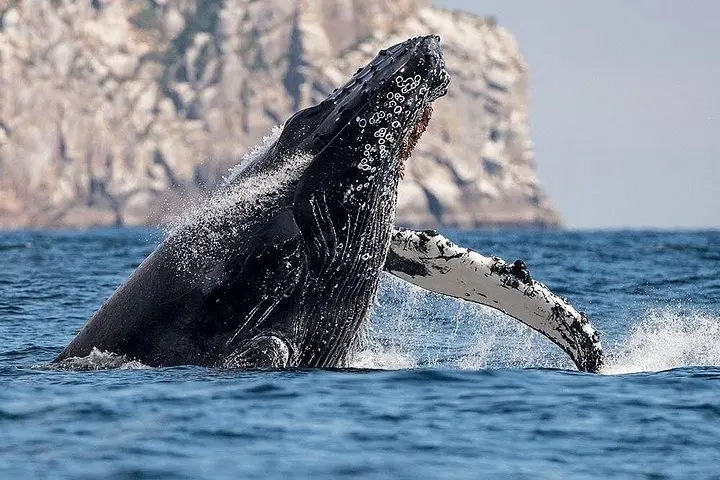
You arrive on the shoulder of Walker Bay with wind on your face and the Atlantic daring you to look closer. The road from Cape Town unfolds—Sir Lowry’s Pass dropping into Elgin orchards, Rotary Drive carving along the cliffs—and then the open bay opens like a place that counts its tides in whale breaths. From cliff-top lookouts to a rolling boat deck, the day trades stillness for sudden sprays and the slow, deliberate turns of southern right whales.
You arrive on the shoulder of Walker Bay with wind on your face and the Atlantic daring you to look closer. The road from Cape Town unfolds—Sir Lowry’s Pass dropping into Elgin orchards, Rotary Drive carving along the cliffs—and then the open bay opens like a place that counts its tides in whale breaths. From cliff-top lookouts to a rolling boat deck, the day trades stillness for sudden sprays and the slow, deliberate turns of southern right whales.
Geology here is obvious: folded Cape Fold Belt ridges give the coast its steep bluffs and deep bays, concentrating food where whales come to calve. Hermanus and nearby Betty’s Bay grew from fishing and farming into whale-watching hubs; Hamilton Russell and the Hemel-en-Aarde valley add a wine-country note to the route. Local culture leans practical—guides read weather and whales rather than schedules—but the area’s conservation shift is tangible: old whaling sites are now protected viewpoints.
Practically, expect an 8-hour private tour with pick-up in greater Cape Town, land-based viewing at Hermanus cliffs, and an optional 2‑hour sea safari to search for whales and other marine life. Peak sightings run June–November, with the best chances August–October. Dress in layers, bring sun protection and binoculars, and treat sea conditions as variable—medication for motion sickness helps. Boats may extend search time if whales move; evenings can produce dramatic Walker Bay sunsets.
This combo balances easy coastal drives and accessible lookout walks with the sudden, breathy thrill of a boat encounter—an efficient, full-day way to meet South Africa’s great migrants while learning the coastal geology and conservation story that surrounds them.