THE ADVENTURE COLLECTIVE® · Independent discovery and booking for outdoor travel

A full-day drive from Cape Town into the heart of the Cape Winelands, this guided tour combines cultural stops in Bo-Kaap and the Castle of Good Hope with tastings at Stellenbosch and Franschhoek estates. Expect scenic drives, short walks and a robust introduction to South African wine and history.
A full-day drive from Cape Town into the heart of the Cape Winelands, this guided tour combines cultural stops in Bo-Kaap and the Castle of Good Hope with tastings at Stellenbosch and Franschhoek estates. Expect scenic drives, short walks and a robust introduction to South African wine and history.
You leave Cape Town behind as Table Mountain recedes and the coastal air gives way to a peppering of vineyards and folded mountains. Roads thread through the Helderberg and Stellenbosch valleys; oak-lined avenues and white Cape Dutch gables come into view, while Franschhoek’s ramparts of Drakenstein rise like guardians of the vineyards. The day alternates between gentle walks across manicured estates and short, informative stops in cultural pockets such as Bo-Kaap and the Castle of Good Hope.
Verified experiences and guided adventures in the surrounding area.
Operated by Aim Cape Tours. · Cape Town, Western Cape
You leave Cape Town behind as Table Mountain recedes and the coastal air gives way to a peppering of vineyards and folded mountains. Roads thread through the Helderberg and Stellenbosch valleys; oak-lined avenues and white Cape Dutch gables come into view, while Franschhoek’s ramparts of Drakenstein rise like guardians of the vineyards. The day alternates between gentle walks across manicured estates and short, informative stops in cultural pockets such as Bo-Kaap and the Castle of Good Hope.
This route traces layers of history — from 17th-century Dutch and French Huguenot settlers who planted the first vines to the Cape Malay communities of Bo-Kaap. Geologically, the Cape Winelands rest on weathered sandstone and granite that drain quickly, shaping the lean, mineral-driven character of local wines. Culture here is tactile: tasting rooms hum, sommeliers explain terroir, and small galleries like Hazendal’s Marvol offer local art between tastings.
Practically, expect a full 8–9 hour day on an air-conditioned coach with guided stops for tastings, a diamond demonstration option, and short walks through estates and village centers. Wear comfortable shoes for gravel paths, bring sun protection and a refillable bottle — the Western Cape is dry in summer. Book tastings ahead when possible, and budget time for lunch in Franschhoek’s culinary district. If you’re photographing estates, aim for morning or late afternoon light; midday can be harsh. Finally, be mindful of responsible tourism—stay on paths, respect private vineyards, and sample locally to support small producers.
Yes—an air-conditioned coach and private transportation are included; most departures are from central Cape Town pickup points stated at booking.
Some tastings at selected estates are included, but premium flights, food pairings or additional tastings may incur extra charges—confirm when booking.
The tour is stroller-accessible and infants may ride on laps; infant seats are available on request but not recommended for pregnant travelers.
Yes—ceremonies like the Castle of Good Hope key ceremony are weather dependent, and the operator may adjust stops or timing if necessary.
Aim Cape Tours. operates guided outdoor trips and adventures with an emphasis on safety, stewardship, and memorable experiences.
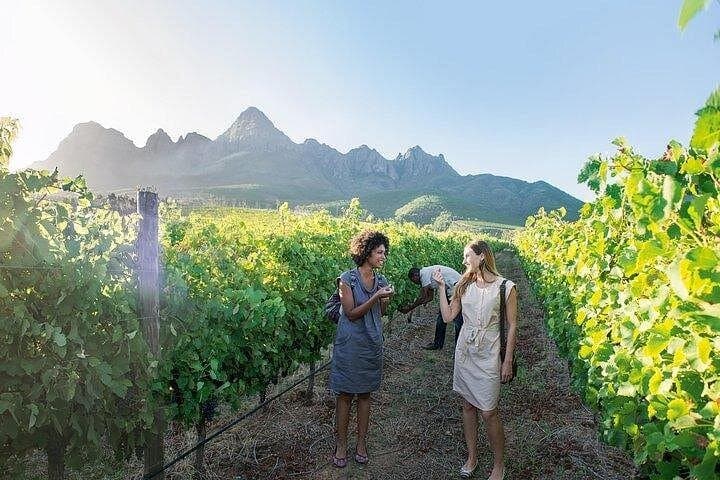
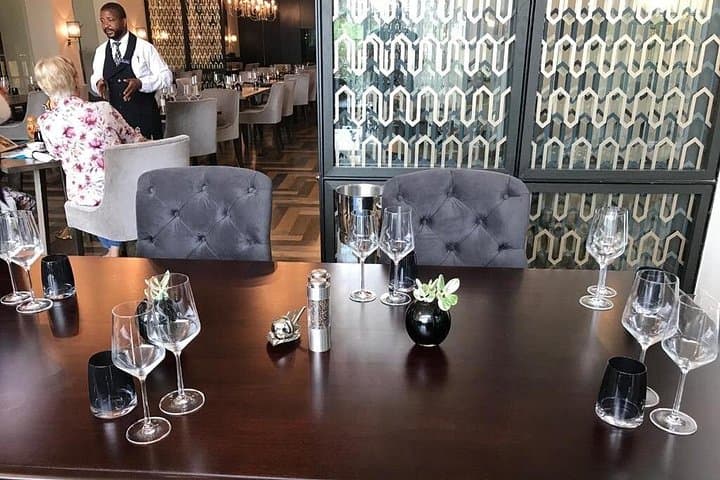
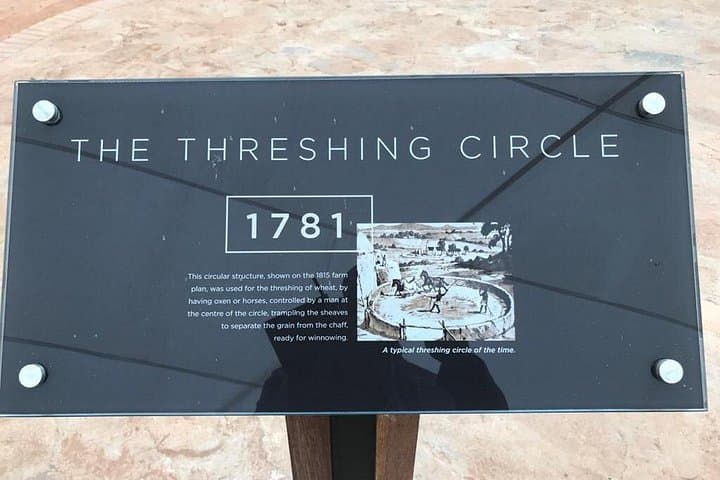
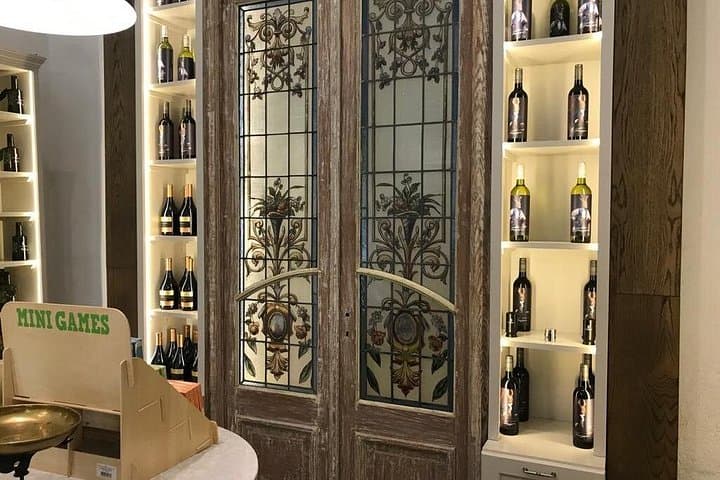
You leave Cape Town behind as Table Mountain recedes and the coastal air gives way to a peppering of vineyards and folded mountains. Roads thread through the Helderberg and Stellenbosch valleys; oak-lined avenues and white Cape Dutch gables come into view, while Franschhoek’s ramparts of Drakenstein rise like guardians of the vineyards. The day alternates between gentle walks across manicured estates and short, informative stops in cultural pockets such as Bo-Kaap and the Castle of Good Hope.
You leave Cape Town behind as Table Mountain recedes and the coastal air gives way to a peppering of vineyards and folded mountains. Roads thread through the Helderberg and Stellenbosch valleys; oak-lined avenues and white Cape Dutch gables come into view, while Franschhoek’s ramparts of Drakenstein rise like guardians of the vineyards. The day alternates between gentle walks across manicured estates and short, informative stops in cultural pockets such as Bo-Kaap and the Castle of Good Hope.
This route traces layers of history — from 17th-century Dutch and French Huguenot settlers who planted the first vines to the Cape Malay communities of Bo-Kaap. Geologically, the Cape Winelands rest on weathered sandstone and granite that drain quickly, shaping the lean, mineral-driven character of local wines. Culture here is tactile: tasting rooms hum, sommeliers explain terroir, and small galleries like Hazendal’s Marvol offer local art between tastings.
Practically, expect a full 8–9 hour day on an air-conditioned coach with guided stops for tastings, a diamond demonstration option, and short walks through estates and village centers. Wear comfortable shoes for gravel paths, bring sun protection and a refillable bottle — the Western Cape is dry in summer. Book tastings ahead when possible, and budget time for lunch in Franschhoek’s culinary district. If you’re photographing estates, aim for morning or late afternoon light; midday can be harsh. Finally, be mindful of responsible tourism—stay on paths, respect private vineyards, and sample locally to support small producers.