THE ADVENTURE COLLECTIVE® · Independent discovery and booking for outdoor travel

Spend a day traversing Paarl, Stellenbosch and Franschhoek with three curated wine tastings, a cellar tour, and time to explore historic streets. Practical tips on timing, footwear, and where to eat make this an easy-packed introduction to the Cape Winelands.
Spend a day traversing Paarl, Stellenbosch and Franschhoek with three curated wine tastings, a cellar tour, and time to explore historic streets. Practical tips on timing, footwear, and where to eat make this an easy-packed introduction to the Cape Winelands.
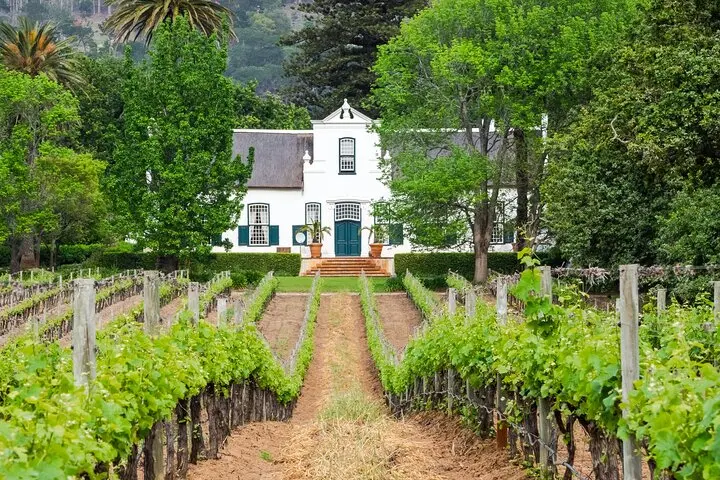
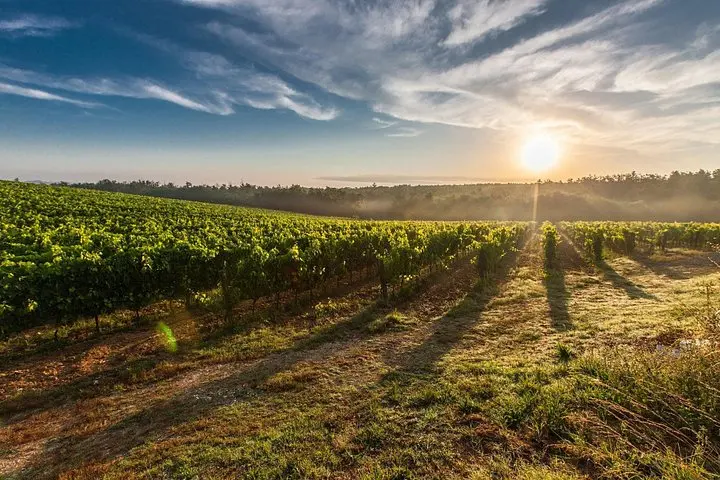
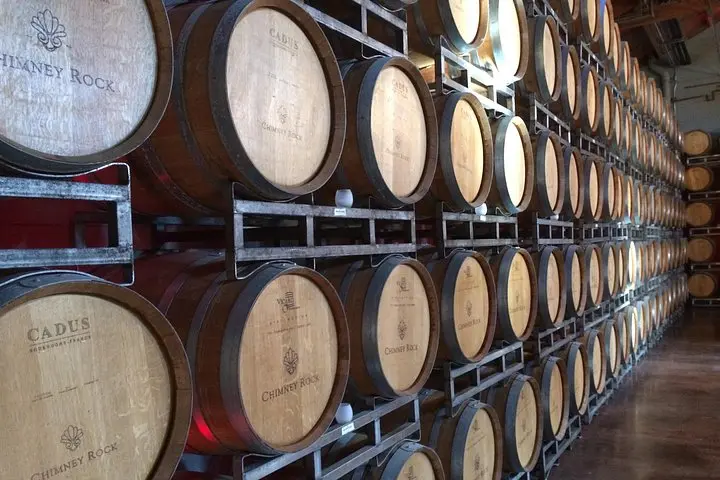
The van turns off the N1 and the mountains close in — low fynbos on the slopes, neat rows of vines cutting the valley into lunchboxes of green. Morning light finds Paarl’s granite domes glowing while oak-lined streets in Stellenbosch promise a slower pace; by afternoon Franschhoek’s valley narrows and the air smells faintly of oak barrels and pressed grapes.
Verified experiences and guided adventures in the surrounding area.
Operated by Kono tourism services · Stellenbosch, Western Cape
The van turns off the N1 and the mountains close in — low fynbos on the slopes, neat rows of vines cutting the valley into lunchboxes of green. Morning light finds Paarl’s granite domes glowing while oak-lined streets in Stellenbosch promise a slower pace; by afternoon Franschhoek’s valley narrows and the air smells faintly of oak barrels and pressed grapes.
This full-day circuit stitches together three curated tastings at estates ranging from Cape Dutch farmhouses to contemporary cellar doors. The route follows geology and history: granite and shale soils that shape cabernet and chardonnay, and a colonial-era landscape shaped by Dutch and French Huguenot settlers who brought vine-growing techniques here in the 17th and 18th centuries. Expect a guided cellar tour at one estate and a stop at the Huguenot Monument or museum to trace the region’s cultural roots.
Practical side: the tour runs about eight hours with hotel pickup in Cape Town, travel in an air-conditioned vehicle, and bottled water provided. Wear comfortable shoes for gravel cellar floors and short walks between tasting rooms, and bring a light layer for windy passes through the valley. Lunch is not included — pick a vineyard bistro or the Franschhoek market for local produce and pairing-friendly menus.
Timing matters: morning tastings are quieter, afternoons busier; book dietary needs in advance. If you plan to buy bottles, ask about shipping options — many estates will pack and ship internationally. This is a relaxed, sensory day designed for tasting and learning rather than strenuous walking, ideal for travelers who want a focused introduction to South Africa’s premier wine regions.
No, lunch is typically at your own expense; guides can recommend estate restaurants or local markets in Franschhoek.
Yes, most estates sell bottles on-site and many offer packing and shipping; check export rules for international purchases.
Yes — the tour usually includes pickup and drop-off in Cape Town hotels; confirm your pickup point when booking.
Non-drinkers can still enjoy the cellar tours, landscapes, and village visits; inform the operator to accommodate preferences.
Kono tourism services operates guided outdoor trips and adventures with an emphasis on safety, stewardship, and memorable experiences.

The van turns off the N1 and the mountains close in — low fynbos on the slopes, neat rows of vines cutting the valley into lunchboxes of green. Morning light finds Paarl’s granite domes glowing while oak-lined streets in Stellenbosch promise a slower pace; by afternoon Franschhoek’s valley narrows and the air smells faintly of oak barrels and pressed grapes.
The van turns off the N1 and the mountains close in — low fynbos on the slopes, neat rows of vines cutting the valley into lunchboxes of green. Morning light finds Paarl’s granite domes glowing while oak-lined streets in Stellenbosch promise a slower pace; by afternoon Franschhoek’s valley narrows and the air smells faintly of oak barrels and pressed grapes.
This full-day circuit stitches together three curated tastings at estates ranging from Cape Dutch farmhouses to contemporary cellar doors. The route follows geology and history: granite and shale soils that shape cabernet and chardonnay, and a colonial-era landscape shaped by Dutch and French Huguenot settlers who brought vine-growing techniques here in the 17th and 18th centuries. Expect a guided cellar tour at one estate and a stop at the Huguenot Monument or museum to trace the region’s cultural roots.
Practical side: the tour runs about eight hours with hotel pickup in Cape Town, travel in an air-conditioned vehicle, and bottled water provided. Wear comfortable shoes for gravel cellar floors and short walks between tasting rooms, and bring a light layer for windy passes through the valley. Lunch is not included — pick a vineyard bistro or the Franschhoek market for local produce and pairing-friendly menus.
Timing matters: morning tastings are quieter, afternoons busier; book dietary needs in advance. If you plan to buy bottles, ask about shipping options — many estates will pack and ship internationally. This is a relaxed, sensory day designed for tasting and learning rather than strenuous walking, ideal for travelers who want a focused introduction to South Africa’s premier wine regions.