THE ADVENTURE COLLECTIVE® · Independent discovery and booking for outdoor travel

Trace Capitol Hill’s culinary history on a 3.5-hour small-group walking tour that pairs tastings with neighborhood stories. Start at Eastern Market and move through rowhouse-lined streets, historic vendors, and chefs reinterpreting local ingredients.
Trace Capitol Hill’s culinary history on a 3.5-hour small-group walking tour that pairs tastings with neighborhood stories. Start at Eastern Market and move through rowhouse-lined streets, historic vendors, and chefs reinterpreting local ingredients.
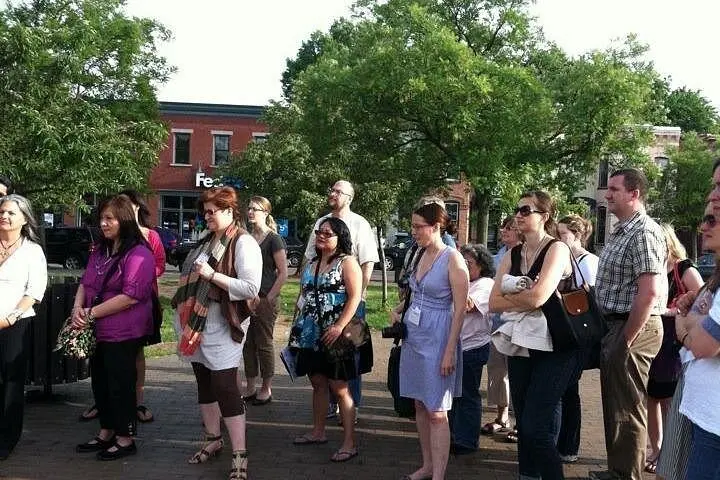
The tour begins where the city slows — at the Eastern Market metro exit, steam and traffic give way to brick rowhouses and the smell of bread baking. Guides lead a small group down narrow streets where signage, stoops, and ironwork mark layers of Washington life; every bite becomes a way to read the neighborhood.
Verified experiences and guided adventures in the surrounding area.
Operated by Food Tour Corporation · Washington, DC
The tour begins where the city slows — at the Eastern Market metro exit, steam and traffic give way to brick rowhouses and the smell of bread baking. Guides lead a small group down narrow streets where signage, stoops, and ironwork mark layers of Washington life; every bite becomes a way to read the neighborhood.
Capitol Hill grew around the seat of government in the 18th and 19th centuries; its market traditions date to the 1870s when Eastern Market opened as a civic hub. Geologically the area sits on the gentle slopes east of the Capitol, shaped by the Potomac’s millennia of sediment — the soils that supported orchards and then backyards now host restaurants and stalls. The food reflects waves of migration and local produce: colonial-era comfort, immigrant influences, and modern chefs reworking regional fare.
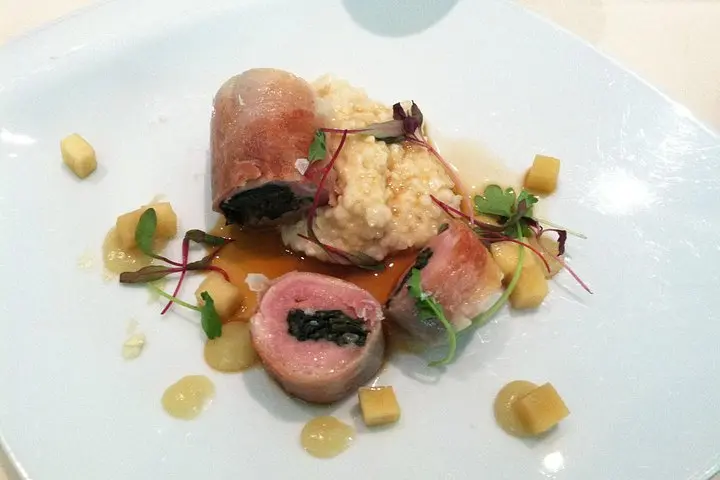
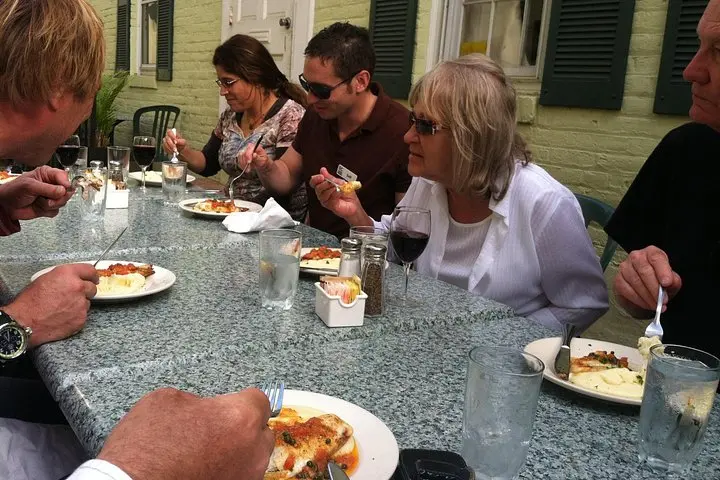
Along the route expect stop-and-sample pacing: savory bites, a sweet finish, and historical anecdotes about politicians, markets, and neighborhood resilience. The tour emphasizes small-group interaction (max 12), accessible surfaces, and inclusivity for common dietary needs when noted at booking.
Practical guidance: wear broken-in walking shoes and bring a refillable water bottle; dress for changing weather and plan to start with a light breakfast because tastings are frequent but portioned. Public transit is the easiest arrival method (Eastern Market Metro), and the loop returns to the meeting point. If you want concentrated local history alongside curated food choices in a manageable 3.5-hour window, this walk balances storytelling with tastings without glossing over the neighborhood’s real, lived character.
Yes — all tastings listed on the itinerary are included in the booking price.
Groups are small with a maximum of 12 participants to keep the experience conversational.
Yes — the meeting point, route, and many stops are wheelchair accessible; inform the operator at booking for the best accommodations.
Yes — notify the operator at booking and they will make adjustments where possible; severe allergies should be disclosed early.
Food Tour Corporation operates guided outdoor trips and adventures with an emphasis on safety, stewardship, and memorable experiences.
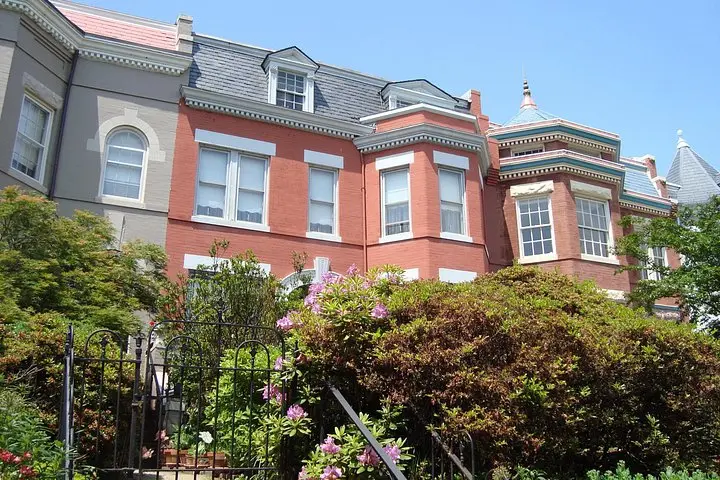
The tour begins where the city slows — at the Eastern Market metro exit, steam and traffic give way to brick rowhouses and the smell of bread baking. Guides lead a small group down narrow streets where signage, stoops, and ironwork mark layers of Washington life; every bite becomes a way to read the neighborhood.
The tour begins where the city slows — at the Eastern Market metro exit, steam and traffic give way to brick rowhouses and the smell of bread baking. Guides lead a small group down narrow streets where signage, stoops, and ironwork mark layers of Washington life; every bite becomes a way to read the neighborhood.
Capitol Hill grew around the seat of government in the 18th and 19th centuries; its market traditions date to the 1870s when Eastern Market opened as a civic hub. Geologically the area sits on the gentle slopes east of the Capitol, shaped by the Potomac’s millennia of sediment — the soils that supported orchards and then backyards now host restaurants and stalls. The food reflects waves of migration and local produce: colonial-era comfort, immigrant influences, and modern chefs reworking regional fare.
Along the route expect stop-and-sample pacing: savory bites, a sweet finish, and historical anecdotes about politicians, markets, and neighborhood resilience. The tour emphasizes small-group interaction (max 12), accessible surfaces, and inclusivity for common dietary needs when noted at booking.
Practical guidance: wear broken-in walking shoes and bring a refillable water bottle; dress for changing weather and plan to start with a light breakfast because tastings are frequent but portioned. Public transit is the easiest arrival method (Eastern Market Metro), and the loop returns to the meeting point. If you want concentrated local history alongside curated food choices in a manageable 3.5-hour window, this walk balances storytelling with tastings without glossing over the neighborhood’s real, lived character.