THE ADVENTURE COLLECTIVE® · Independent discovery and booking for outdoor travel

Walk Capitol Hill’s streets to trace Seattle’s LGBTQIA+ history—from the Jimi Hendrix statue to the AIDS Memorial Pathway. This two-hour private tour mixes cultural storytelling with stops at bookstores, music venues and queer-owned cafes.
Walk Capitol Hill’s streets to trace Seattle’s LGBTQIA+ history—from the Jimi Hendrix statue to the AIDS Memorial Pathway. This two-hour private tour mixes cultural storytelling with stops at bookstores, music venues and queer-owned cafes.
You meet at the bronze Jimi Hendrix statue as the city exhales into a rainy morning—Broadway hums, street trees bristle, and Capitol Hill’s murals seem to watch as you step off the curb.
Verified experiences and guided adventures in the surrounding area.
Operated by Intrepid Urban Adventures - USA · Seattle, Washington
You meet at the bronze Jimi Hendrix statue as the city exhales into a rainy morning—Broadway hums, street trees bristle, and Capitol Hill’s murals seem to watch as you step off the curb.
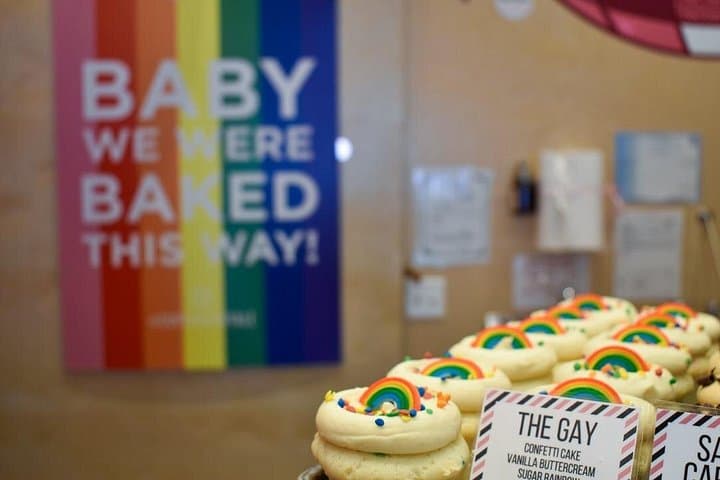
This two-hour walking tour threads roughly 2 km through the neighborhood where Seattle’s first pride marches unfurled at Cal Anderson Park and where queer life shaped music venues, bookstores and cafes. The route pauses at the AIDS Memorial Pathway, an outdoor gallery of sculpture and names that frames loss and resilience. You’ll cross plazas that hosted rallies, stop inside Elliott Bay Books to scan its dedicated LGBTQIA+ shelf, and taste a pride-themed pastry at a longtime neighborhood bakery.
Capitol Hill’s streets are built on glacial clay and 20th-century streetcars; culturally, the area matured into an epicenter for activism during the 1970s–90s, when clubs and community centers provided both sanctuary and stage. Today the neighborhood balances live music venues, independent shops and newer development—each block carrying a layer of social history.
Practical notes: expect pavement, short curb cuts and five-to-ten minute standing stops. Wear comfortable walking shoes and layered rain gear—Seattle weather changes fast. Bring an ORCA card or transit app if you’re arriving by bus or light rail; the tour is wheelchair-accessible but confirm needs when booking. Respect the memorial spaces—this is as much a reflective walk as a cultural one. Book ahead for private groups, tip your guide if they deepened the experience, and allow extra time to browse Elliott Bay or grab brunch after the tour.
Yes — the tour route and main stops are wheelchair accessible; inform the operator of any specific mobility needs when booking.
Children are welcome; the provider requests advance notice for under-6s so guides can adjust pacing.
Short food stops are included (a pride-themed treat is common), but full meals are best saved for before or after to keep the schedule on time.
Gratuity is not included; tipping is customary if you feel the guide provided an engaging, personalized experience.
Intrepid Urban Adventures - USA operates guided outdoor trips and adventures with an emphasis on safety, stewardship, and memorable experiences.


You meet at the bronze Jimi Hendrix statue as the city exhales into a rainy morning—Broadway hums, street trees bristle, and Capitol Hill’s murals seem to watch as you step off the curb.
You meet at the bronze Jimi Hendrix statue as the city exhales into a rainy morning—Broadway hums, street trees bristle, and Capitol Hill’s murals seem to watch as you step off the curb.
This two-hour walking tour threads roughly 2 km through the neighborhood where Seattle’s first pride marches unfurled at Cal Anderson Park and where queer life shaped music venues, bookstores and cafes. The route pauses at the AIDS Memorial Pathway, an outdoor gallery of sculpture and names that frames loss and resilience. You’ll cross plazas that hosted rallies, stop inside Elliott Bay Books to scan its dedicated LGBTQIA+ shelf, and taste a pride-themed pastry at a longtime neighborhood bakery.
Capitol Hill’s streets are built on glacial clay and 20th-century streetcars; culturally, the area matured into an epicenter for activism during the 1970s–90s, when clubs and community centers provided both sanctuary and stage. Today the neighborhood balances live music venues, independent shops and newer development—each block carrying a layer of social history.
Practical notes: expect pavement, short curb cuts and five-to-ten minute standing stops. Wear comfortable walking shoes and layered rain gear—Seattle weather changes fast. Bring an ORCA card or transit app if you’re arriving by bus or light rail; the tour is wheelchair-accessible but confirm needs when booking. Respect the memorial spaces—this is as much a reflective walk as a cultural one. Book ahead for private groups, tip your guide if they deepened the experience, and allow extra time to browse Elliott Bay or grab brunch after the tour.