THE ADVENTURE COLLECTIVE® · Independent discovery and booking for outdoor travel

Move through volcanic valleys, fairy chimneys and centuries-old cave churches on a private 1–2 day van tour of Cappadocia. This guided route pairs soft-rock geology with Byzantine frescoes, underground cities and Avanos pottery for an efficient cultural and landscape primer.
Move through volcanic valleys, fairy chimneys and centuries-old cave churches on a private 1–2 day van tour of Cappadocia. This guided route pairs soft-rock geology with Byzantine frescoes, underground cities and Avanos pottery for an efficient cultural and landscape primer.
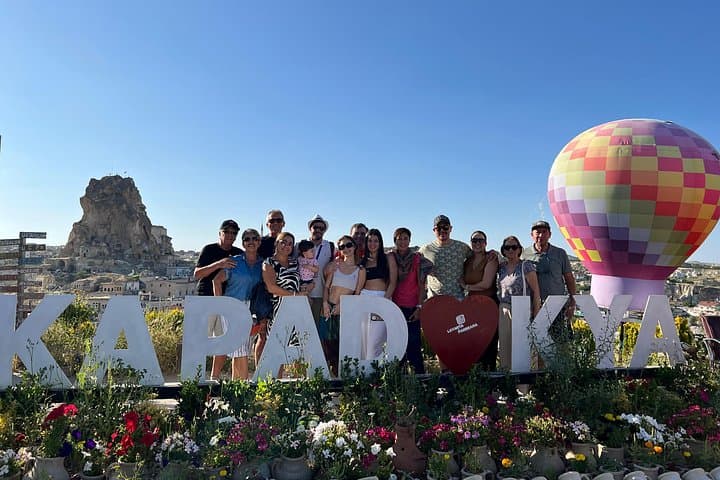
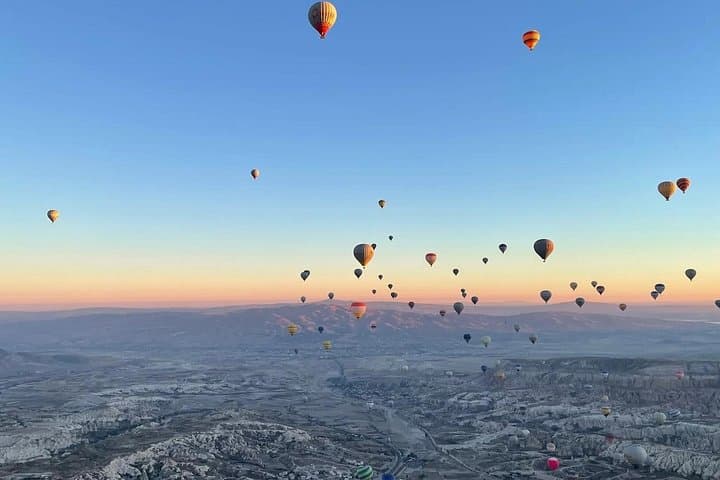
Morning light pours across a moonscape—soft, pale rock rising into hoodoos that the wind and rain have sculpted into columns and caps. You step out of a private van in Göreme, the guide folding a paper map and pointing to the Goreme Open Air Museum where cave-church frescoes still hold the hush of early worship. Over the next few hours a vein of human history and strange geology threads through the day: Uchisar’s watchtower carving a skyline, the red-brown curve of the Kızılırmak at Avanos, and the subterranean hush of Kaymakli where staircases spiral into a city built to disappear.
Verified experiences and guided adventures in the surrounding area.
Operated by Guided Istanbul Tours · Göreme, Nevşehir
Morning light pours across a moonscape—soft, pale rock rising into hoodoos that the wind and rain have sculpted into columns and caps. You step out of a private van in Göreme, the guide folding a paper map and pointing to the Goreme Open Air Museum where cave-church frescoes still hold the hush of early worship. Over the next few hours a vein of human history and strange geology threads through the day: Uchisar’s watchtower carving a skyline, the red-brown curve of the Kızılırmak at Avanos, and the subterranean hush of Kaymakli where staircases spiral into a city built to disappear.
Cappadocia is the visible record of volcanic fury and patient erosion. Millions of years ago ash from Erciyes, Hasan and Göllüdağ settled into soft tuff; later, water and wind carved chimneys and valleys. Humans seized that softness—digging rooms, churches and entire underground settlements used by Christians fleeing conquest, then repurposed across Byzantine and Seljuk eras. Avanos, where the Kızılırmak brings clay from the Anatolian interior, has spun pottery for millennia. In towns like Mustafapaşa (Sinasos) you can still see Greek mansions and Ottoman stonework that reflect the region’s shifting peoples.
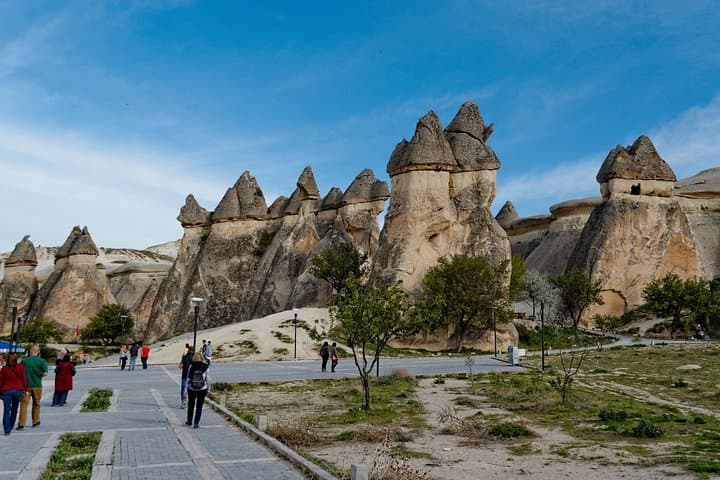
This private van tour compresses those layers into a single day (or spreads them over two). The pace is practical: short walks at viewpoints, guided stops for context, and longer visits at the Open Air Museum and Kaymakli. Your guide decodes fresco iconography, explains why the mushroom-shaped chimneys of Pasabag look like stacked hats, and points out carved dovecotes and pigeon houses that were once vital for fertilizer and communication.
Practical edge: stairs in underground cities are steep and dim—wear grippy shoes and be ready for narrow passages. Museums have seasonal closures and conserve fragile frescoes, so flash photography is often restricted and admission policies change. Avanos is the logical lunch stop—riverside cafés serve gözleme and kebabs and pottery workshops welcome quick demos. Start early to avoid midday heat in summer and to capture the light that sculpts the valleys.
The tour is family-friendly but requires moderate fitness; the private-van format keeps transitions efficient and allows hotel pickup across Cappadocia. For photographers, the best frames come from Uchisar at golden hour and the ridgelines above Devrent. Respect the carved sites—don’t touch frescoes, stay on paths, and limit drone use where prohibited. In return you’ll leave with a clearer sense of how geology, history and local craft combine to make Cappadocia a landscape that both demands patience and rewards curiosity.
The standard private tour runs about 6–8 hours for the one-day itinerary; a two-day option spreads highlights over two shorter days.
Admission fees to museums and underground cities are typically not included—bring cash or card to purchase tickets during the tour.
Yes—it's family-friendly, but underground sites have narrow passages and may not be suitable for very young children or those with mobility issues.
Yes—the tour includes hotel pickup and drop-off from centrally located Cappadocia hotels; confirm your pickup point when booking.
Multi-lingual guides are available upon request—note language needs during booking to confirm availability.
Museums and some sites observe closures on national and religious holidays (e.g., Jan 1, Ramadan and Eid dates, Oct 29); check dates before travel.
Guided Istanbul Tours operates guided outdoor trips and adventures with an emphasis on safety, stewardship, and memorable experiences.

Morning light pours across a moonscape—soft, pale rock rising into hoodoos that the wind and rain have sculpted into columns and caps. You step out of a private van in Göreme, the guide folding a paper map and pointing to the Goreme Open Air Museum where cave-church frescoes still hold the hush of early worship. Over the next few hours a vein of human history and strange geology threads through the day: Uchisar’s watchtower carving a skyline, the red-brown curve of the Kızılırmak at Avanos, and the subterranean hush of Kaymakli where staircases spiral into a city built to disappear.
Morning light pours across a moonscape—soft, pale rock rising into hoodoos that the wind and rain have sculpted into columns and caps. You step out of a private van in Göreme, the guide folding a paper map and pointing to the Goreme Open Air Museum where cave-church frescoes still hold the hush of early worship. Over the next few hours a vein of human history and strange geology threads through the day: Uchisar’s watchtower carving a skyline, the red-brown curve of the Kızılırmak at Avanos, and the subterranean hush of Kaymakli where staircases spiral into a city built to disappear.
Cappadocia is the visible record of volcanic fury and patient erosion. Millions of years ago ash from Erciyes, Hasan and Göllüdağ settled into soft tuff; later, water and wind carved chimneys and valleys. Humans seized that softness—digging rooms, churches and entire underground settlements used by Christians fleeing conquest, then repurposed across Byzantine and Seljuk eras. Avanos, where the Kızılırmak brings clay from the Anatolian interior, has spun pottery for millennia. In towns like Mustafapaşa (Sinasos) you can still see Greek mansions and Ottoman stonework that reflect the region’s shifting peoples.
This private van tour compresses those layers into a single day (or spreads them over two). The pace is practical: short walks at viewpoints, guided stops for context, and longer visits at the Open Air Museum and Kaymakli. Your guide decodes fresco iconography, explains why the mushroom-shaped chimneys of Pasabag look like stacked hats, and points out carved dovecotes and pigeon houses that were once vital for fertilizer and communication.
Practical edge: stairs in underground cities are steep and dim—wear grippy shoes and be ready for narrow passages. Museums have seasonal closures and conserve fragile frescoes, so flash photography is often restricted and admission policies change. Avanos is the logical lunch stop—riverside cafés serve gözleme and kebabs and pottery workshops welcome quick demos. Start early to avoid midday heat in summer and to capture the light that sculpts the valleys.
The tour is family-friendly but requires moderate fitness; the private-van format keeps transitions efficient and allows hotel pickup across Cappadocia. For photographers, the best frames come from Uchisar at golden hour and the ridgelines above Devrent. Respect the carved sites—don’t touch frescoes, stay on paths, and limit drone use where prohibited. In return you’ll leave with a clearer sense of how geology, history and local craft combine to make Cappadocia a landscape that both demands patience and rewards curiosity.