THE ADVENTURE COLLECTIVE® · Independent discovery and booking for outdoor travel

In five hours you can move from the airy lunar shapes of Devrent to the tight, lamp-lit rooms of Özkonak and the painted chapels of Göreme. This private tour packs geology, history and compact walks into a single, photo-ready day in Cappadocia.
In five hours you can move from the airy lunar shapes of Devrent to the tight, lamp-lit rooms of Özkonak and the painted chapels of Göreme. This private tour packs geology, history and compact walks into a single, photo-ready day in Cappadocia.
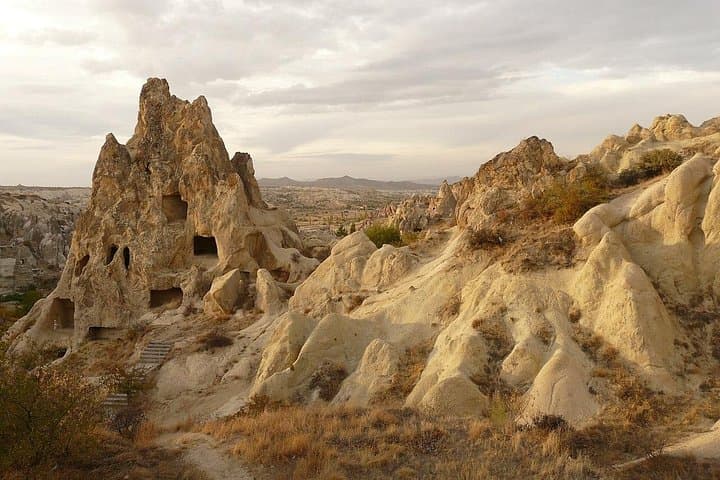
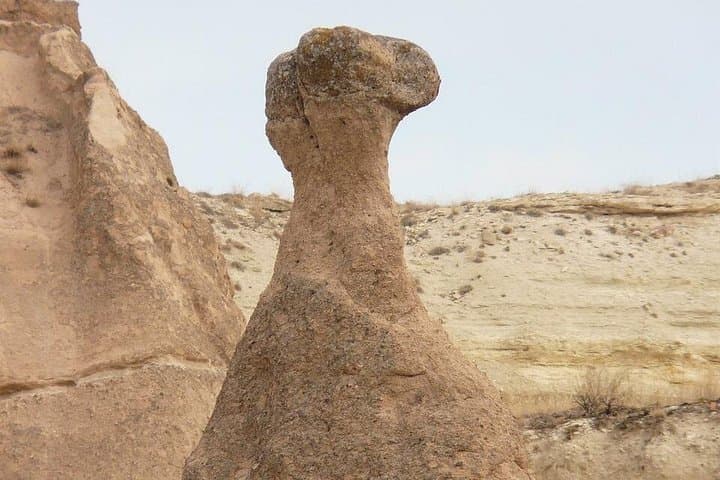
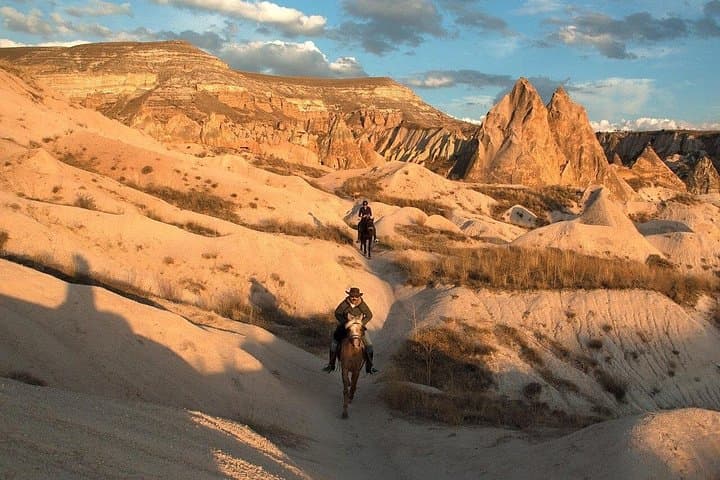
You step out of the air-conditioned van and the landscape seems to inhale around you—soft, ochre slopes giving way to columns of stone that lean like watchful figures. Wind and time have carved the volcanic tuff into chimneys, caps and mushroom crowns; the earth feels deliberate, as if it arranged the stage for human life and then helped hide it beneath layers of rock. The day begins at Kayseri Airport and moves through short drives and sharper surprises: Özkonak's subterranean rooms, Devrent's animal-shaped pillars, Paşabağı's towering hoodoos and the frescoed rooms of Göreme Open Air Museum.
Verified experiences and guided adventures in the surrounding area.
Operated by Deren Koray Tourism · Goreme, Nevşehir
You step out of the air-conditioned van and the landscape seems to inhale around you—soft, ochre slopes giving way to columns of stone that lean like watchful figures. Wind and time have carved the volcanic tuff into chimneys, caps and mushroom crowns; the earth feels deliberate, as if it arranged the stage for human life and then helped hide it beneath layers of rock. The day begins at Kayseri Airport and moves through short drives and sharper surprises: Özkonak's subterranean rooms, Devrent's animal-shaped pillars, Paşabağı's towering hoodoos and the frescoed rooms of Göreme Open Air Museum.
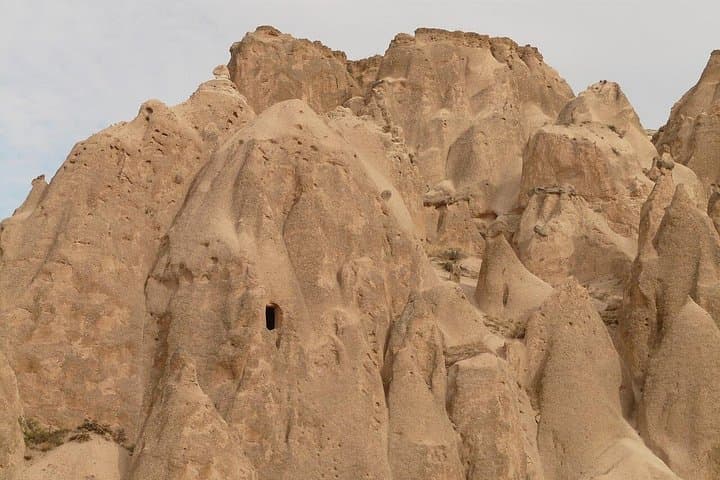
This route is a concentration of Cappadocia’s geology and history. Millions of years ago eruptions from Erciyes, Hasandağ and Güllüdağ blanketed central Anatolia in ash that solidified into tuff. Rain, frost and wind later sculpted the soft stone into pillars; harder basalt caps slowed erosion in places and left the iconic fairy chimneys. People followed the rock's invitation — carving homes, churches, granaries and whole underground cities into the soft stone. Özkonak and its neighbors were defensive complexes and communal refuges, repurposed across Roman, Byzantine and Ottoman eras.
Culturally, the region reads like a layered diary: Hittite trade routes, early Christian frescoes, and modern artisans in nearby Avanos weaving and throwing pottery from local clay. Travelers hear local guides speak of oil-lamp light in cave chapels and point out frescoes where saints still gesture across time. The Göreme Open Air Museum concentrates many of those gestures — narthexes, domes and worn pigments that survive only when visitors respect the surfaces and the conservation rules.
Practical guidance: this is a private, five-hour circuit with mostly short walks—expect several 0.5–2 km strolls on uneven volcanic tuff and stone-paved paths. Özkonak requires negotiating narrow staircases and low tunnels (roughly dozens of steps each way); it can feel tight for anyone with claustrophobia. Wear sturdy shoes with good tread and bring a reusable water bottle (bottled water is provided on board but refill to save waste). Start mid-morning for softer light at Devrent and warmer midday colors in Paşabağı; if you want aerial photos of the chimneys and valleys, plan an extra dawn hot-air balloon ride another morning.
Respect the sites: don’t touch frescoes, follow marked paths, and carry out any trash. With a little preparation — sensible shoes, layers for temperature swings, and a curiosity for geological time — Cappadocia gives back in spades: landscapes that feel alive, stories carved in stone and the odd, satisfying moment when a rock really does look like a camel.
The tour meets at Kayseri Airport with hotel pickups available in Göreme and surrounding towns; the itinerary returns to Kayseri for evening transfer.
Entrance to the Göreme Open Air Museum is typically included, but the Dark Church has an extra admission fee payable on site.
Yes—infants may sit on laps and infant seats are available, but parents should be prepared for stairs and some confined spaces in Özkonak.
No; Özkonak and similar subterranean sites have narrow passages and many stairs—guests with mobility limitations should inform the operator before booking.
Expect short walks at each stop—generally under 2 km per site—plus stair descents in underground sections; overall activity is light to moderate.
Lunch and bottled water are listed among inclusions, and the vehicle provides on-board WiFi and air conditioning during transfers.
Deren Koray Tourism operates guided outdoor trips and adventures with an emphasis on safety, stewardship, and memorable experiences.
You step out of the air-conditioned van and the landscape seems to inhale around you—soft, ochre slopes giving way to columns of stone that lean like watchful figures. Wind and time have carved the volcanic tuff into chimneys, caps and mushroom crowns; the earth feels deliberate, as if it arranged the stage for human life and then helped hide it beneath layers of rock. The day begins at Kayseri Airport and moves through short drives and sharper surprises: Özkonak's subterranean rooms, Devrent's animal-shaped pillars, Paşabağı's towering hoodoos and the frescoed rooms of Göreme Open Air Museum.
You step out of the air-conditioned van and the landscape seems to inhale around you—soft, ochre slopes giving way to columns of stone that lean like watchful figures. Wind and time have carved the volcanic tuff into chimneys, caps and mushroom crowns; the earth feels deliberate, as if it arranged the stage for human life and then helped hide it beneath layers of rock. The day begins at Kayseri Airport and moves through short drives and sharper surprises: Özkonak's subterranean rooms, Devrent's animal-shaped pillars, Paşabağı's towering hoodoos and the frescoed rooms of Göreme Open Air Museum.
This route is a concentration of Cappadocia’s geology and history. Millions of years ago eruptions from Erciyes, Hasandağ and Güllüdağ blanketed central Anatolia in ash that solidified into tuff. Rain, frost and wind later sculpted the soft stone into pillars; harder basalt caps slowed erosion in places and left the iconic fairy chimneys. People followed the rock's invitation — carving homes, churches, granaries and whole underground cities into the soft stone. Özkonak and its neighbors were defensive complexes and communal refuges, repurposed across Roman, Byzantine and Ottoman eras.
Culturally, the region reads like a layered diary: Hittite trade routes, early Christian frescoes, and modern artisans in nearby Avanos weaving and throwing pottery from local clay. Travelers hear local guides speak of oil-lamp light in cave chapels and point out frescoes where saints still gesture across time. The Göreme Open Air Museum concentrates many of those gestures — narthexes, domes and worn pigments that survive only when visitors respect the surfaces and the conservation rules.
Practical guidance: this is a private, five-hour circuit with mostly short walks—expect several 0.5–2 km strolls on uneven volcanic tuff and stone-paved paths. Özkonak requires negotiating narrow staircases and low tunnels (roughly dozens of steps each way); it can feel tight for anyone with claustrophobia. Wear sturdy shoes with good tread and bring a reusable water bottle (bottled water is provided on board but refill to save waste). Start mid-morning for softer light at Devrent and warmer midday colors in Paşabağı; if you want aerial photos of the chimneys and valleys, plan an extra dawn hot-air balloon ride another morning.
Respect the sites: don’t touch frescoes, follow marked paths, and carry out any trash. With a little preparation — sensible shoes, layers for temperature swings, and a curiosity for geological time — Cappadocia gives back in spades: landscapes that feel alive, stories carved in stone and the odd, satisfying moment when a rock really does look like a camel.