THE ADVENTURE COLLECTIVE® · Independent discovery and booking for outdoor travel

Move through Cappadocia’s moonlike valleys, cave churches, and pottery towns in a single, efficiently paced day—then sleep in a cool, carved cave hotel. This guided highlights tour pairs geology, history, and hands-on craft with practical logistics for first-time visitors.
Move through Cappadocia’s moonlike valleys, cave churches, and pottery towns in a single, efficiently paced day—then sleep in a cool, carved cave hotel. This guided highlights tour pairs geology, history, and hands-on craft with practical logistics for first-time visitors.
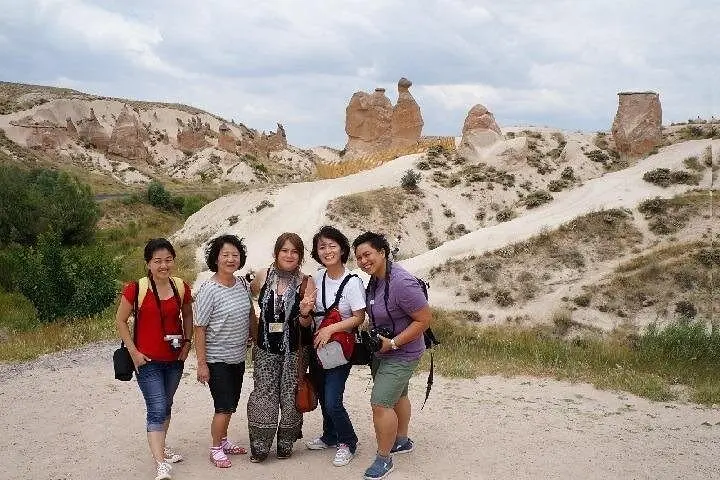
Sunrise in Cappadocia arrives like a slow exhale: low clouds wash the valleys in a pewter light, and the hollowed faces of fairy chimneys hold shadows like carved pockets. On this one-day highlights tour you move through that unusual landscape by road and on foot—two hours at the Göreme Open-Air Museum, a climb up Uçhisar Castle, a stroll through Devrent’s animal-shaped pillars, a close look at Paşabağ’s mushroom-like chimneys, and a pottery stop in Avanos—before checking into a cave hotel for the night.
Verified experiences and guided adventures in the surrounding area.
Operated by HTR Tours Travel Agency · Göreme, Nevşehir
Sunrise in Cappadocia arrives like a slow exhale: low clouds wash the valleys in a pewter light, and the hollowed faces of fairy chimneys hold shadows like carved pockets. On this one-day highlights tour you move through that unusual landscape by road and on foot—two hours at the Göreme Open-Air Museum, a climb up Uçhisar Castle, a stroll through Devrent’s animal-shaped pillars, a close look at Paşabağ’s mushroom-like chimneys, and a pottery stop in Avanos—before checking into a cave hotel for the night.
The region sits on a high Anatolian plateau near 1,000–1,200 meters elevation. Its geology began with volcanic eruptions that deposited layers of soft tuff; wind and rain then nudged those layers into the pinnacles and ridges visitors see today. Human habitation is part of the story: early Christians carved churches and monasteries into the tuff, leaving frescoed interiors that survive at Göreme and its surrounding rock-cut sanctuaries.
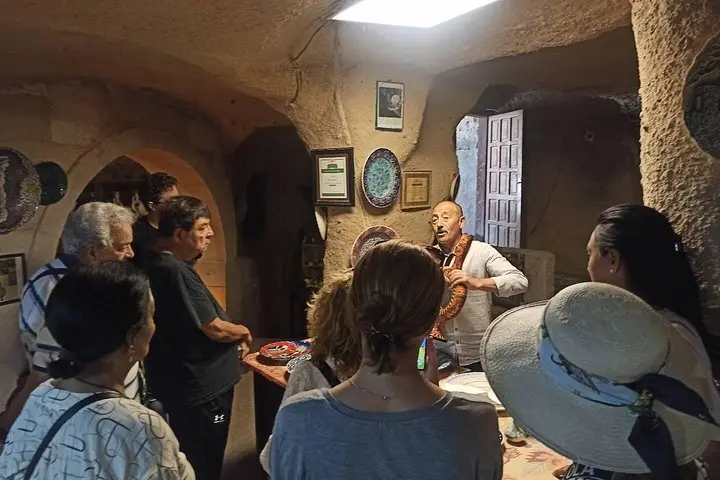
Culturally, Cappadocia is a crossroads. Avanos preserves a pottery craft passed down through generations—red clay from the Kızılırmak (Red River) is still shaped on simple wheels. Uçhisar, the highest natural rock fortress in the area, has served both defensive and domestic roles for centuries and now offers a panoramic orientation point for the valley network.
The tour balances hiking on uneven trails with bus transfers between points. Expect short to moderate walking: cobbled paths, carved stairways, and narrow cave church interiors that require bending and careful footing. Guides typically provide historical context and point out fresco details, but admission fees for sites such as the Open-Air Museum are usually not included—bring cash or card.
Practical tips: wear grippy shoes and sun protection; the plateau gets intense sun in summer and can be windy at any season. Time your visit for shoulder seasons—spring and fall offer milder temperatures and clearer light for photography. If you want the famous hot-air-balloon vistas, book a separate early-morning flight; this tour’s schedule focuses on ground highlights and a relaxed overnight in a cave-converted hotel.
The overnight cave stay is more than novelty: rooms are often cut into tuff, keeping a steady, cool interior temperature year-round. That means comfortable sleep after a day of steps and viewpoints. Whether you’re cataloging fresco pigments, trying a pottery wheel in Avanos, or watching the valleys from the top of Uçhisar, this itinerary gives a compact, practical introduction to what makes Cappadocia a uniquely tangible landscape—one that seems to reshape itself as you move through it.
No—admission is typically not included in the tour price; bring cash or card to pay on-site.
Expect multiple short walks totaling a few kilometers across uneven surfaces and stairways—nothing technical, but wear good shoes.
Yes—pickup and drop-off are provided in Cappadocia hotels across Göreme, Uçhisar, Ürgüp, Avanos, Ortahisar, and surrounding towns.
Most cave hotels offer modern comforts, but rooms can have steps and narrow passages—check accessibility needs with the operator.
Lunch is included during the day; check with the operator for dietary requirements ahead of time.
No—hot-air-balloon flights are separate; book early-morning flights independently if you want that experience.
HTR Tours Travel Agency operates guided outdoor trips and adventures with an emphasis on safety, stewardship, and memorable experiences.
Sunrise in Cappadocia arrives like a slow exhale: low clouds wash the valleys in a pewter light, and the hollowed faces of fairy chimneys hold shadows like carved pockets. On this one-day highlights tour you move through that unusual landscape by road and on foot—two hours at the Göreme Open-Air Museum, a climb up Uçhisar Castle, a stroll through Devrent’s animal-shaped pillars, a close look at Paşabağ’s mushroom-like chimneys, and a pottery stop in Avanos—before checking into a cave hotel for the night.
Sunrise in Cappadocia arrives like a slow exhale: low clouds wash the valleys in a pewter light, and the hollowed faces of fairy chimneys hold shadows like carved pockets. On this one-day highlights tour you move through that unusual landscape by road and on foot—two hours at the Göreme Open-Air Museum, a climb up Uçhisar Castle, a stroll through Devrent’s animal-shaped pillars, a close look at Paşabağ’s mushroom-like chimneys, and a pottery stop in Avanos—before checking into a cave hotel for the night.
The region sits on a high Anatolian plateau near 1,000–1,200 meters elevation. Its geology began with volcanic eruptions that deposited layers of soft tuff; wind and rain then nudged those layers into the pinnacles and ridges visitors see today. Human habitation is part of the story: early Christians carved churches and monasteries into the tuff, leaving frescoed interiors that survive at Göreme and its surrounding rock-cut sanctuaries.
Culturally, Cappadocia is a crossroads. Avanos preserves a pottery craft passed down through generations—red clay from the Kızılırmak (Red River) is still shaped on simple wheels. Uçhisar, the highest natural rock fortress in the area, has served both defensive and domestic roles for centuries and now offers a panoramic orientation point for the valley network.
The tour balances hiking on uneven trails with bus transfers between points. Expect short to moderate walking: cobbled paths, carved stairways, and narrow cave church interiors that require bending and careful footing. Guides typically provide historical context and point out fresco details, but admission fees for sites such as the Open-Air Museum are usually not included—bring cash or card.
Practical tips: wear grippy shoes and sun protection; the plateau gets intense sun in summer and can be windy at any season. Time your visit for shoulder seasons—spring and fall offer milder temperatures and clearer light for photography. If you want the famous hot-air-balloon vistas, book a separate early-morning flight; this tour’s schedule focuses on ground highlights and a relaxed overnight in a cave-converted hotel.
The overnight cave stay is more than novelty: rooms are often cut into tuff, keeping a steady, cool interior temperature year-round. That means comfortable sleep after a day of steps and viewpoints. Whether you’re cataloging fresco pigments, trying a pottery wheel in Avanos, or watching the valleys from the top of Uçhisar, this itinerary gives a compact, practical introduction to what makes Cappadocia a uniquely tangible landscape—one that seems to reshape itself as you move through it.