THE ADVENTURE COLLECTIVE® · Independent discovery and booking for outdoor travel

Ride through Cappadocia's volcanic valleys at a measured pace—sunset and daily tours put you among fairy chimneys, cave churches and quiet tracks unreachable on foot. Practical guidance and local context help you prepare for uneven terrain and dramatic light.
Ride through Cappadocia's volcanic valleys at a measured pace—sunset and daily tours put you among fairy chimneys, cave churches and quiet tracks unreachable on foot. Practical guidance and local context help you prepare for uneven terrain and dramatic light.
A slow clip-clop carries you across a basalt plain as the sun slides behind ribbed cones of volcanic tuff. The horse's breath fogs in cool mornings; at sunset the valley exhales gold. Riders move through narrow gullies where the tall, weather-carved pillars—called fairy chimneys—stand like patient guards, and low trails lead to pockets of cave-churches and unexpected viewpoints.
Verified experiences and guided adventures in the surrounding area.
Operated by Over Cappadocia Travel Agency · Göreme, Nevşehir Province
A slow clip-clop carries you across a basalt plain as the sun slides behind ribbed cones of volcanic tuff. The horse's breath fogs in cool mornings; at sunset the valley exhales gold. Riders move through narrow gullies where the tall, weather-carved pillars—called fairy chimneys—stand like patient guards, and low trails lead to pockets of cave-churches and unexpected viewpoints.
Cappadocia's landscape is the product of ancient eruptions and millennia of erosion; soft tuff made it simple for early inhabitants to carve homes and chapels into the rock. The region shifted through Hittite, Persian and Byzantine hands, leaving a mixed cultural footprint you glimpse in ruined villages and frescoed cave façades. Local stables keep an equestrian tradition alive—the area was historically known for sturdy Anatolian breeds—and many companies emphasize humane handling and matched mounts.
On a typical 2–3 hour daily or sunset ride, guides steer across volcanic ridgelines, through Rose and Zemi Valleys, and toward quieter gullies unreachable on foot. Expect uneven terrain, loose scree and short climbs that demand steady balance more than advanced skill. Helmets and bottled water are commonly provided; wear closed-toe shoes, layered clothing for wind and sun, and bring a small daypack for camera gear.
Aim for early morning or late afternoon to avoid midday heat and harsh light. Follow your guide, respect the animals, and leave no trace—this landscape erodes and recovers slowly. The reward is simple: pace, perspective, and the kind of silence only open country can offer.
No—operators typically match mounts to rider ability and brief you on basic controls; however, comfort with horses and basic balance helps.
Yes—most tours include helmets, but you can bring your own if you prefer a personal fit.
Many operators accept older children with prior riding experience; check age and weight limits with the provider before booking.
Tours may be canceled in heavy rain or unsafe conditions; providers usually offer refunds or rescheduling if they cancel.
Over Cappadocia Travel Agency operates guided outdoor trips and adventures with an emphasis on safety, stewardship, and memorable experiences.
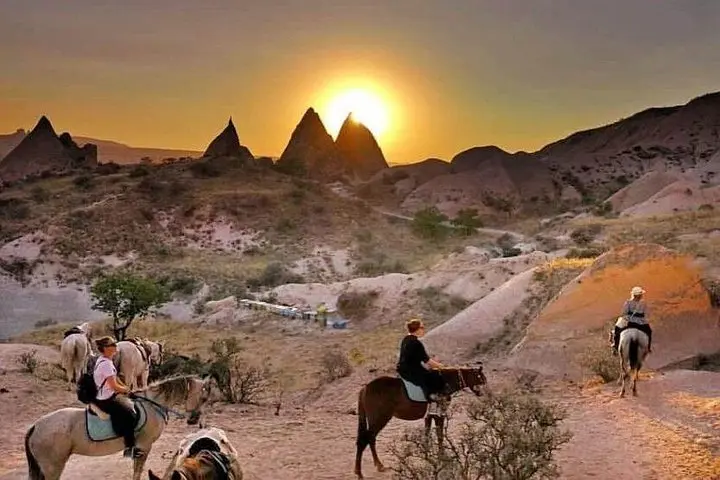
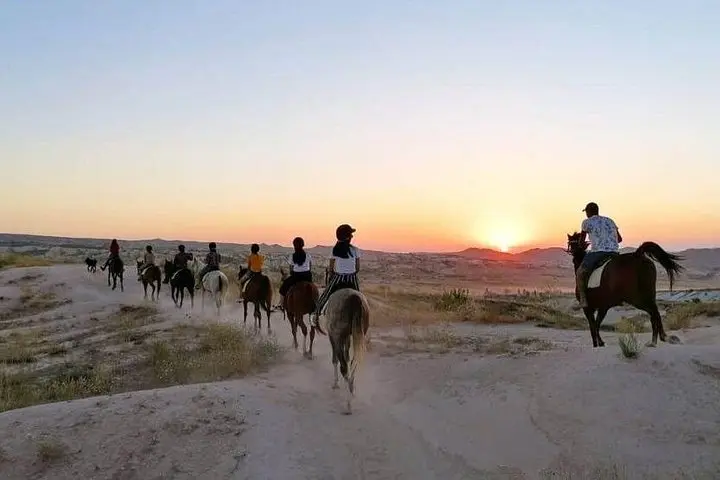
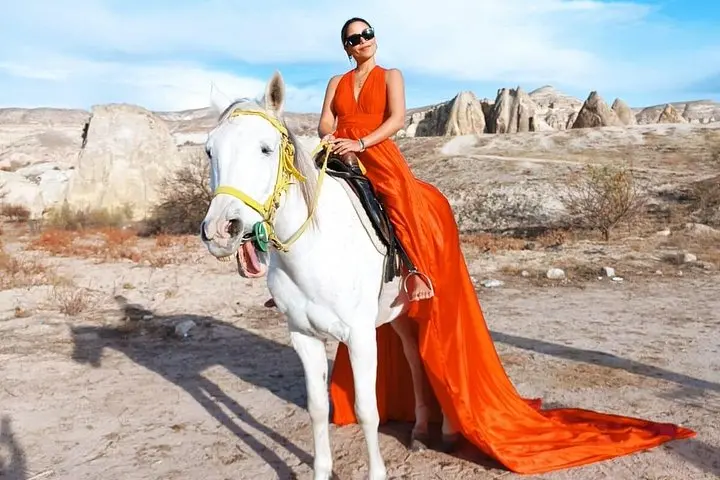
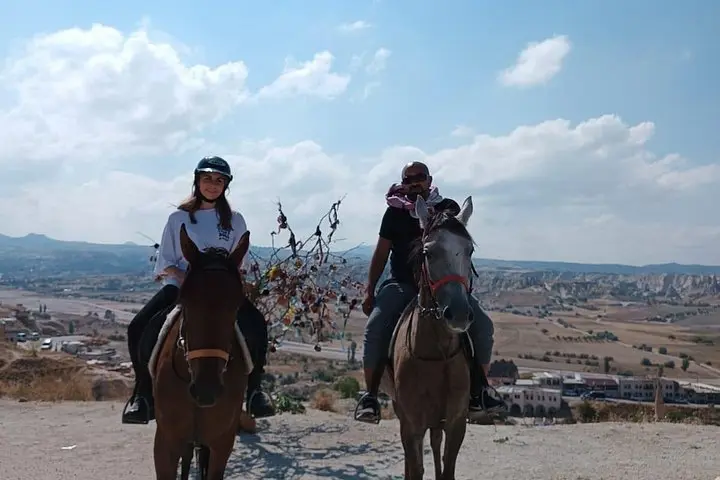
A slow clip-clop carries you across a basalt plain as the sun slides behind ribbed cones of volcanic tuff. The horse's breath fogs in cool mornings; at sunset the valley exhales gold. Riders move through narrow gullies where the tall, weather-carved pillars—called fairy chimneys—stand like patient guards, and low trails lead to pockets of cave-churches and unexpected viewpoints.
A slow clip-clop carries you across a basalt plain as the sun slides behind ribbed cones of volcanic tuff. The horse's breath fogs in cool mornings; at sunset the valley exhales gold. Riders move through narrow gullies where the tall, weather-carved pillars—called fairy chimneys—stand like patient guards, and low trails lead to pockets of cave-churches and unexpected viewpoints.
Cappadocia's landscape is the product of ancient eruptions and millennia of erosion; soft tuff made it simple for early inhabitants to carve homes and chapels into the rock. The region shifted through Hittite, Persian and Byzantine hands, leaving a mixed cultural footprint you glimpse in ruined villages and frescoed cave façades. Local stables keep an equestrian tradition alive—the area was historically known for sturdy Anatolian breeds—and many companies emphasize humane handling and matched mounts.
On a typical 2–3 hour daily or sunset ride, guides steer across volcanic ridgelines, through Rose and Zemi Valleys, and toward quieter gullies unreachable on foot. Expect uneven terrain, loose scree and short climbs that demand steady balance more than advanced skill. Helmets and bottled water are commonly provided; wear closed-toe shoes, layered clothing for wind and sun, and bring a small daypack for camera gear.
Aim for early morning or late afternoon to avoid midday heat and harsh light. Follow your guide, respect the animals, and leave no trace—this landscape erodes and recovers slowly. The reward is simple: pace, perspective, and the kind of silence only open country can offer.