THE ADVENTURE COLLECTIVE® · Independent discovery and booking for outdoor travel

Race hot-air balloons over fairy chimneys, walk barefoot across Pamukkale’s white travertine and trace marble avenues at Ephesus on a compact four-day itinerary that mixes geology, history and hands-on culture.
Race hot-air balloons over fairy chimneys, walk barefoot across Pamukkale’s white travertine and trace marble avenues at Ephesus on a compact four-day itinerary that mixes geology, history and hands-on culture.
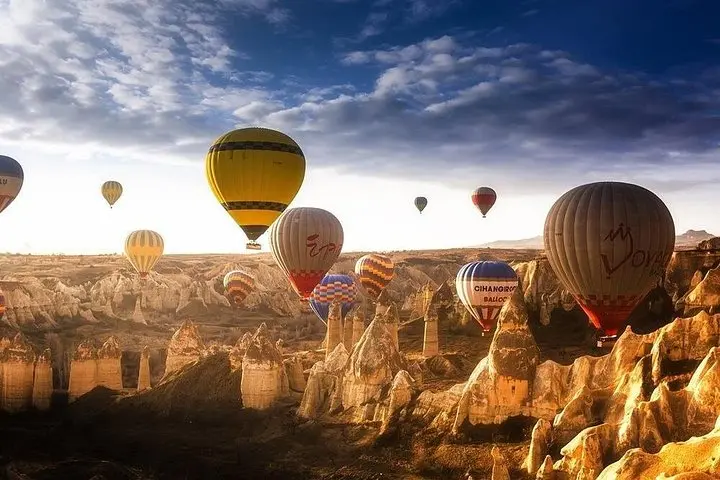
You step out before dawn and the valley exhales: cool, mineral-scented air rising from white terraces, chimneys of eroded tuff catching the first light. This four-day package reads like a sampler of Turkey’s best hits — Pamukkale’s milky travertines and Roman ruins, the marble grandeur of Ephesus, the wine-smudged lanes of Şirince, and Cappadocia’s lunar valleys where balloons prick the sky. The itinerary moves fast, but it’s designed so each place hits with the right balance of context and time to breathe.
Verified experiences and guided adventures in the surrounding area.
Operated by Turkey Experiences · Göreme, Nevşehir
You step out before dawn and the valley exhales: cool, mineral-scented air rising from white terraces, chimneys of eroded tuff catching the first light. This four-day package reads like a sampler of Turkey’s best hits — Pamukkale’s milky travertines and Roman ruins, the marble grandeur of Ephesus, the wine-smudged lanes of Şirince, and Cappadocia’s lunar valleys where balloons prick the sky. The itinerary moves fast, but it’s designed so each place hits with the right balance of context and time to breathe.
Pamukkale and ancient Hierapolis tell a layered story: thermal springs deposited calcium carbonate over millennia, building the white ledges you’ll walk barefoot. Nearby Hierapolis grew into a Roman spa city with baths, a theater and necropolis stones that still keep their inscriptions. Ephesus, once an Aegean port and famed for the Celsus Library, feels like walking into the social heart of the ancient Mediterranean—marble streets, grand façades and the theater where Romans gathered.
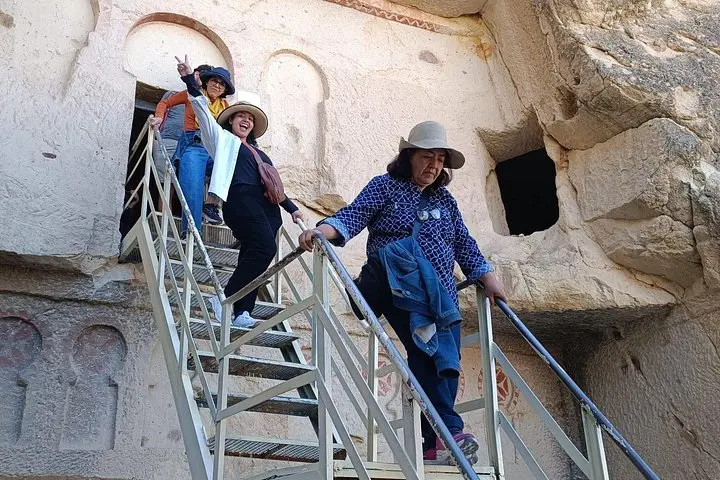
By the time you fly inland to Cappadocia the geology switches from limestone terraces to wind-carved tuff. Volcanic ash compacted into soft rock was carved by humans and water alike: whole churches, houses and cave monasteries hollowed from the stone, frescoed by Byzantine artists. Avanos keeps a different kind of hands-on history — pottery made from Kızılırmak clay continues a craft with Hittite roots. Local culture is tangible: shared meals, craftsmen’s cooperatives and small cooperative-run workshops pepper the route.
Practical edge: this is a multi-site, multi-mode tour with hotel transfers and internal flights built in. Expect a steady pace — several guided walks of 45–90 minutes, short drives between sites and one optional hot-air balloon ride if you choose the higher package. The Pamukkale terraces require you to remove footwear; pack a thin pair of socks if your feet are sensitive. In Cappadocia some stops are panoramic rather than interior visits due to safety and walking constraints, but the included ATV ride and optional balloon give a sense of scale you can’t get from a bus window.
Plan for temperature swings: mornings in the valleys can be near-freezing in shoulder seasons; afternoons inland can feel Mediterranean-warm. Bring layered clothing, sturdy walking shoes, a sun hat, and a refillable water bottle. Reserve hot-air balloon seats well in advance — they sell out and are weather-dependent. If you want time to linger, consider adding extra nights in Göreme or Kusadasi; the tour covers big highlights but leaves some corners for a second round of discovery.
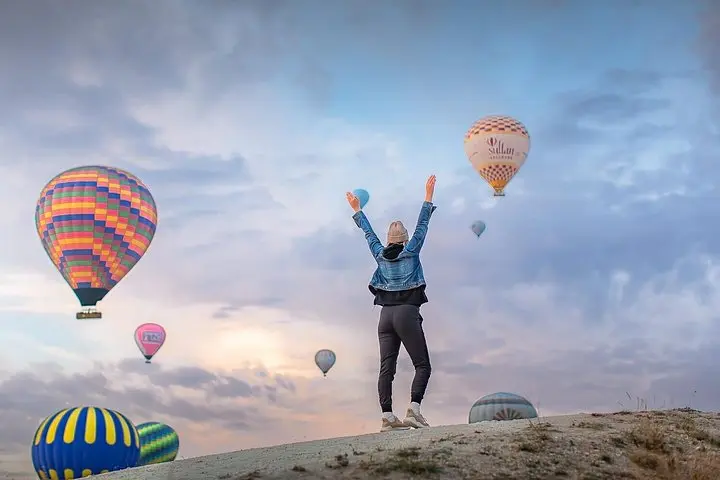
Balloon flights are optional for some package tiers; the Gold and Diamond options usually include it—confirm at booking and reserve early.
Yes—walking the travertine terraces requires bare feet; bring thin socks if your feet are sensitive and follow posted route restrictions.
Yes—this package includes internal flights and hotel pick-up/drop-off within the listed Cappadocia towns, as described in the itinerary.
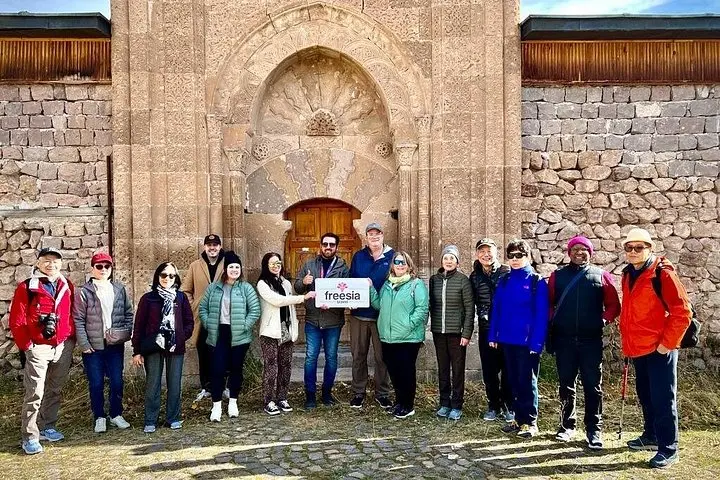
Semi-private tours are limited to a maximum of 10 guests per group for guided days, allowing more focused interpretation at major sites.
Local restaurants provide options—notify the operator at booking so they can arrange vegetarian or other necessary meals.
Many sites include uneven paths, stairs and required barefoot sections; it’s not recommended for travelers with serious spinal, heart or mobility problems.
Turkey Experiences operates guided outdoor trips and adventures with an emphasis on safety, stewardship, and memorable experiences.
You step out before dawn and the valley exhales: cool, mineral-scented air rising from white terraces, chimneys of eroded tuff catching the first light. This four-day package reads like a sampler of Turkey’s best hits — Pamukkale’s milky travertines and Roman ruins, the marble grandeur of Ephesus, the wine-smudged lanes of Şirince, and Cappadocia’s lunar valleys where balloons prick the sky. The itinerary moves fast, but it’s designed so each place hits with the right balance of context and time to breathe.
You step out before dawn and the valley exhales: cool, mineral-scented air rising from white terraces, chimneys of eroded tuff catching the first light. This four-day package reads like a sampler of Turkey’s best hits — Pamukkale’s milky travertines and Roman ruins, the marble grandeur of Ephesus, the wine-smudged lanes of Şirince, and Cappadocia’s lunar valleys where balloons prick the sky. The itinerary moves fast, but it’s designed so each place hits with the right balance of context and time to breathe.
Pamukkale and ancient Hierapolis tell a layered story: thermal springs deposited calcium carbonate over millennia, building the white ledges you’ll walk barefoot. Nearby Hierapolis grew into a Roman spa city with baths, a theater and necropolis stones that still keep their inscriptions. Ephesus, once an Aegean port and famed for the Celsus Library, feels like walking into the social heart of the ancient Mediterranean—marble streets, grand façades and the theater where Romans gathered.
By the time you fly inland to Cappadocia the geology switches from limestone terraces to wind-carved tuff. Volcanic ash compacted into soft rock was carved by humans and water alike: whole churches, houses and cave monasteries hollowed from the stone, frescoed by Byzantine artists. Avanos keeps a different kind of hands-on history — pottery made from Kızılırmak clay continues a craft with Hittite roots. Local culture is tangible: shared meals, craftsmen’s cooperatives and small cooperative-run workshops pepper the route.
Practical edge: this is a multi-site, multi-mode tour with hotel transfers and internal flights built in. Expect a steady pace — several guided walks of 45–90 minutes, short drives between sites and one optional hot-air balloon ride if you choose the higher package. The Pamukkale terraces require you to remove footwear; pack a thin pair of socks if your feet are sensitive. In Cappadocia some stops are panoramic rather than interior visits due to safety and walking constraints, but the included ATV ride and optional balloon give a sense of scale you can’t get from a bus window.
Plan for temperature swings: mornings in the valleys can be near-freezing in shoulder seasons; afternoons inland can feel Mediterranean-warm. Bring layered clothing, sturdy walking shoes, a sun hat, and a refillable water bottle. Reserve hot-air balloon seats well in advance — they sell out and are weather-dependent. If you want time to linger, consider adding extra nights in Göreme or Kusadasi; the tour covers big highlights but leaves some corners for a second round of discovery.