THE ADVENTURE COLLECTIVE® · Independent discovery and booking for outdoor travel

Combine Cappadocia’s Red and Green routes in a single private day trip—walk between fairy chimneys, peer into cave churches, and descend into Kaymakli’s 4,000-year underground city. Perfect for travelers who want geological wonder and tangible history without the logistical fuss.
Combine Cappadocia’s Red and Green routes in a single private day trip—walk between fairy chimneys, peer into cave churches, and descend into Kaymakli’s 4,000-year underground city. Perfect for travelers who want geological wonder and tangible history without the logistical fuss.
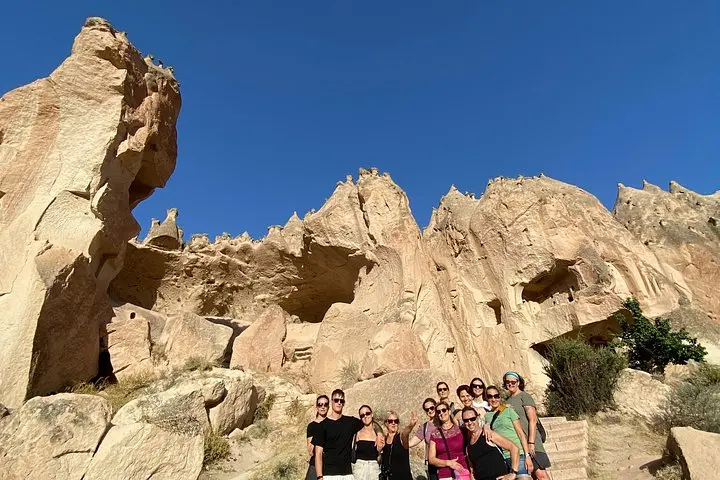
You step out of the minivan before dawn and the plateau exhales cold air; roofs of cave hotels glare with sleeping lights, and distant balloons puncture the pale sky. The first path pulls you into a valley where soft volcanic rock has been patient for millions of years—wind and rain have carved pillars and mushrooms that lean like old friends pointing the way.
Verified experiences and guided adventures in the surrounding area.
Operated by Tour Guide Emrullah · Goreme, Nevşehir
You step out of the minivan before dawn and the plateau exhales cold air; roofs of cave hotels glare with sleeping lights, and distant balloons puncture the pale sky. The first path pulls you into a valley where soft volcanic rock has been patient for millions of years—wind and rain have carved pillars and mushrooms that lean like old friends pointing the way.
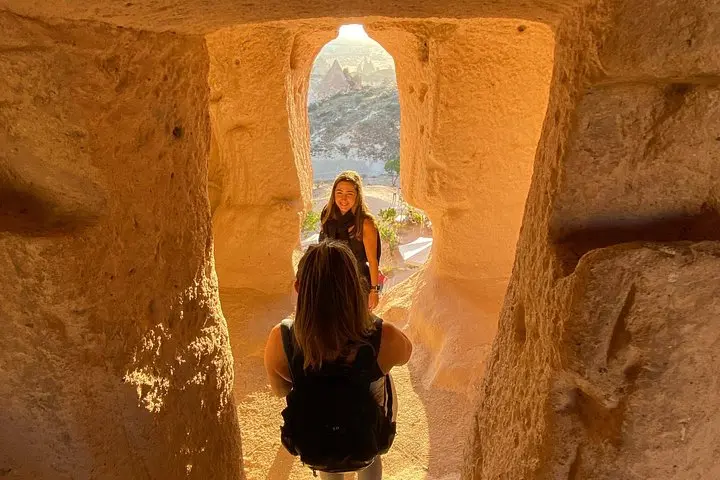
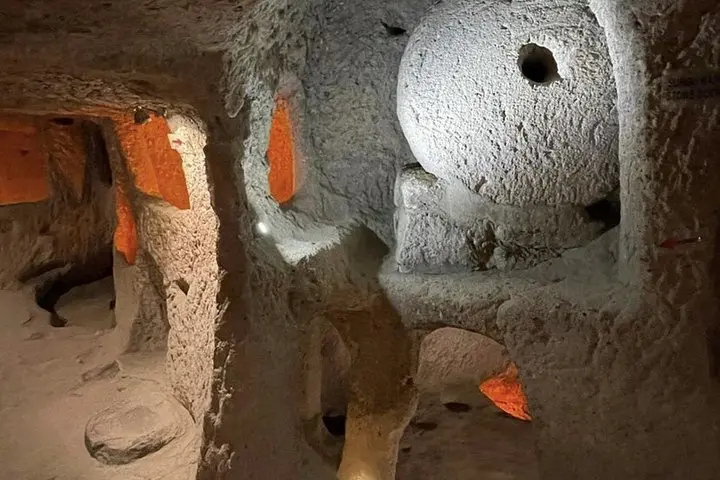
This private Red & Green mix stitches two of Cappadocia’s classic circuits into a single day: the open-air geology and shepherd trails of the Red side and the subterranean, human-made labyrinths of the Green. The Red route threads through valleys of pink-and-ochre tuff—Göreme Open-Air Museum and Pasabag’s fairy chimneys—places where Byzantine cave churches were hewn into stone and painted with hymn-like frescoes. The Green half leads deeper into human history: Kaymakli’s underground city, a 4,000-year palimpsest of tunnels, stables, and ventilation shafts where Anatolian communities sheltered through times of siege.
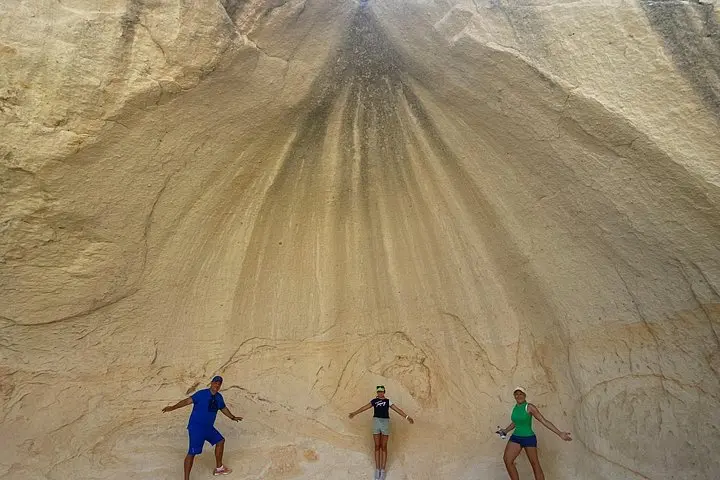
Geology here is blunt and eloquent. Millions of years of volcanic ash compacted into tuff, then sculpted by erosion, produced the spires and hoodoos that make the landscape unusual and fragile. Culturally, Cappadocia has been a crossroads—Hittites, Persians, early Christians—each leaving an imprint in cave dwellings and rock-cut monasteries.
Local guides will point out small, human-scale details often missed from the road: the soot-black hearths inside family caves, the pigeon houses carved into cliffs to collect guano as fertilizer, and the dry-stone terraces that dot otherwise spare fields.
Practical side: the tour runs from roughly 4–6 hours depending on your stops, and includes private transportation and parking fees. Expect light walking on uneven, dusty trails and steps in underground passages—elevation sits around 1,000 m with short ups and downs rather than sustained climbs. Wear sturdy shoes with traction; bring a refillable water bottle, hat, and sunscreen. Some wind will always be present; a lightweight layer is useful in morning and evening. If you choose the option with a guide you’ll gain historical context and route flexibility; if you opt for driver-only you still get door-to-door logistics.
Timing matters: arrive for early morning views and avoid the hottest midday if you prefer walking. Respect signs—climbing on fragile formations is prohibited and accelerates erosion. Photography is rewarding across the day—sunrise for balloon silhouettes, late afternoon for warm light on chimneys.
This mixed private tour is a compact way to see Cappadocia’s geological drama and deep history in one practical, customizable day—bring curiosity, sensible footwear and a full water bottle, and the landscape will hand you a story to carry home.
Admission to Kaymakli is typically not included—expect a small entrance fee at the site; your operator can confirm current prices.
Yes—this private tour can be tailored; tell the supplier your priorities before booking to adjust time at viewpoints or skip shopping stops.
No—balloon flights are separate, weather-dependent experiences; this land tour offers viewpoints to photograph balloons but not the flight itself.
Generally yes—walking is moderate, but underground passages have low ceilings and stairs; mobility issues may limit access to some areas.
Carry your passport when visiting UNESCO sites and have travel insurance that covers cancellation and medical care—standard practice for international travel.
Meals are not typically included; you can request stops at local cafés or pack snacks—operators often accommodate food stops on private tours.
Tour Guide Emrullah operates guided outdoor trips and adventures with an emphasis on safety, stewardship, and memorable experiences.
You step out of the minivan before dawn and the plateau exhales cold air; roofs of cave hotels glare with sleeping lights, and distant balloons puncture the pale sky. The first path pulls you into a valley where soft volcanic rock has been patient for millions of years—wind and rain have carved pillars and mushrooms that lean like old friends pointing the way.
You step out of the minivan before dawn and the plateau exhales cold air; roofs of cave hotels glare with sleeping lights, and distant balloons puncture the pale sky. The first path pulls you into a valley where soft volcanic rock has been patient for millions of years—wind and rain have carved pillars and mushrooms that lean like old friends pointing the way.
This private Red & Green mix stitches two of Cappadocia’s classic circuits into a single day: the open-air geology and shepherd trails of the Red side and the subterranean, human-made labyrinths of the Green. The Red route threads through valleys of pink-and-ochre tuff—Göreme Open-Air Museum and Pasabag’s fairy chimneys—places where Byzantine cave churches were hewn into stone and painted with hymn-like frescoes. The Green half leads deeper into human history: Kaymakli’s underground city, a 4,000-year palimpsest of tunnels, stables, and ventilation shafts where Anatolian communities sheltered through times of siege.
Geology here is blunt and eloquent. Millions of years of volcanic ash compacted into tuff, then sculpted by erosion, produced the spires and hoodoos that make the landscape unusual and fragile. Culturally, Cappadocia has been a crossroads—Hittites, Persians, early Christians—each leaving an imprint in cave dwellings and rock-cut monasteries.
Local guides will point out small, human-scale details often missed from the road: the soot-black hearths inside family caves, the pigeon houses carved into cliffs to collect guano as fertilizer, and the dry-stone terraces that dot otherwise spare fields.
Practical side: the tour runs from roughly 4–6 hours depending on your stops, and includes private transportation and parking fees. Expect light walking on uneven, dusty trails and steps in underground passages—elevation sits around 1,000 m with short ups and downs rather than sustained climbs. Wear sturdy shoes with traction; bring a refillable water bottle, hat, and sunscreen. Some wind will always be present; a lightweight layer is useful in morning and evening. If you choose the option with a guide you’ll gain historical context and route flexibility; if you opt for driver-only you still get door-to-door logistics.
Timing matters: arrive for early morning views and avoid the hottest midday if you prefer walking. Respect signs—climbing on fragile formations is prohibited and accelerates erosion. Photography is rewarding across the day—sunrise for balloon silhouettes, late afternoon for warm light on chimneys.
This mixed private tour is a compact way to see Cappadocia’s geological drama and deep history in one practical, customizable day—bring curiosity, sensible footwear and a full water bottle, and the landscape will hand you a story to carry home.