THE ADVENTURE COLLECTIVE® · Independent discovery and booking for outdoor travel

Drive through the sculpted heart of Cappadocia on a private 5–6 hour tour with a licensed local guide. Visit Devrent and Pasabag valleys, try pottery in Avanos, and explore Göreme’s rock-cut churches, all with flexible pickup and a tailored pace.
Drive through the sculpted heart of Cappadocia on a private 5–6 hour tour with a licensed local guide. Visit Devrent and Pasabag valleys, try pottery in Avanos, and explore Göreme’s rock-cut churches, all with flexible pickup and a tailored pace.
At dawn the landscape changes like a slow film: rock spires bleed from shadow to rose as your private car threads narrow lanes toward the valleys. The guide opens a map in the seat next to you, not a tourist brochure but a practised route—short walks, viewpoint stops and the quieter corners the big buses miss. For five to six hours you move through time as much as terrain: driving between Devrent’s fanciful pillars, Pasabag’s mushroom chimneys, the pottery town of Avanos and the carved churches of Göreme and Uchisar.
Verified experiences and guided adventures in the surrounding area.
Operated by Apono Travel · Göreme, Nevşehir
At dawn the landscape changes like a slow film: rock spires bleed from shadow to rose as your private car threads narrow lanes toward the valleys. The guide opens a map in the seat next to you, not a tourist brochure but a practised route—short walks, viewpoint stops and the quieter corners the big buses miss. For five to six hours you move through time as much as terrain: driving between Devrent’s fanciful pillars, Pasabag’s mushroom chimneys, the pottery town of Avanos and the carved churches of Göreme and Uchisar.
Cappadocia’s geology is blunt and patient. Millions of years of volcanic ash compacted into tuff, then wind and rain and human hands carved hollows and towers. People began using the soft rock in Hittite and later Byzantine eras; rock-cut churches in Göreme preserve frescoes from the 9th–13th centuries. The region’s history reads in layers—ancient trade routes, monastic communities, and villages retooled into boutique cave hotels.
Culture here is practical and creative. In Avanos, a potter’s wheel still hums the same rhythm it did centuries ago; clay from the Kızılırmak River makes vessels both everyday and ceremonial. Guides often include a studio visit where you can try the wheel, a tactile link to local craft traditions.
The tour rhythm is straightforward: mostly driving with short on-foot explorations. Devrent (often called Imagination Valley) invites a 20–30 minute stroll across compact, uneven ground; Pasabag offers flat but rocky paths around the chimneys; Göreme Open Air Museum involves stairways and low-ceilinged chapels that require careful steps; Uchisar’s castle is a short climb with panoramic payoff. Elevation changes are modest—expect several hundred feet of ascent split across brief climbs rather than a continuous uphill.
Practical planning: schedule the tour early in the day to avoid heat and crowds, and ask for hotel pickup since this private option covers most Cappadocia accommodations. Wear grippy shoes for short, rocky walks; bring water and sunscreen—the high plateau can be deceptively dry. If you want pottery demonstrations or specific archaeological stops, request them when booking; private guides can tailor the itinerary.
This is a tour for travelers who want context with their photos: geological explanation at every outcrop, cultural stories at each village and a guide who can pace the day around naps, balloon schedules and your curiosity. It’s less about ticking boxes and more about moving through a landscape that keeps nudging you forward—rock chimneys pointing the way like low, stubborn lighthouses.
The private tour lasts about 5–6 hours; pickup is flexible—most travelers opt for early morning (7–9am) to avoid heat and crowds.
Admission is typically not included in the base price; your guide will advise on current ticket costs and can handle logistics if requested.
Tips are appreciated; a guideline is 10–15% of the tour cost or a modest cash amount per traveler depending on service.
Yes—this private option allows you to request specific stops like a pottery workshop in Avanos or extra time at certain sites when booking.
Yes, but inform the operator of mobility needs; there are short climbs and low-ceilinged chapels at some sites that may be awkward for very young children or those with limited mobility.
No—balloon flights are separate morning activities; your guide can advise on scheduling and recommend operators if you want to book a flight.
Apono Travel operates guided outdoor trips and adventures with an emphasis on safety, stewardship, and memorable experiences.
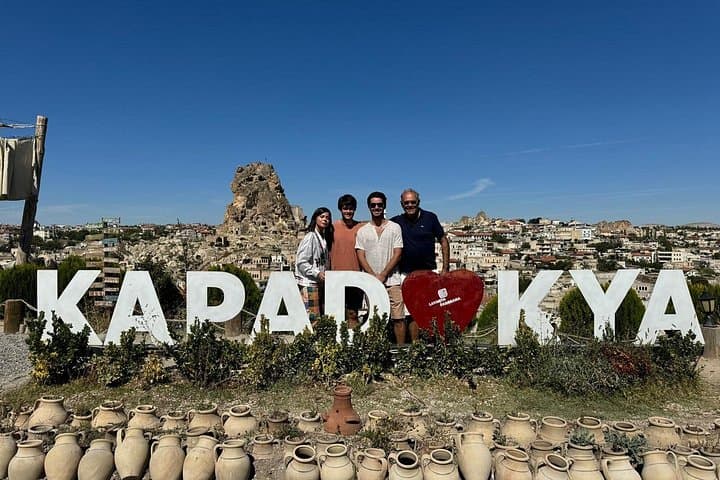
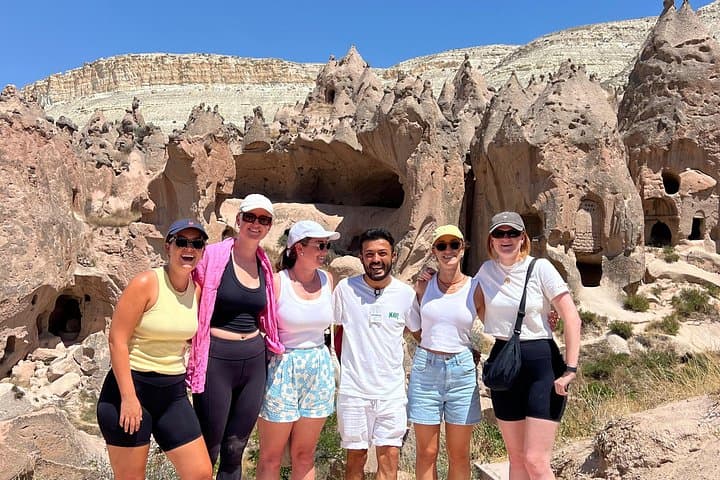
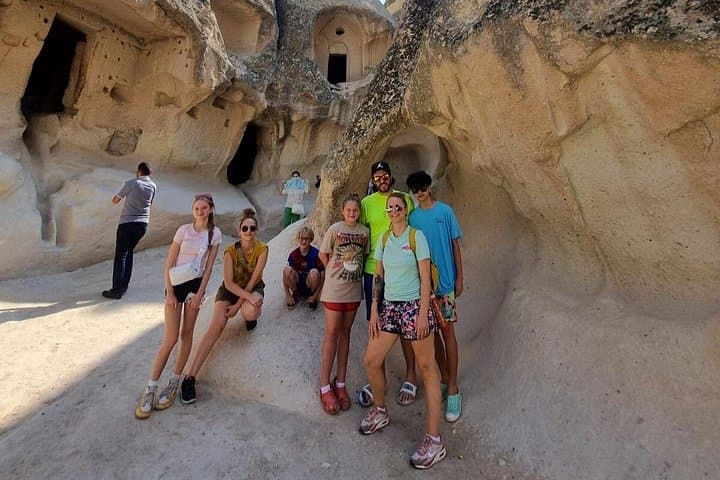
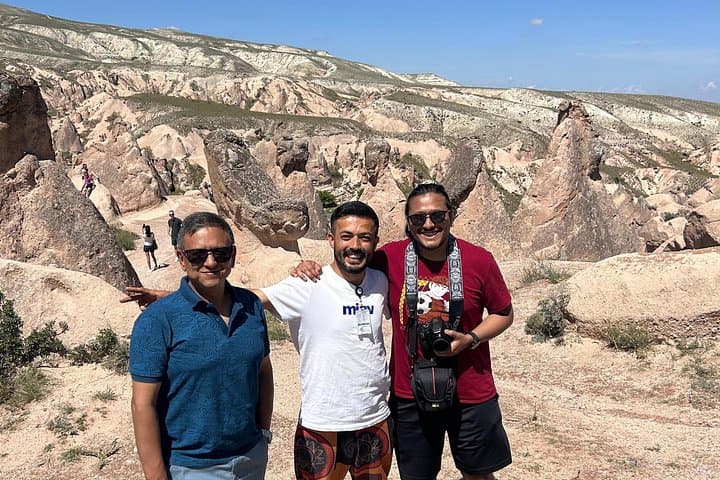
At dawn the landscape changes like a slow film: rock spires bleed from shadow to rose as your private car threads narrow lanes toward the valleys. The guide opens a map in the seat next to you, not a tourist brochure but a practised route—short walks, viewpoint stops and the quieter corners the big buses miss. For five to six hours you move through time as much as terrain: driving between Devrent’s fanciful pillars, Pasabag’s mushroom chimneys, the pottery town of Avanos and the carved churches of Göreme and Uchisar.
At dawn the landscape changes like a slow film: rock spires bleed from shadow to rose as your private car threads narrow lanes toward the valleys. The guide opens a map in the seat next to you, not a tourist brochure but a practised route—short walks, viewpoint stops and the quieter corners the big buses miss. For five to six hours you move through time as much as terrain: driving between Devrent’s fanciful pillars, Pasabag’s mushroom chimneys, the pottery town of Avanos and the carved churches of Göreme and Uchisar.
Cappadocia’s geology is blunt and patient. Millions of years of volcanic ash compacted into tuff, then wind and rain and human hands carved hollows and towers. People began using the soft rock in Hittite and later Byzantine eras; rock-cut churches in Göreme preserve frescoes from the 9th–13th centuries. The region’s history reads in layers—ancient trade routes, monastic communities, and villages retooled into boutique cave hotels.
Culture here is practical and creative. In Avanos, a potter’s wheel still hums the same rhythm it did centuries ago; clay from the Kızılırmak River makes vessels both everyday and ceremonial. Guides often include a studio visit where you can try the wheel, a tactile link to local craft traditions.
The tour rhythm is straightforward: mostly driving with short on-foot explorations. Devrent (often called Imagination Valley) invites a 20–30 minute stroll across compact, uneven ground; Pasabag offers flat but rocky paths around the chimneys; Göreme Open Air Museum involves stairways and low-ceilinged chapels that require careful steps; Uchisar’s castle is a short climb with panoramic payoff. Elevation changes are modest—expect several hundred feet of ascent split across brief climbs rather than a continuous uphill.
Practical planning: schedule the tour early in the day to avoid heat and crowds, and ask for hotel pickup since this private option covers most Cappadocia accommodations. Wear grippy shoes for short, rocky walks; bring water and sunscreen—the high plateau can be deceptively dry. If you want pottery demonstrations or specific archaeological stops, request them when booking; private guides can tailor the itinerary.
This is a tour for travelers who want context with their photos: geological explanation at every outcrop, cultural stories at each village and a guide who can pace the day around naps, balloon schedules and your curiosity. It’s less about ticking boxes and more about moving through a landscape that keeps nudging you forward—rock chimneys pointing the way like low, stubborn lighthouses.