THE ADVENTURE COLLECTIVE® · Independent discovery and booking for outdoor travel

Spend a full day exploring Cappadocia’s northern circuit: Uchisar’s roof-top views, the cave churches of Zelve, the whimsical shapes of Devrent, and a hands-on pottery stop. This Red (North) Tour compresses geology, craft and history into a practical, photo-ready day trip from Göreme.
Spend a full day exploring Cappadocia’s northern circuit: Uchisar’s roof-top views, the cave churches of Zelve, the whimsical shapes of Devrent, and a hands-on pottery stop. This Red (North) Tour compresses geology, craft and history into a practical, photo-ready day trip from Göreme.
You arrive before the vans disgorge their passengers and the morning light is already etching the fairy chimneys into sharp silhouettes. The driver eases through a quiet lane and the landscape opens—pillared rocks, honeycombed cliffs and domes that look as if the wind has been carving them for a million years. The Red (North) Tour moves at the pace of the land: a day of short walks, close looks at carved rooms and sudden panoramas from high points like Uchisar Castle.
Verified experiences and guided adventures in the surrounding area.
Operated by Cappadocia Phoenix Travel · Göreme, Nevşehir
You arrive before the vans disgorge their passengers and the morning light is already etching the fairy chimneys into sharp silhouettes. The driver eases through a quiet lane and the landscape opens—pillared rocks, honeycombed cliffs and domes that look as if the wind has been carving them for a million years. The Red (North) Tour moves at the pace of the land: a day of short walks, close looks at carved rooms and sudden panoramas from high points like Uchisar Castle.
Cappadocia is volcanic geology made legible. Millennia of ash, lava and erosion created a soft tuff that locals hollowed into houses, churches and monasteries. Zelve and Paşabağları are places where geology and human history overlap—church frescoes that survived in rock cavities and hermit cells tucked behind natural columns. The pottery workshop continues a craft tradition tied to Anatolia's red clays, and in Devrent Valley the landscape dares you to name shapes: a camel, a seal, a sleeping giant.
Culturally the region mixed early Christian communities with Byzantine and later Ottoman layers; the cave settlements were rural lifeways as much as defensive refuges. Today the area supports a small tourism economy—guides, potters, and family-run cafés—so a stop at a workshop is both a cultural exchange and a chance to support local artisans.
Practically, expect a 7–8 hour tour with an air-conditioned vehicle, a guide, museum entry included at some stops, and a lunch break. Walking segments are short: 15–45 minutes at key sites, often on uneven dirt paths, low stone steps and slick rock where sturdy footwear matters. Uchisar Castle is the highest vantage in the zone; reaching its terraces involves climbing carved steps and narrow passages. Devrent is easy terrain with loose gravel; Paşabağları requires careful footing near the chimney bases.
Bring sun protection and at least 1–2 liters of water, even outside summer—high plateaus hold heat. If you want hands-on pottery time, wear sleeves you can roll up; the workshop is tactile and can be dusty. Arrive with batteries charged: the light in the late afternoon is especially clean for wide-angle shots and for the carved interiors where frescoes catch the light.
Timing matters. Mornings are quieter at Zelve and Uchisar; late afternoons have better slant light for photographs. If you want a slower experience, consider planning two days in the Göreme area: one for the Red Tour and another for a more thorough walk through Rose or Ihlara Valleys. The Red Tour is a compact primer—geology, craft, and history delivered across a single, satisfying day in one of Turkey's most unusual landscapes.
Most departures are from Göreme with hotel pickup offered across the town—confirm your exact pickup point when you book; pickup usually begins about 30 minutes before departure.
Museum admission for sites specified in the itinerary such as Zelve is included if that option is selected; confirm at booking which ticket options are covered.
Short walks at each stop—typically 15–45 minutes—on uneven terrain and stone steps; the tour is rated easy but you should be steady on your feet.
Yes, the workshop includes a demonstration and a chance to try wheel or hand-building techniques; expect to take home small pieces, though larger items may be fragile to transport.
Accessibility is limited at many sites due to carved steps, narrow passages and soft gravel; some viewpoints are reachable but most cave interiors are not wheelchair-accessible.
This listing is a shared tour with up to 15 travelers; private tours may be available on request for an additional fee.
Cappadocia Phoenix Travel operates guided outdoor trips and adventures with an emphasis on safety, stewardship, and memorable experiences.
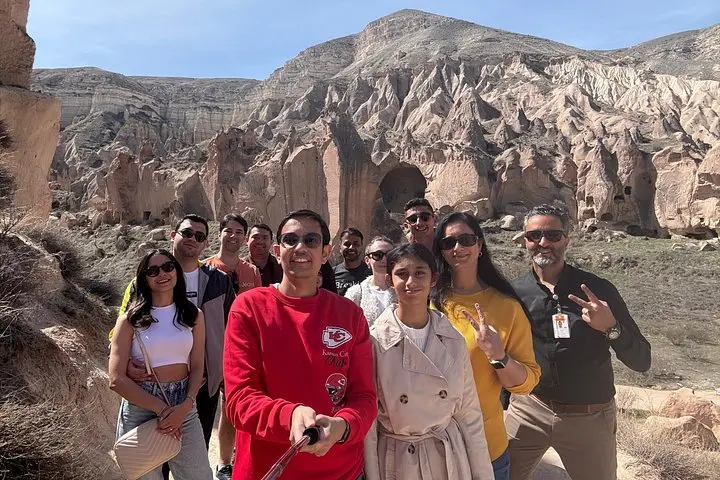
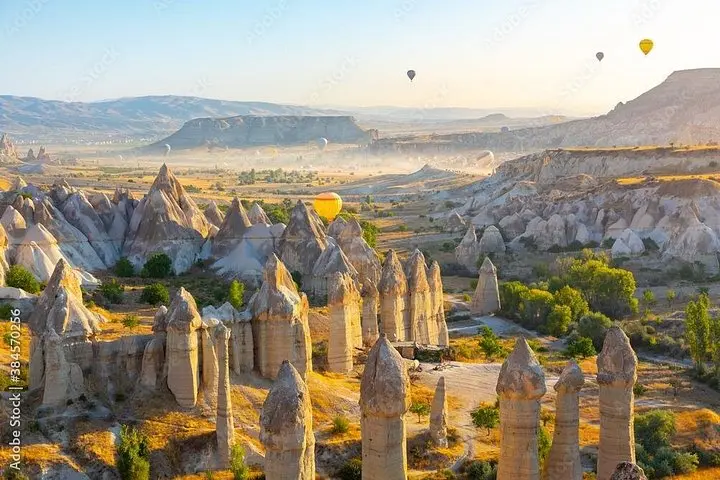
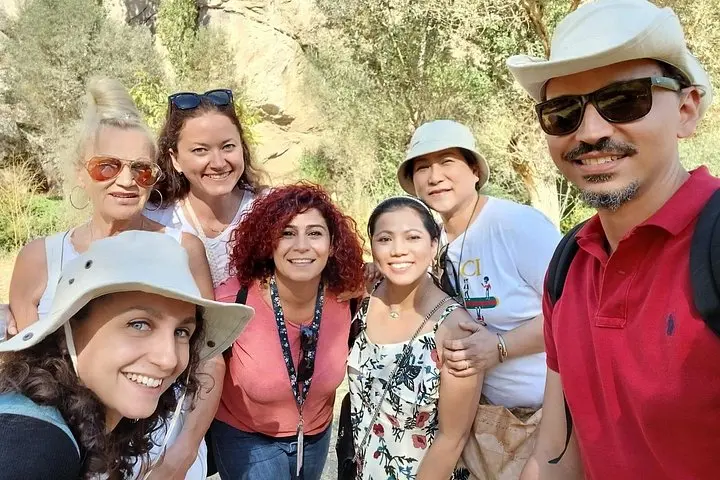
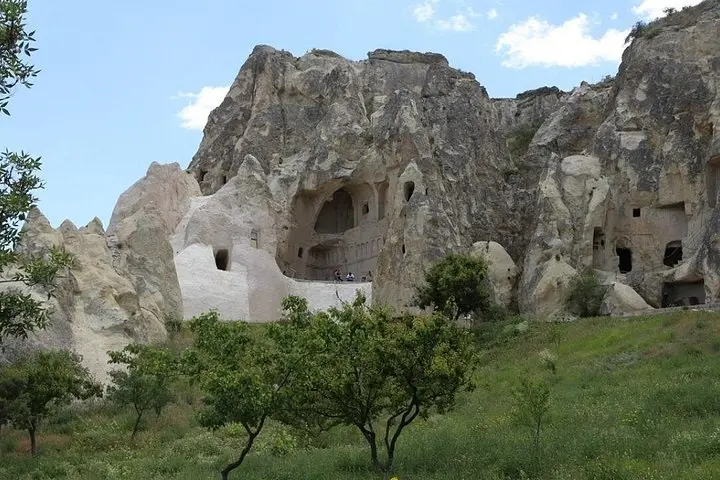
You arrive before the vans disgorge their passengers and the morning light is already etching the fairy chimneys into sharp silhouettes. The driver eases through a quiet lane and the landscape opens—pillared rocks, honeycombed cliffs and domes that look as if the wind has been carving them for a million years. The Red (North) Tour moves at the pace of the land: a day of short walks, close looks at carved rooms and sudden panoramas from high points like Uchisar Castle.
You arrive before the vans disgorge their passengers and the morning light is already etching the fairy chimneys into sharp silhouettes. The driver eases through a quiet lane and the landscape opens—pillared rocks, honeycombed cliffs and domes that look as if the wind has been carving them for a million years. The Red (North) Tour moves at the pace of the land: a day of short walks, close looks at carved rooms and sudden panoramas from high points like Uchisar Castle.
Cappadocia is volcanic geology made legible. Millennia of ash, lava and erosion created a soft tuff that locals hollowed into houses, churches and monasteries. Zelve and Paşabağları are places where geology and human history overlap—church frescoes that survived in rock cavities and hermit cells tucked behind natural columns. The pottery workshop continues a craft tradition tied to Anatolia's red clays, and in Devrent Valley the landscape dares you to name shapes: a camel, a seal, a sleeping giant.
Culturally the region mixed early Christian communities with Byzantine and later Ottoman layers; the cave settlements were rural lifeways as much as defensive refuges. Today the area supports a small tourism economy—guides, potters, and family-run cafés—so a stop at a workshop is both a cultural exchange and a chance to support local artisans.
Practically, expect a 7–8 hour tour with an air-conditioned vehicle, a guide, museum entry included at some stops, and a lunch break. Walking segments are short: 15–45 minutes at key sites, often on uneven dirt paths, low stone steps and slick rock where sturdy footwear matters. Uchisar Castle is the highest vantage in the zone; reaching its terraces involves climbing carved steps and narrow passages. Devrent is easy terrain with loose gravel; Paşabağları requires careful footing near the chimney bases.
Bring sun protection and at least 1–2 liters of water, even outside summer—high plateaus hold heat. If you want hands-on pottery time, wear sleeves you can roll up; the workshop is tactile and can be dusty. Arrive with batteries charged: the light in the late afternoon is especially clean for wide-angle shots and for the carved interiors where frescoes catch the light.
Timing matters. Mornings are quieter at Zelve and Uchisar; late afternoons have better slant light for photographs. If you want a slower experience, consider planning two days in the Göreme area: one for the Red Tour and another for a more thorough walk through Rose or Ihlara Valleys. The Red Tour is a compact primer—geology, craft, and history delivered across a single, satisfying day in one of Turkey's most unusual landscapes.