THE ADVENTURE COLLECTIVE® · Independent discovery and booking for outdoor travel

A full-day sweep through Cappadocia’s most iconic valleys and rock formations—this small-group Red Tour pairs short walks with deep context, from Goreme Panorama to Avanos pottery. Expect hotel pickup, an air-conditioned vehicle, lunch and a guide to thread the geology and history together.
A full-day sweep through Cappadocia’s most iconic valleys and rock formations—this small-group Red Tour pairs short walks with deep context, from Goreme Panorama to Avanos pottery. Expect hotel pickup, an air-conditioned vehicle, lunch and a guide to thread the geology and history together.
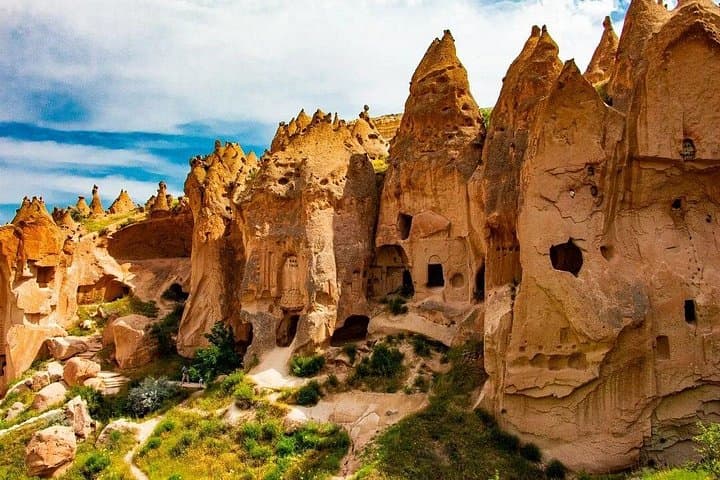
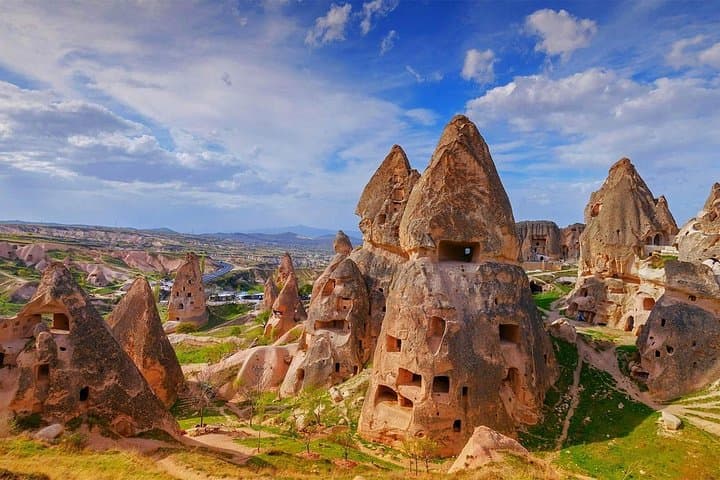
The bus pulls out before the sun fully wakes and the valley exhales a cool, mineral breath. From the Goreme Panorama viewpoint, the first light slashes across the chimneys and ridges—stone fins and mushroom-topped pinnacles that seem to rearrange themselves with each shift of color. You stand with a small group, a guide in English sketching lines of history into the landscape, while volcanoes, wind, and water claim their slow authorship on the earth.
Verified experiences and guided adventures in the surrounding area.
Operated by NOYA Travels · Göreme, Nevşehir
The bus pulls out before the sun fully wakes and the valley exhales a cool, mineral breath. From the Goreme Panorama viewpoint, the first light slashes across the chimneys and ridges—stone fins and mushroom-topped pinnacles that seem to rearrange themselves with each shift of color. You stand with a small group, a guide in English sketching lines of history into the landscape, while volcanoes, wind, and water claim their slow authorship on the earth.
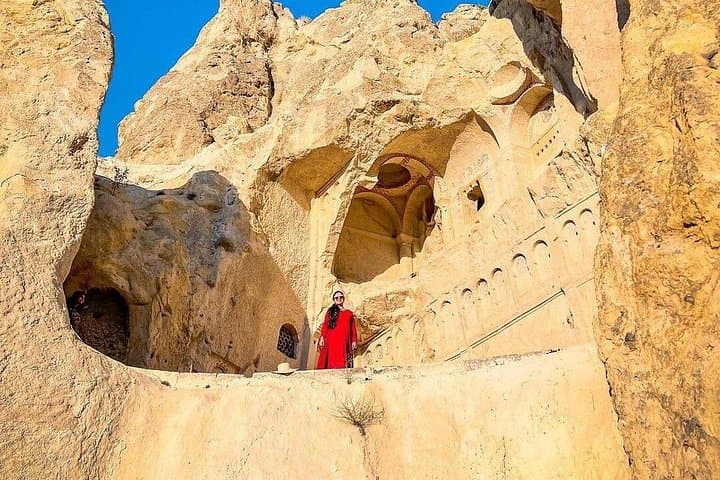
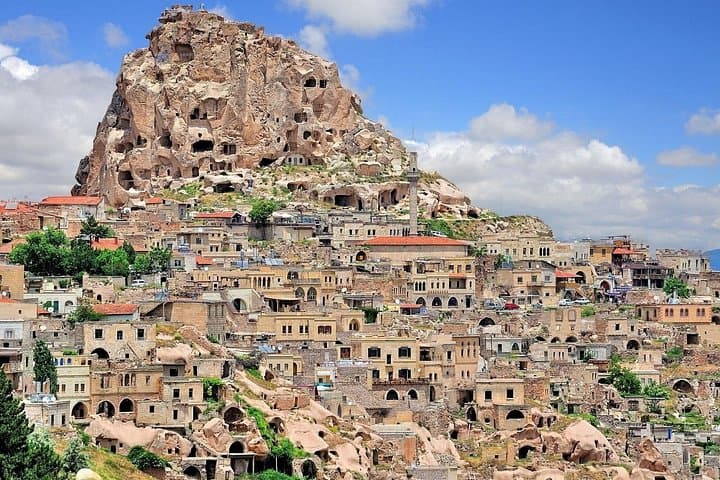
This is the Red Tour, Cappadocia’s curated survey of its most theatrical geology and human-made chambers. The itinerary strings together short walks and lookouts—Goreme Panorama, Uçhisar Castle, Paşabağ (Monks Valley), the hollowed streets of Zelve, Imagination Valley, and the pottery town of Avanos—each stop a chapter in an extraordinary region shaped by eruptions of Mount Erciyes and Hasan centuries ago. Tufa and ignimbrite layers eroded into soft pillars; locals hollowed them into dwellings and monasteries, carving a living archive that balances fragile beauty and hard-won utility.
Cappadocia’s history reads like a palimpsest: Hittite and Persian trade routes, early Christian hermits, Byzantine cave churches, Ottoman markets. Uçhisar Castle is more than a panorama—its stairwells and cisterns map centuries of adaptation where people learned to live with stone, not against it. In Avanos, hands still turn clay on the wheel beside the Kızılırmak River, continuing a craft tied to the valley’s clay-rich soils.
The full-day experience is practical by design: hotel pickup, air-conditioned vehicle, entrance fees and an open buffet lunch are included, and group sizes are kept small (11 people max) so viewpoints don’t feel like a stadium. Walks are short—plan for uneven trails, stairs, and dusty surfaces rather than long climbs—so standard walking shoes are sufficient. Spring and fall offer temperate skies; summer brings strong sun and winter can dust the chimneys with snow, changing the mood completely.
If you go, arrive with camera batteries charged and layers ready. Hydrate on the move and keep your phone or a paper map of meeting points—transfers are efficient, but schedules run tight when everyone wants the same frame at sunset. Ask guides about hidden chapels and local pottery techniques; those local conversations turn a checklist tour into an informed passage through a living landscape.
Practically: expect 7–8 hours overall with guided stops averaging 30–120 minutes, accessible to most fitness levels, and suitable for families. Bring sunscreen, sensible shoes, and curiosity—Cappadocia will do the rest, weathering you into a better understanding of how land and people shape one another.
The tour runs about 7–8 hours (450 minutes) with multiple stops; pickup is approximately 15 minutes before departure from hotel receptions.
Yes—hotel transfers, an air-conditioned vehicle, entrance fees and an open buffet lunch are included in the price.
Yes. The itinerary involves short walks and viewpoints rather than strenuous hiking; infants must sit on laps and some narrow stairs may be challenging for limited mobility.
Yes—admissions to the listed museums and open-air sites on the Red Tour are included in the tour price.
Balloons typically launch at sunrise over Goreme; while the Red Tour may begin after many flights, Goreme Panorama often offers clear views of morning balloons if timing aligns.
Layered warm clothing and a waterproof outer layer are recommended—snow changes trail traction and temperatures can be well below daytime averages.
NOYA Travels operates guided outdoor trips and adventures with an emphasis on safety, stewardship, and memorable experiences.
The bus pulls out before the sun fully wakes and the valley exhales a cool, mineral breath. From the Goreme Panorama viewpoint, the first light slashes across the chimneys and ridges—stone fins and mushroom-topped pinnacles that seem to rearrange themselves with each shift of color. You stand with a small group, a guide in English sketching lines of history into the landscape, while volcanoes, wind, and water claim their slow authorship on the earth.
The bus pulls out before the sun fully wakes and the valley exhales a cool, mineral breath. From the Goreme Panorama viewpoint, the first light slashes across the chimneys and ridges—stone fins and mushroom-topped pinnacles that seem to rearrange themselves with each shift of color. You stand with a small group, a guide in English sketching lines of history into the landscape, while volcanoes, wind, and water claim their slow authorship on the earth.
This is the Red Tour, Cappadocia’s curated survey of its most theatrical geology and human-made chambers. The itinerary strings together short walks and lookouts—Goreme Panorama, Uçhisar Castle, Paşabağ (Monks Valley), the hollowed streets of Zelve, Imagination Valley, and the pottery town of Avanos—each stop a chapter in an extraordinary region shaped by eruptions of Mount Erciyes and Hasan centuries ago. Tufa and ignimbrite layers eroded into soft pillars; locals hollowed them into dwellings and monasteries, carving a living archive that balances fragile beauty and hard-won utility.
Cappadocia’s history reads like a palimpsest: Hittite and Persian trade routes, early Christian hermits, Byzantine cave churches, Ottoman markets. Uçhisar Castle is more than a panorama—its stairwells and cisterns map centuries of adaptation where people learned to live with stone, not against it. In Avanos, hands still turn clay on the wheel beside the Kızılırmak River, continuing a craft tied to the valley’s clay-rich soils.
The full-day experience is practical by design: hotel pickup, air-conditioned vehicle, entrance fees and an open buffet lunch are included, and group sizes are kept small (11 people max) so viewpoints don’t feel like a stadium. Walks are short—plan for uneven trails, stairs, and dusty surfaces rather than long climbs—so standard walking shoes are sufficient. Spring and fall offer temperate skies; summer brings strong sun and winter can dust the chimneys with snow, changing the mood completely.
If you go, arrive with camera batteries charged and layers ready. Hydrate on the move and keep your phone or a paper map of meeting points—transfers are efficient, but schedules run tight when everyone wants the same frame at sunset. Ask guides about hidden chapels and local pottery techniques; those local conversations turn a checklist tour into an informed passage through a living landscape.
Practically: expect 7–8 hours overall with guided stops averaging 30–120 minutes, accessible to most fitness levels, and suitable for families. Bring sunscreen, sensible shoes, and curiosity—Cappadocia will do the rest, weathering you into a better understanding of how land and people shape one another.