THE ADVENTURE COLLECTIVE® · Independent discovery and booking for outdoor travel

Spend a compact, photo-rich day across Cappadocia’s signature sites—Uchisar Castle, Göreme Open Air Museum, Avanos pottery, and Love Valley—guided by local insight and an air-conditioned vehicle. Ideal for first-time visitors who want context with their panoramas.
Spend a compact, photo-rich day across Cappadocia’s signature sites—Uchisar Castle, Göreme Open Air Museum, Avanos pottery, and Love Valley—guided by local insight and an air-conditioned vehicle. Ideal for first-time visitors who want context with their panoramas.
You step into the air-conditioned van as the sun is still low, and the guide’s voice sets a practical rhythm for the day—history, geology, and a route that refuses to dawdle.
Verified experiences and guided adventures in the surrounding area.
Operated by TYANE TRAVEL · Göreme, Nevşehir Province
You step into the air-conditioned van as the sun is still low, and the guide’s voice sets a practical rhythm for the day—history, geology, and a route that refuses to dawdle.
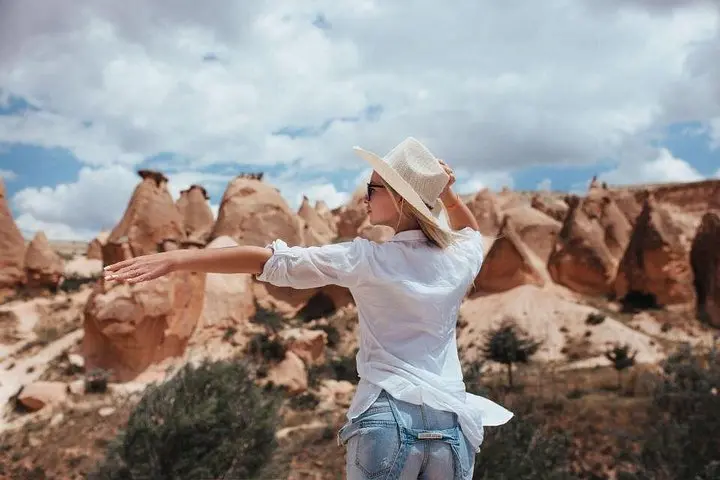
Within an hour the landscape opens: soft, pale rock stacked and sculpted into chimneys and ridges that look engineered by wind and time. At Uchisar Castle, the highest outcrop, the valley leans away beneath you. The view is immediate and uncompromising; the rock has a way of making every skyline readable—eroded layers like pages in a slow-moving book.
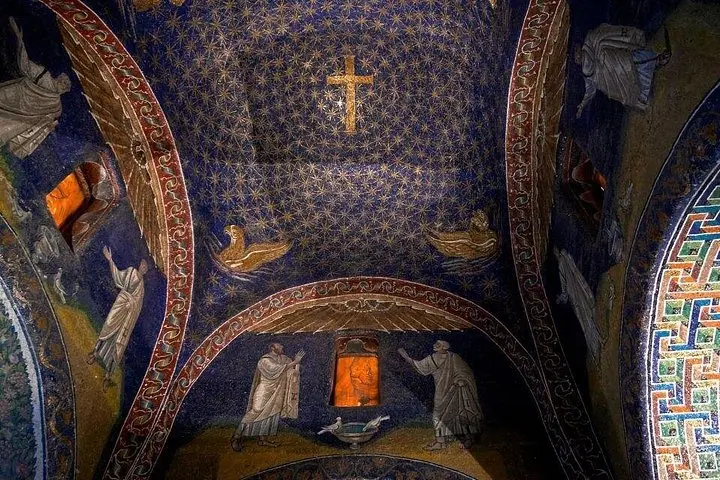
Goreme Open Air Museum follows, where churches carved into tuff reveal frescoes that survived centuries of weather and human change. The colors are quiet but precise—ochres and lapis that have been scrubbed by time yet still anchor biblical scenes to this strange, lunar terrain. This is a place where Byzantine monks lived and worked, burying their liturgies into stone to shelter them from seismic winters and roaming armies.
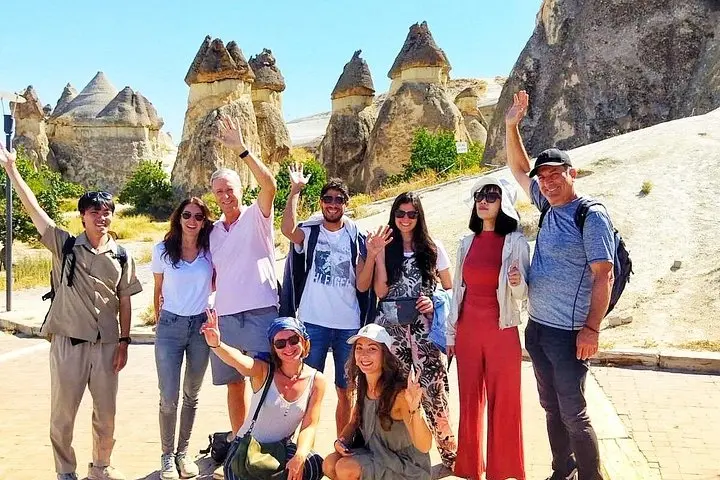
Geology explains the shapes: volcanic ash compacted into tuff, later cut by rivers and wind into the fairy chimneys photographers chase. Culture explains the towns—Avanos along the Kızılırmak (Red River) has turned its pottery craft into a living trade, clay thrown on wheels the same way it has been for generations.
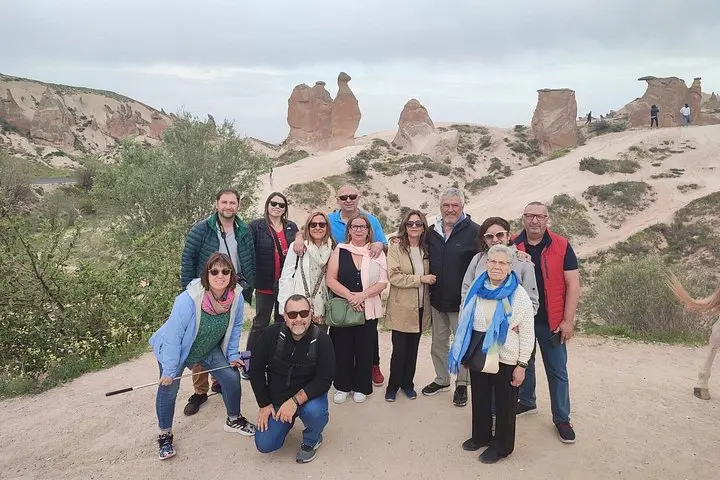
The tour is efficient: panoramas, a pottery demonstration in Avanos, lunch at a local spot, then Love Valley’s open-air gallery of phallic pinnacles that demand a second look. The guide threads facts with practical notes—where the best light will be, which trails are drivable, and what to avoid if you’re visiting on a busier summer day.
Plan for uneven ground, short staircases carved from stone, and crowds at the museum. Bring sun protection, a refillable bottle, and sensible shoes; the air-conditioned van is inviting between stops but the walks are where the terrain forces attention.
If you want to bend the day toward photography, ask about arrival times at the panoramas: early and late light highlights the striations in the tuff, while midday is better for interior shots of frescoes. Keep small bills for pottery or a tea in Avanos, and try not to touch frescoes—preservation is literal work here.
The Red Tour is not a wilderness trek so much as an organized translation of Cappadocia’s key stories: volcanic earth made portable, human devotion carved into rock, and a living culture still shaping clay on the banks of a river that has always carried both silt and history. For half a day, the landscape talks; the guide helps you understand its grammar.
Yes—entrance fees for the sites listed in the itinerary, including the Göreme Open Air Museum, are included with the tour.
Yes—hotel pickup is provided from central Göreme/Ürgüp area; confirm your pickup point when booking.
Yes—a local restaurant lunch is provided and typically features traditional Turkish dishes.
No—the Red Tour focuses on ground highlights; balloon rides are separate early-morning experiences booked through specialized operators.
Generally yes—walking is light, but there are stairs and uneven terrain so mobility concerns should be noted at booking.
Many shops accept cards but smaller vendors may prefer cash, so carry some Turkish lira for convenience.
TYANE TRAVEL operates guided outdoor trips and adventures with an emphasis on safety, stewardship, and memorable experiences.
You step into the air-conditioned van as the sun is still low, and the guide’s voice sets a practical rhythm for the day—history, geology, and a route that refuses to dawdle.
You step into the air-conditioned van as the sun is still low, and the guide’s voice sets a practical rhythm for the day—history, geology, and a route that refuses to dawdle.
Within an hour the landscape opens: soft, pale rock stacked and sculpted into chimneys and ridges that look engineered by wind and time. At Uchisar Castle, the highest outcrop, the valley leans away beneath you. The view is immediate and uncompromising; the rock has a way of making every skyline readable—eroded layers like pages in a slow-moving book.
Goreme Open Air Museum follows, where churches carved into tuff reveal frescoes that survived centuries of weather and human change. The colors are quiet but precise—ochres and lapis that have been scrubbed by time yet still anchor biblical scenes to this strange, lunar terrain. This is a place where Byzantine monks lived and worked, burying their liturgies into stone to shelter them from seismic winters and roaming armies.
Geology explains the shapes: volcanic ash compacted into tuff, later cut by rivers and wind into the fairy chimneys photographers chase. Culture explains the towns—Avanos along the Kızılırmak (Red River) has turned its pottery craft into a living trade, clay thrown on wheels the same way it has been for generations.
The tour is efficient: panoramas, a pottery demonstration in Avanos, lunch at a local spot, then Love Valley’s open-air gallery of phallic pinnacles that demand a second look. The guide threads facts with practical notes—where the best light will be, which trails are drivable, and what to avoid if you’re visiting on a busier summer day.
Plan for uneven ground, short staircases carved from stone, and crowds at the museum. Bring sun protection, a refillable bottle, and sensible shoes; the air-conditioned van is inviting between stops but the walks are where the terrain forces attention.
If you want to bend the day toward photography, ask about arrival times at the panoramas: early and late light highlights the striations in the tuff, while midday is better for interior shots of frescoes. Keep small bills for pottery or a tea in Avanos, and try not to touch frescoes—preservation is literal work here.
The Red Tour is not a wilderness trek so much as an organized translation of Cappadocia’s key stories: volcanic earth made portable, human devotion carved into rock, and a living culture still shaping clay on the banks of a river that has always carried both silt and history. For half a day, the landscape talks; the guide helps you understand its grammar.