THE ADVENTURE COLLECTIVE® · Independent discovery and booking for outdoor travel

Spend a day tracing Cappadocia’s sculpted valleys, cave churches, and centuries‑old pottery traditions without the headache of driving. This eight‑hour Red Tour pairs dramatic geology with hands‑on culture and a guided route that hits the region’s must‑see highlights.
Spend a day tracing Cappadocia’s sculpted valleys, cave churches, and centuries‑old pottery traditions without the headache of driving. This eight‑hour Red Tour pairs dramatic geology with hands‑on culture and a guided route that hits the region’s must‑see highlights.
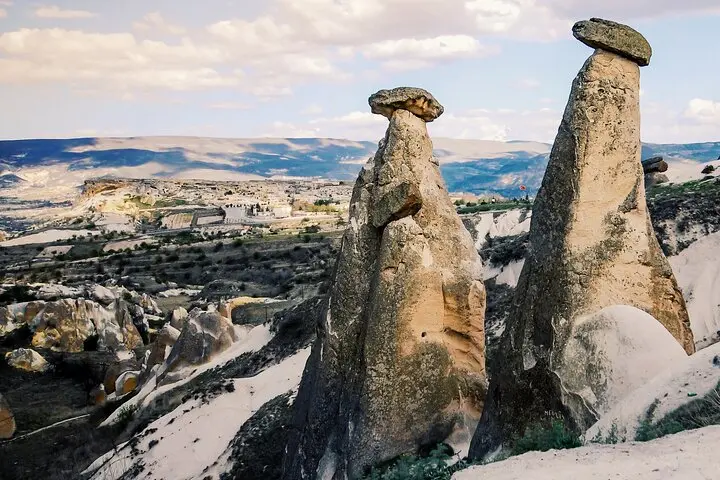
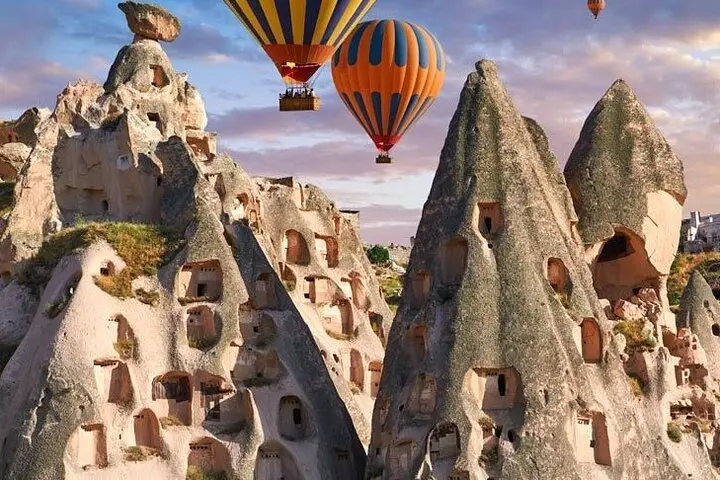
You step out of an air-conditioned minibus into a landscape that seems to have been carved by a very patient sculptor. Soft, honey‑colored tuff rises like architectural ruins, pierced by windows and doors worn into the rock. The morning light makes the fairy chimneys cast long, deliberate shadows; the land appears to be holding its breath, waiting for you to begin exploring.
Verified experiences and guided adventures in the surrounding area.
Operated by How To Make Travel · Göreme, Nevşehir
You step out of an air-conditioned minibus into a landscape that seems to have been carved by a very patient sculptor. Soft, honey‑colored tuff rises like architectural ruins, pierced by windows and doors worn into the rock. The morning light makes the fairy chimneys cast long, deliberate shadows; the land appears to be holding its breath, waiting for you to begin exploring.
The Cappadocia Red Tour stitches together the region’s most iconic sites in a single eight‑hour loop from Göreme. The day begins with Uçhisar Castle, the highest rock outcrop in the area, where carved stairways lead to a terrace with a broad view across valleys cut by ancient rivers. At the Göreme Open‑Air Museum and Zelve, Byzantine cave churches survive with painted frescoes that map the arc of early Christian life in this volcanic landscape. Paşabağı (Monks Valley) shows multi‑headed fairy chimneys that seem to guard the plateaus, while Devrent Valley invites the eye to find animals and faces in stone—as if the rocks themselves are playing a long game of pareidolia.
Avanos, on the banks of the Kızılırmak (Red River), ties the day to a human craft that predates the Roman era. The clay here—worked since Hittite times—still turns on family‑run wheels; the potter’s hands move like they are drawing a slow line through history. Çavuşin village, mostly abandoned after the 1924 population exchange, offers quiet streets and old Greek houses that frame a human story layered over the geology.
Practical guide: the tour runs roughly 8 hours with door‑to‑door pickup from Göreme hotels (drivers arrive about 30 minutes before departure). Expect short, uneven walks—stair climbs and loose volcanic soil—and roughly 100–200 meters of cumulative ascent across the day. Wear sturdy shoes with good traction; bring sun protection and a refillable water bottle. The pace is friendly for most travelers: stops are timed (30–120 minutes) for photo breaks, a buffet lunch in Avanos, and a pottery demonstration where you can try the wheel.
Museum entrances and taxes are included; you’ll travel in an air‑conditioned vehicle with a guide who narrates geology, Byzantine history, and local life. Peak seasons fill quickly—early morning departures are best for softer light and fewer crowds—and remember the rock formations are fragile: stick to paths and don’t attempt to climb the chimneys. By the time the minibus circles back to Göreme, you’ll have seen millennia of natural shaping and human craft—Cappadocia’s geology daring you to look closer and its villages answering with stories.
Yes—entrance fees cited by the operator for included museums are covered in the tour price.
Pickups are door‑to‑door from Göreme hotels; drivers typically arrive about 30 minutes before the scheduled departure.
Short children can join; some sites have uneven ground and steps, so strollers aren’t practical inside the open‑air museums.
Yes—the Avanos stop includes a live demonstration and an opportunity to try the potter’s wheel; purchases are optional.
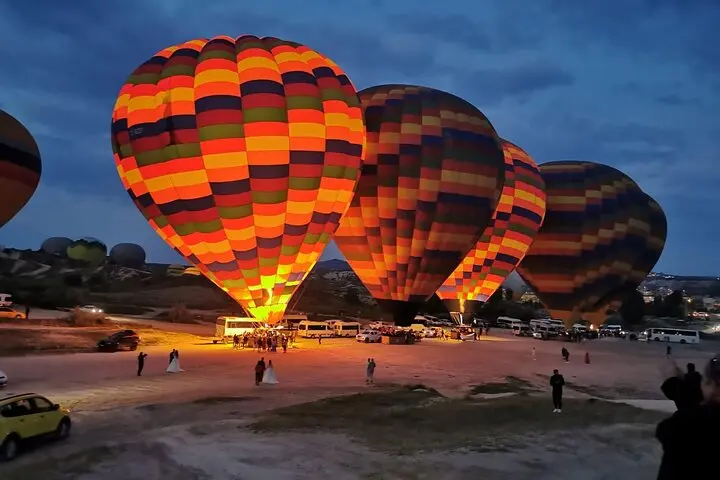
No—hot‑air balloon flights are separate early‑morning experiences and are not part of the Red Tour itinerary.
Guides are commonly English‑speaking; check at booking if you require another language or private guide options.
How To Make Travel operates guided outdoor trips and adventures with an emphasis on safety, stewardship, and memorable experiences.

You step out of an air-conditioned minibus into a landscape that seems to have been carved by a very patient sculptor. Soft, honey‑colored tuff rises like architectural ruins, pierced by windows and doors worn into the rock. The morning light makes the fairy chimneys cast long, deliberate shadows; the land appears to be holding its breath, waiting for you to begin exploring.
You step out of an air-conditioned minibus into a landscape that seems to have been carved by a very patient sculptor. Soft, honey‑colored tuff rises like architectural ruins, pierced by windows and doors worn into the rock. The morning light makes the fairy chimneys cast long, deliberate shadows; the land appears to be holding its breath, waiting for you to begin exploring.
The Cappadocia Red Tour stitches together the region’s most iconic sites in a single eight‑hour loop from Göreme. The day begins with Uçhisar Castle, the highest rock outcrop in the area, where carved stairways lead to a terrace with a broad view across valleys cut by ancient rivers. At the Göreme Open‑Air Museum and Zelve, Byzantine cave churches survive with painted frescoes that map the arc of early Christian life in this volcanic landscape. Paşabağı (Monks Valley) shows multi‑headed fairy chimneys that seem to guard the plateaus, while Devrent Valley invites the eye to find animals and faces in stone—as if the rocks themselves are playing a long game of pareidolia.
Avanos, on the banks of the Kızılırmak (Red River), ties the day to a human craft that predates the Roman era. The clay here—worked since Hittite times—still turns on family‑run wheels; the potter’s hands move like they are drawing a slow line through history. Çavuşin village, mostly abandoned after the 1924 population exchange, offers quiet streets and old Greek houses that frame a human story layered over the geology.
Practical guide: the tour runs roughly 8 hours with door‑to‑door pickup from Göreme hotels (drivers arrive about 30 minutes before departure). Expect short, uneven walks—stair climbs and loose volcanic soil—and roughly 100–200 meters of cumulative ascent across the day. Wear sturdy shoes with good traction; bring sun protection and a refillable water bottle. The pace is friendly for most travelers: stops are timed (30–120 minutes) for photo breaks, a buffet lunch in Avanos, and a pottery demonstration where you can try the wheel.
Museum entrances and taxes are included; you’ll travel in an air‑conditioned vehicle with a guide who narrates geology, Byzantine history, and local life. Peak seasons fill quickly—early morning departures are best for softer light and fewer crowds—and remember the rock formations are fragile: stick to paths and don’t attempt to climb the chimneys. By the time the minibus circles back to Göreme, you’ll have seen millennia of natural shaping and human craft—Cappadocia’s geology daring you to look closer and its villages answering with stories.