THE ADVENTURE COLLECTIVE® · Independent discovery and booking for outdoor travel

Spend a day moving through Cappadocia’s most iconic sites: Byzantine cave churches at Göreme Open‑Air Museum, Uçhisar’s panoramic ridge, the stacked fairy chimneys at Paşabağı and pottery workshops in Avanos. This guided Red Tour offers efficient transport, entrance fees and lunch—ideal for first‑time visitors.
Spend a day moving through Cappadocia’s most iconic sites: Byzantine cave churches at Göreme Open‑Air Museum, Uçhisar’s panoramic ridge, the stacked fairy chimneys at Paşabağı and pottery workshops in Avanos. This guided Red Tour offers efficient transport, entrance fees and lunch—ideal for first‑time visitors.
A bus idles in front of a line of low stone houses as the sun pries itself over soft hills. Travelers pile in, backpacks bumping and cameras at the ready; the landscape outside the window changes from olive groves to wind-sculpted rock that looks less like geology and more like a deliberate art direction. By the time the group steps onto the viewing terrace at Göreme Open‑Air Museum, the valley is already a study in light and shadow: carved chapels, faded Byzantine frescoes and narrow tunnels cut into honey‑colored tuff.
Verified experiences and guided adventures in the surrounding area.
Operated by Ariarathes Travel · Göreme, Nevşehir
A bus idles in front of a line of low stone houses as the sun pries itself over soft hills. Travelers pile in, backpacks bumping and cameras at the ready; the landscape outside the window changes from olive groves to wind-sculpted rock that looks less like geology and more like a deliberate art direction. By the time the group steps onto the viewing terrace at Göreme Open‑Air Museum, the valley is already a study in light and shadow: carved chapels, faded Byzantine frescoes and narrow tunnels cut into honey‑colored tuff.
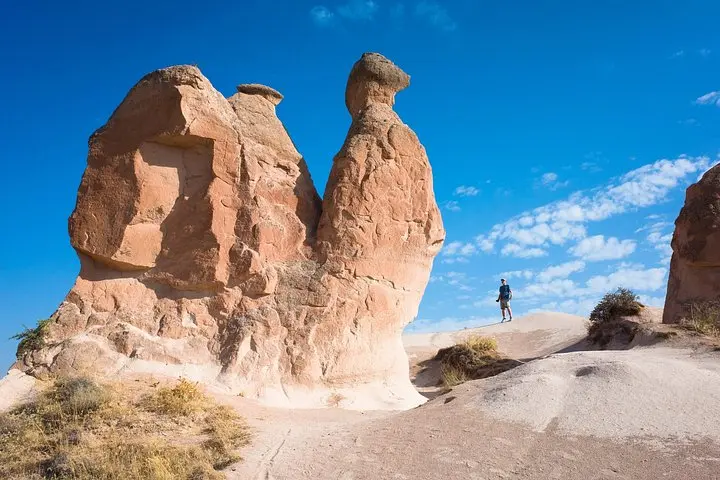
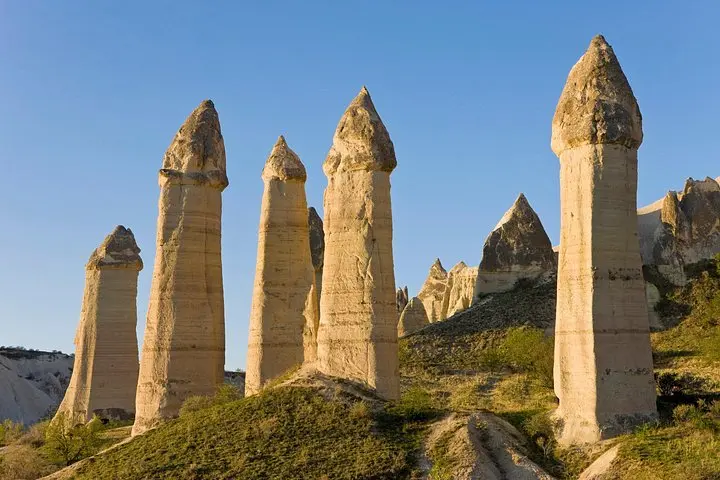
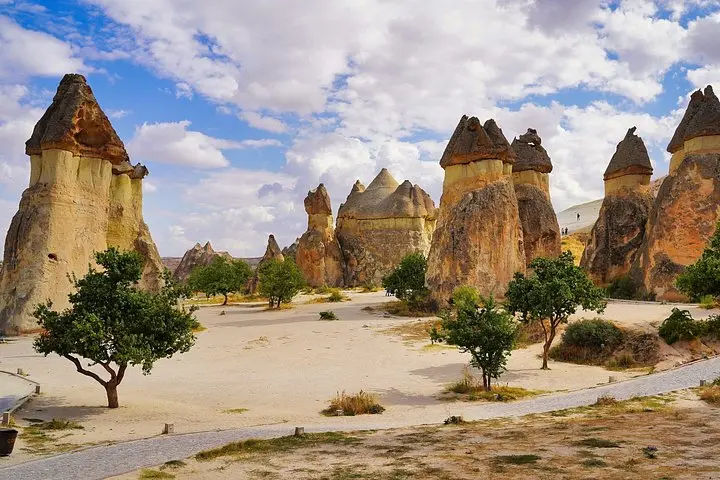
The Red Tour is the classic one‑day primer to Cappadocia’s strange terrain. It threads together Uçhisar’s rooftop views, Love Valley’s phallic pillars, the stacked caps of Paşabağı’s fairy chimneys, the whimsical formations of Devrent and the troglodyte ruins of Zelve. Each stop reads like a different chapter in the same geological and cultural story: thick volcanic ash deposited millions of years ago hardened into soft stone that human hands later hollowed out for shelter, worship and pottery kilns.
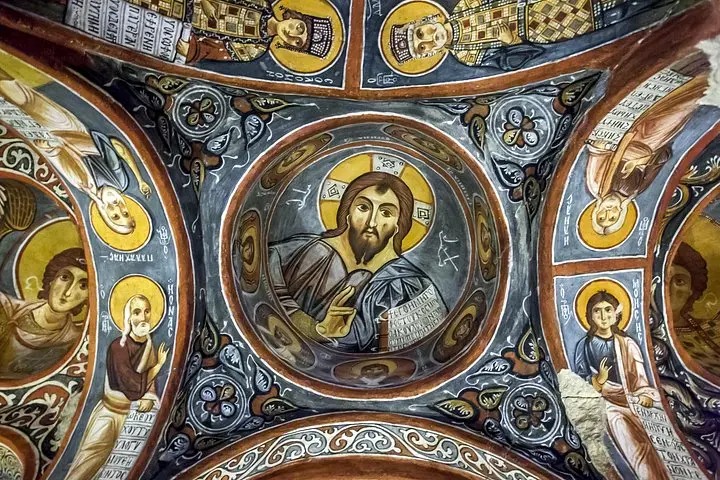
Göreme’s cave churches date to the early Christian era. Monks and villagers painted biblical scenes in pigments mixed from local minerals; those frescoes, sheltered inside rock, are the region’s most intimate surviving records. Avanos, on the edge of the Kızılırmak River, offers a separate legacy—4,000 years of pottery craft, where wheel and kiln remain central to daily life.
Practicalities are straightforward. The shared tour runs about seven hours, includes hotel pickup across Göreme and nearby towns, a guided lunch, entrance fees to select museums and transport in an air‑conditioned vehicle. Expect easy walking on uneven ground and short climbs at viewpoints; the schedule favors photography and short interpretive stops rather than long hikes.
Timing matters: mid‑morning and late afternoon light are best for the chimneys; sunrise brings clear, crisp air but requires an early start. Wear grippy shoes—loose volcanic sand and carved steps can be slick—and layer for big temperature swings. Bring water and sun protection year‑round; in hot months, aim for morning tours and limit mid‑day exposure.
Cultural respect is simple: remove hats and speak softly in chapel interiors, avoid touching fragile frescoes and follow signage in protected sites. Support local craft by visiting an Avanos studio, where demonstrations and small purchases directly benefit families maintaining traditional methods.
For someone pressed for time, the Red Tour is efficient and immersive: it puts the essentials of Cappadocia within reach in one confident, well‑paced day. You’ll leave with a clearer sense of how volcanic geology, human ingenuity and a layered history created a landscape that still invites curiosity—and careful stewardship.
The tour runs about 6–7 hours and includes hotel pickup, an English‑speaking guide, entrance fees to select sites, lunch and transport in an air‑conditioned vehicle.
Yes—walking is moderate and sites are generally accessible, though some areas have steps and uneven ground; contact the operator about mobility needs before booking.
Most entrance fees are included for stops listed on the itinerary; confirm any optional sites with your guide on the day.
Yes; Cappadocia is open year‑round, but expect snow and icy patches in winter and heat in summer—dress accordingly.
Balloon flights launch daily at sunrise and are visible across the valleys; the Red Tour doesn’t include a balloon ride but you will likely see balloons aloft from viewpoints.
Tipping is customary but discretionary; 10–15% of the tour price is a common guideline if service was good.
Ariarathes Travel operates guided outdoor trips and adventures with an emphasis on safety, stewardship, and memorable experiences.
A bus idles in front of a line of low stone houses as the sun pries itself over soft hills. Travelers pile in, backpacks bumping and cameras at the ready; the landscape outside the window changes from olive groves to wind-sculpted rock that looks less like geology and more like a deliberate art direction. By the time the group steps onto the viewing terrace at Göreme Open‑Air Museum, the valley is already a study in light and shadow: carved chapels, faded Byzantine frescoes and narrow tunnels cut into honey‑colored tuff.
A bus idles in front of a line of low stone houses as the sun pries itself over soft hills. Travelers pile in, backpacks bumping and cameras at the ready; the landscape outside the window changes from olive groves to wind-sculpted rock that looks less like geology and more like a deliberate art direction. By the time the group steps onto the viewing terrace at Göreme Open‑Air Museum, the valley is already a study in light and shadow: carved chapels, faded Byzantine frescoes and narrow tunnels cut into honey‑colored tuff.
The Red Tour is the classic one‑day primer to Cappadocia’s strange terrain. It threads together Uçhisar’s rooftop views, Love Valley’s phallic pillars, the stacked caps of Paşabağı’s fairy chimneys, the whimsical formations of Devrent and the troglodyte ruins of Zelve. Each stop reads like a different chapter in the same geological and cultural story: thick volcanic ash deposited millions of years ago hardened into soft stone that human hands later hollowed out for shelter, worship and pottery kilns.
Göreme’s cave churches date to the early Christian era. Monks and villagers painted biblical scenes in pigments mixed from local minerals; those frescoes, sheltered inside rock, are the region’s most intimate surviving records. Avanos, on the edge of the Kızılırmak River, offers a separate legacy—4,000 years of pottery craft, where wheel and kiln remain central to daily life.
Practicalities are straightforward. The shared tour runs about seven hours, includes hotel pickup across Göreme and nearby towns, a guided lunch, entrance fees to select museums and transport in an air‑conditioned vehicle. Expect easy walking on uneven ground and short climbs at viewpoints; the schedule favors photography and short interpretive stops rather than long hikes.
Timing matters: mid‑morning and late afternoon light are best for the chimneys; sunrise brings clear, crisp air but requires an early start. Wear grippy shoes—loose volcanic sand and carved steps can be slick—and layer for big temperature swings. Bring water and sun protection year‑round; in hot months, aim for morning tours and limit mid‑day exposure.
Cultural respect is simple: remove hats and speak softly in chapel interiors, avoid touching fragile frescoes and follow signage in protected sites. Support local craft by visiting an Avanos studio, where demonstrations and small purchases directly benefit families maintaining traditional methods.
For someone pressed for time, the Red Tour is efficient and immersive: it puts the essentials of Cappadocia within reach in one confident, well‑paced day. You’ll leave with a clearer sense of how volcanic geology, human ingenuity and a layered history created a landscape that still invites curiosity—and careful stewardship.