THE ADVENTURE COLLECTIVE® · Independent discovery and booking for outdoor travel

Spend a day moving through Cappadocia’s sculpted landscape: Uçhisar panoramas, cave churches at the Göreme Open-Air Museum, pottery in Avanos, and the uncanny fairy chimneys of Love Valley and Paşabağ. Practical tips and timing to make the most of a 6–8 hour private tour.
Spend a day moving through Cappadocia’s sculpted landscape: Uçhisar panoramas, cave churches at the Göreme Open-Air Museum, pottery in Avanos, and the uncanny fairy chimneys of Love Valley and Paşabağ. Practical tips and timing to make the most of a 6–8 hour private tour.
The minivan eases onto a dry plateau as the guide points at a skyline of nicked spires and mushroom-shaped columns. Sunlight skims the honey-colored rock and the driver calls for sunglasses; within minutes you’re stepping out into a landscape that once hosted volcanic flows and now hosts centuries of human carving.
Verified experiences and guided adventures in the surrounding area.
Operated by SUN SMILE TRAVEL · Göreme, Nevşehir Province
The minivan eases onto a dry plateau as the guide points at a skyline of nicked spires and mushroom-shaped columns. Sunlight skims the honey-colored rock and the driver calls for sunglasses; within minutes you’re stepping out into a landscape that once hosted volcanic flows and now hosts centuries of human carving.
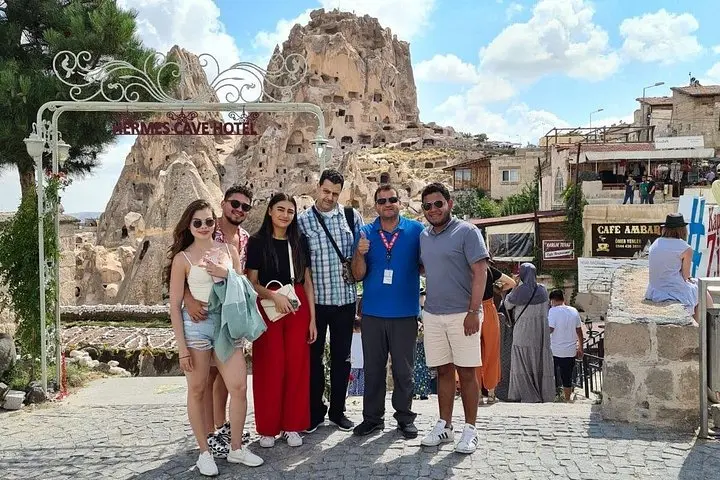
On the North (Red) Tour, Cappadocia reveals itself like a geological atlas annotated with human history. The route threads Uçhisar’s highest natural rock castle, where pigeons pick at cliffside holes and the panorama stretches to Erciyes’s distant cone. At the Göreme Open-Air Museum, compact chapels and refectories hollowed from tuff show the practical devotion of early Christian monastic communities—frescoes still cling to painted plaster, cataloguing saints and scripture in ochres and lapis.
The region’s raw architecture is volcanic: ash and pumice compacted into soft tuff after eruptions millions of years ago, then carved and sculpted by wind and seasonal floods into chimneys and towers. Paşabağ’s “mushroom” caps and the stone sentries of Love Valley are not mere scenery; they are slow-motion erosion made visible.
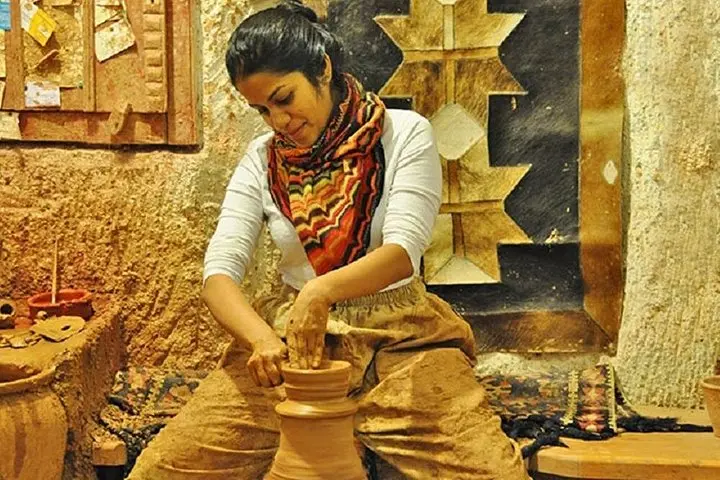
Culture rides alongside geology. Avanos, on the Kızılırmak river, has been turning clay into pots since Bronze Age Anatolia—watching a wheel-throwing demonstration is a practical lesson in continuity. Lunch at a local restaurant usually centers on regional staples: testi kebab slow-cooked in a sealed clay pot, bulgur pilaf, and ayran.
Practical guide: the tour runs about 6–8 hours and is private with hotel pickup (allow 30 minutes variance). Admission to the Göreme Open-Air Museum and the scheduled lunch are included; bring cash for souvenirs or extra museum donations. Footing is uneven—expect short hikes across packed earth, loose gravel and carved stairways.
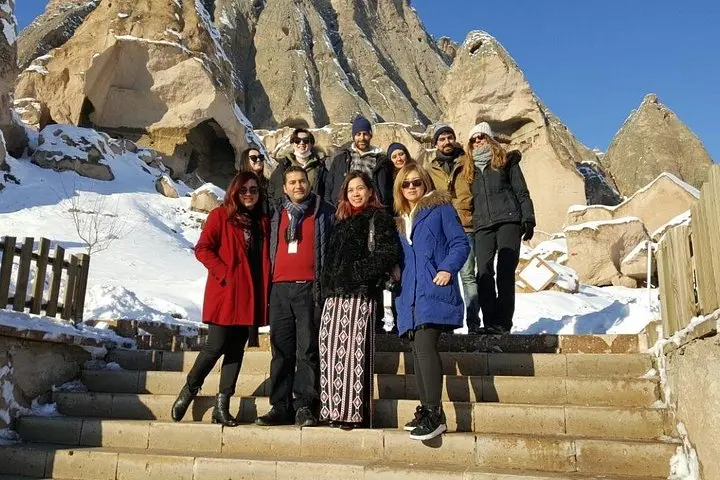
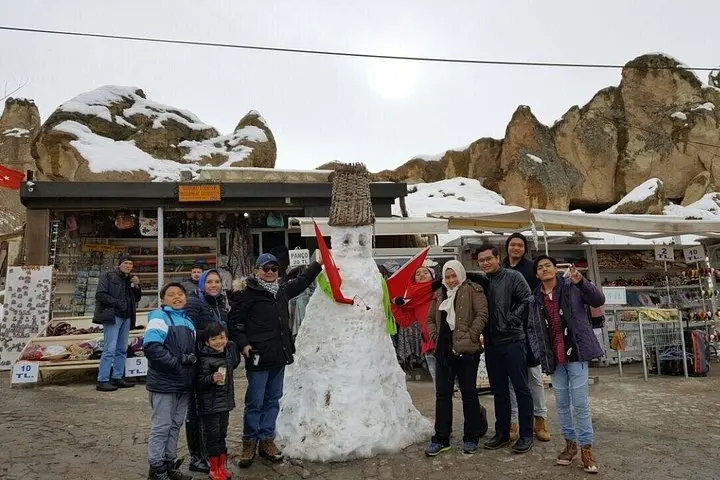
Timing matters. Morning light sculpts the chimneys; late afternoon warms the stone and thins day-tripper crowds. In summer, shade is scarce; carry at least 1.5 liters of water and sun protection. Winters can coat valleys in snow—roads remain passable but layers are essential.
Tips for visiting: respect fragile frescoes by avoiding flash photography inside chapels, support local artisans by buying a small pottery piece rather than mass-produced trinkets, and plan the Göreme visit earlier in the day to avoid tour-bus congestion.
This North loop is an efficient primer on Cappadocia—geology that taught people how to build, and building that taught people how to live with the land. For travelers who want context with their views, the Red Tour packs natural theater, living craft, and centuries of history into a single, accessible day.
Yes—this tour includes admission to the Göreme Open-Air Museum as stated in the itinerary.
Yes—pickup is available from many Göreme-area hotels; allow a 30-minute window for pickup time variance.
The scheduled stop is typically a demonstration; ask your guide in advance if you want a hands-on session—many workshops offer it for an extra fee.
The tour is labeled physically easy, but many sites have uneven surfaces and steps—children and visitors with mobility limitations should check specific accessibility before booking.
Lunch at a local restaurant is included; drinks and additional snacks are usually extra.
No—the balloon experience is a separate activity and is not included in this North (Red) Tour.
SUN SMILE TRAVEL operates guided outdoor trips and adventures with an emphasis on safety, stewardship, and memorable experiences.
The minivan eases onto a dry plateau as the guide points at a skyline of nicked spires and mushroom-shaped columns. Sunlight skims the honey-colored rock and the driver calls for sunglasses; within minutes you’re stepping out into a landscape that once hosted volcanic flows and now hosts centuries of human carving.
The minivan eases onto a dry plateau as the guide points at a skyline of nicked spires and mushroom-shaped columns. Sunlight skims the honey-colored rock and the driver calls for sunglasses; within minutes you’re stepping out into a landscape that once hosted volcanic flows and now hosts centuries of human carving.
On the North (Red) Tour, Cappadocia reveals itself like a geological atlas annotated with human history. The route threads Uçhisar’s highest natural rock castle, where pigeons pick at cliffside holes and the panorama stretches to Erciyes’s distant cone. At the Göreme Open-Air Museum, compact chapels and refectories hollowed from tuff show the practical devotion of early Christian monastic communities—frescoes still cling to painted plaster, cataloguing saints and scripture in ochres and lapis.
The region’s raw architecture is volcanic: ash and pumice compacted into soft tuff after eruptions millions of years ago, then carved and sculpted by wind and seasonal floods into chimneys and towers. Paşabağ’s “mushroom” caps and the stone sentries of Love Valley are not mere scenery; they are slow-motion erosion made visible.
Culture rides alongside geology. Avanos, on the Kızılırmak river, has been turning clay into pots since Bronze Age Anatolia—watching a wheel-throwing demonstration is a practical lesson in continuity. Lunch at a local restaurant usually centers on regional staples: testi kebab slow-cooked in a sealed clay pot, bulgur pilaf, and ayran.
Practical guide: the tour runs about 6–8 hours and is private with hotel pickup (allow 30 minutes variance). Admission to the Göreme Open-Air Museum and the scheduled lunch are included; bring cash for souvenirs or extra museum donations. Footing is uneven—expect short hikes across packed earth, loose gravel and carved stairways.
Timing matters. Morning light sculpts the chimneys; late afternoon warms the stone and thins day-tripper crowds. In summer, shade is scarce; carry at least 1.5 liters of water and sun protection. Winters can coat valleys in snow—roads remain passable but layers are essential.
Tips for visiting: respect fragile frescoes by avoiding flash photography inside chapels, support local artisans by buying a small pottery piece rather than mass-produced trinkets, and plan the Göreme visit earlier in the day to avoid tour-bus congestion.
This North loop is an efficient primer on Cappadocia—geology that taught people how to build, and building that taught people how to live with the land. For travelers who want context with their views, the Red Tour packs natural theater, living craft, and centuries of history into a single, accessible day.