THE ADVENTURE COLLECTIVE® · Independent discovery and booking for outdoor travel

A full-day guided circuit through Cappadocia’s volcanic valleys and fairy chimneys, the Red Tour pairs compact hikes with cultural stops — Uchisar, Love Valley, Zelve, Paşabağlar, Devrent and Avanos — plus lunch and museum tickets for a low-fuss way to read this extraordinary landscape.
A full-day guided circuit through Cappadocia’s volcanic valleys and fairy chimneys, the Red Tour pairs compact hikes with cultural stops — Uchisar, Love Valley, Zelve, Paşabağlar, Devrent and Avanos — plus lunch and museum tickets for a low-fuss way to read this extraordinary landscape.
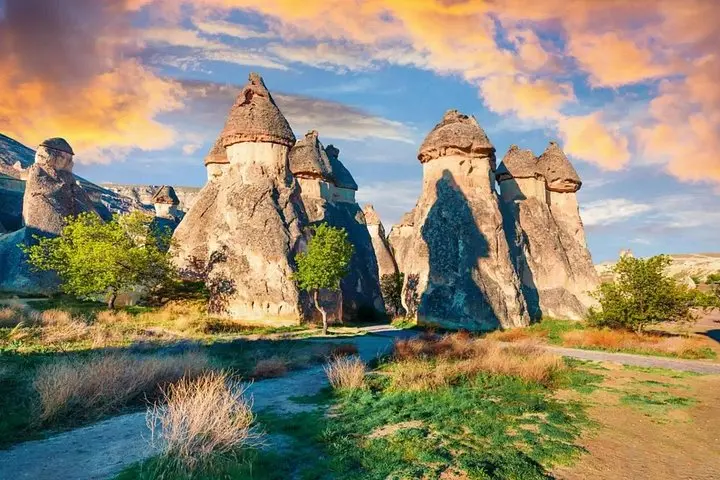
The morning light in Cappadocia slants across coagulated skies of tuff and dust, turning mushroom-shaped pinnacles into a field of quiet sentries. On the Red Tour, a compact group climbs into an air-conditioned minivan and the landscape immediately takes the lead: a moonscape of ochre ridges, narrow valleys and carved-out caves that have housed people for millennia.
Verified experiences and guided adventures in the surrounding area.
Operated by Joycap Travel Agency · Göreme, Nevşehir
The morning light in Cappadocia slants across coagulated skies of tuff and dust, turning mushroom-shaped pinnacles into a field of quiet sentries. On the Red Tour, a compact group climbs into an air-conditioned minivan and the landscape immediately takes the lead: a moonscape of ochre ridges, narrow valleys and carved-out caves that have housed people for millennia.
This is a day designed to read the story of soft volcanic rock. Millions of years ago, ash and lava from Erciyes and Hasan volcanoes settled and welded into tuff; wind and rain then began their patient sculpting. Where erosion was generous, fairy chimneys rose; where people needed shelter, they cut homes and churches directly into the stone. The tour’s guide traces these layers with both geology and local lore — Byzantine Christians who hid in the caves, Ottoman caravan routes that skirted the valleys, and modern potters in Avanos still shaping clay pulled from the Kızılırmak River.
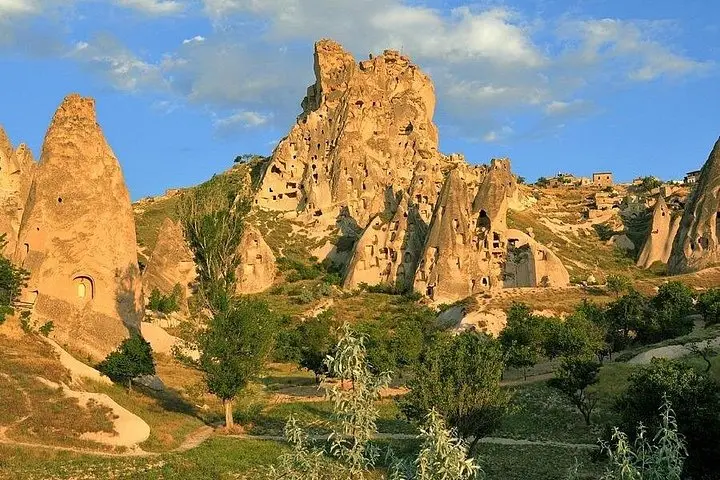
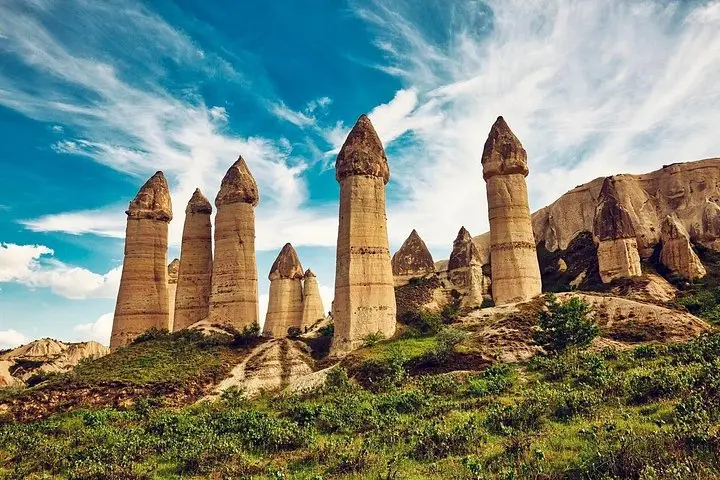
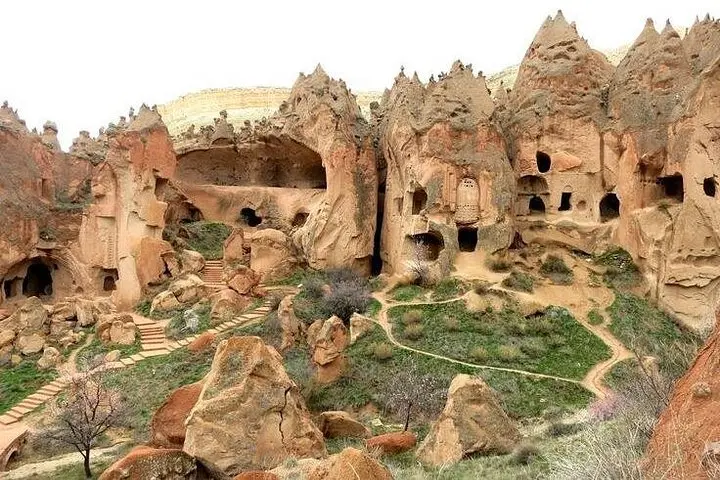
Stops are deliberately varied. Uchisar Castle sits at the region’s highest point and offers a sweeping read of the terrain: valleys folding into one another, a distant line of red-tinged ridges. Love Valley dramatizes erosion’s playfulness — columns and caps that seem to argue with the horizon. At Zelve Open Air Museum and Paşabağlar, carved chapels, monastic cells and clustered fairy chimneys let visitors step inside the architecture of survival. Devrent’s rock shapes encourage imagination, while Avanos offers a human counterpoint: hands-on pottery, spinning wheels and town cafes where smoke and clay smell like continuity.
Practicalities shape the experience. The Red Tour runs about 6–7 hours, includes lunch and most admissions, and keeps groups small for better narration and timing. Terrain is uneven: expect short walks over packed dirt and stone, stairs carved out of rock and exposed ridgelines. The light changes fast; photographers and casual walkers alike will want to time the hilltop stops for the soft hours of early morning or late afternoon. Vendors and workshops provide authentic handicrafts, but bargaining is normal for ceramics and textiles.
For planning: bring layered clothing (temperatures swing), sturdy shoes, sun protection and a refillable water bottle. Mobility limitations are manageable but some sites require steps and brief scrambles. Respect the carved interiors — many frescoes are fragile — and follow the guide’s route to reduce erosion and preserve paths for the next visitors.
The Red Tour is less about a single “big” sight and more about reading a landscape: geology daring you to look closer, history pushing through every cave mouth, and local craft answering with clay and coffee. For a day in Cappadocia that blends context with easy access, it’s a compact, well-paced primer on why this region feels unlike anywhere else.
Yes — pickup and drop-off from most Göreme-area hotels are included; confirm your pickup point when booking.
Most museum admissions and lunch are included as stated in the tour details; check specifics for any optional extras.
Yes — the tour is family-friendly; infants may need to sit on laps during transport and some walking is required.
The tour is labeled physically easy but some sites have stairs and uneven surfaces; contact the supplier if you require assistance.
Tipping is customary but discretionary; 10–15% for good service is a common guideline.
Yes — restrooms are available at most stops and at the lunch location; facilities at some remote viewpoints may be basic.
Joycap Travel Agency operates guided outdoor trips and adventures with an emphasis on safety, stewardship, and memorable experiences.
The morning light in Cappadocia slants across coagulated skies of tuff and dust, turning mushroom-shaped pinnacles into a field of quiet sentries. On the Red Tour, a compact group climbs into an air-conditioned minivan and the landscape immediately takes the lead: a moonscape of ochre ridges, narrow valleys and carved-out caves that have housed people for millennia.
The morning light in Cappadocia slants across coagulated skies of tuff and dust, turning mushroom-shaped pinnacles into a field of quiet sentries. On the Red Tour, a compact group climbs into an air-conditioned minivan and the landscape immediately takes the lead: a moonscape of ochre ridges, narrow valleys and carved-out caves that have housed people for millennia.
This is a day designed to read the story of soft volcanic rock. Millions of years ago, ash and lava from Erciyes and Hasan volcanoes settled and welded into tuff; wind and rain then began their patient sculpting. Where erosion was generous, fairy chimneys rose; where people needed shelter, they cut homes and churches directly into the stone. The tour’s guide traces these layers with both geology and local lore — Byzantine Christians who hid in the caves, Ottoman caravan routes that skirted the valleys, and modern potters in Avanos still shaping clay pulled from the Kızılırmak River.
Stops are deliberately varied. Uchisar Castle sits at the region’s highest point and offers a sweeping read of the terrain: valleys folding into one another, a distant line of red-tinged ridges. Love Valley dramatizes erosion’s playfulness — columns and caps that seem to argue with the horizon. At Zelve Open Air Museum and Paşabağlar, carved chapels, monastic cells and clustered fairy chimneys let visitors step inside the architecture of survival. Devrent’s rock shapes encourage imagination, while Avanos offers a human counterpoint: hands-on pottery, spinning wheels and town cafes where smoke and clay smell like continuity.
Practicalities shape the experience. The Red Tour runs about 6–7 hours, includes lunch and most admissions, and keeps groups small for better narration and timing. Terrain is uneven: expect short walks over packed dirt and stone, stairs carved out of rock and exposed ridgelines. The light changes fast; photographers and casual walkers alike will want to time the hilltop stops for the soft hours of early morning or late afternoon. Vendors and workshops provide authentic handicrafts, but bargaining is normal for ceramics and textiles.
For planning: bring layered clothing (temperatures swing), sturdy shoes, sun protection and a refillable water bottle. Mobility limitations are manageable but some sites require steps and brief scrambles. Respect the carved interiors — many frescoes are fragile — and follow the guide’s route to reduce erosion and preserve paths for the next visitors.
The Red Tour is less about a single “big” sight and more about reading a landscape: geology daring you to look closer, history pushing through every cave mouth, and local craft answering with clay and coffee. For a day in Cappadocia that blends context with easy access, it’s a compact, well-paced primer on why this region feels unlike anywhere else.