THE ADVENTURE COLLECTIVE® · Independent discovery and booking for outdoor travel

Spend a full day moving between surreal rock formations, centuries-old cave churches, and the pottery workshops of Avanos. The Cappadocia Red Tour offers a compact, guided route through the region’s geology and living culture—ideal for first-time visitors who want an efficient, photo-rich introduction.
Spend a full day moving between surreal rock formations, centuries-old cave churches, and the pottery workshops of Avanos. The Cappadocia Red Tour offers a compact, guided route through the region’s geology and living culture—ideal for first-time visitors who want an efficient, photo-rich introduction.
You step off the minivan into a landscape that seems to have been sketched by a wind that thinks in stone. Columns of soft volcanic tuff rise like sentries—some capped, some weathered into mushroom shapes—casting long, cool shadows that beg for a closer look. On the Red Tour, the day moves at a deliberate pace: short walks through moonscape valleys, a pottery demonstration by the banks of the Kızılırmak, and a climb to the highest rock outcrop that watches over the region.
Verified experiences and guided adventures in the surrounding area.
Operated by Pienti Travel · Göreme, Nevşehir
You step off the minivan into a landscape that seems to have been sketched by a wind that thinks in stone. Columns of soft volcanic tuff rise like sentries—some capped, some weathered into mushroom shapes—casting long, cool shadows that beg for a closer look. On the Red Tour, the day moves at a deliberate pace: short walks through moonscape valleys, a pottery demonstration by the banks of the Kızılırmak, and a climb to the highest rock outcrop that watches over the region.
Geology here writes in layers. Millennia of ash and lava from Erciyes and Hasan volcanoes compacted into tuff; wind and seasonal runoff then carved the fairy chimneys you see in Devrent and Paşabağı. The Göreme Open-Air Museum folds human history into that geology—Byzantine monks carved churches and painted frescoes from the 4th century onward, leaving windowed caves and vaulted chapels whose colors survive because they were sheltered inside rock.
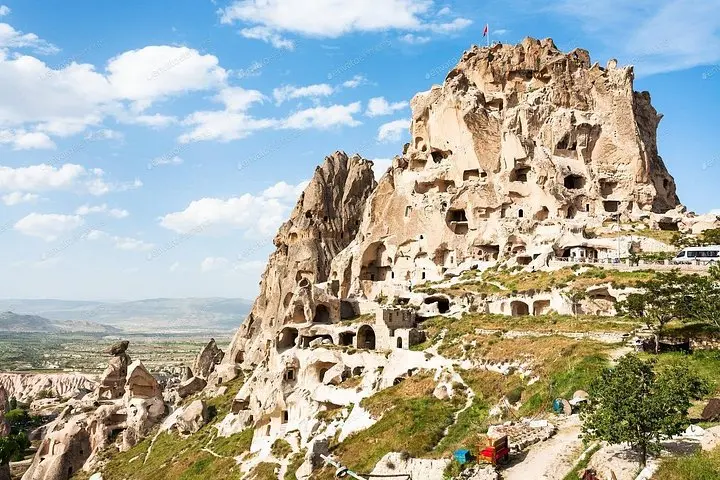
Culturally, the tour traces living crafts and ancient faiths. Avanos is still the pottery town it was under Hittite and Ottoman influence: local potters at kick wheels shape red-clay vessels using techniques passed down generations. Uchisar Castle, the tour’s final vantage, was both a refuge and a point of observation—its rooms and tunnels speak to a time when people lived inside the stone for protection.
Practically, the Red Tour is a seven-hour, vehicle-supported loop with intermittent walking. Expect cumulative walking of roughly 3–4 km on uneven, rocky trails with short stair sections (the Uchisar climb has about 100–150 steps; net elevation gain to the summit ~80–120 m). Surfaces are dusty and can be slippery after rain.
What to bring: sturdy hiking shoes, sun protection, a refillable water bottle, and a lightweight layer for morning chill. Lunch at a local restaurant is included, but carrying small change for pottery demos or café purchases helps. The tour is family-friendly and wheelchair-accessible where noted, though some sites require navigating steps and narrow passages.
Timing matters: early light sharpens textures; late afternoon softens them and narrows crowds. A guide will walk you through key frescoes at Göreme Open-Air Museum and point out geological stages at Paşabağı, so bring questions—and a charged camera. If you want quieter photo windows, ask about earlier pickups or private departures. For travelers who want a compact primer on Cappadocia’s geology, craft, and historic life carved in stone, the Red Tour lays out the essentials with enough pace to leave you wanting more, not exhausted.
The tour runs about 7 hours (420 minutes) with hotel pickup available in Goreme and nearby towns; confirm pickup point when booking.
Yes—entrance fees to museums and lunch at a local restaurant (excluding drinks) are included in the tour price.
The tour is family-friendly and lists wheelchair-accessible options, but some sites (Uchisar, valley trails) involve stairs and uneven ground—check with the operator about specific mobility needs.
Yes—the Avanos stop includes time to watch local potters and opportunity to buy pottery; small purchases are common and often cash-friendly.
Cappadocia has hot summers and cold winters; heavy rain can make valley trails slippery. The tour normally runs in most weather; check cancellation policy for rain-related changes.
Hot-air balloon flights are popular but separate—if you want both, schedule the balloon at sunrise (independent operator) and take the Red Tour later in the day.
Pienti Travel operates guided outdoor trips and adventures with an emphasis on safety, stewardship, and memorable experiences.
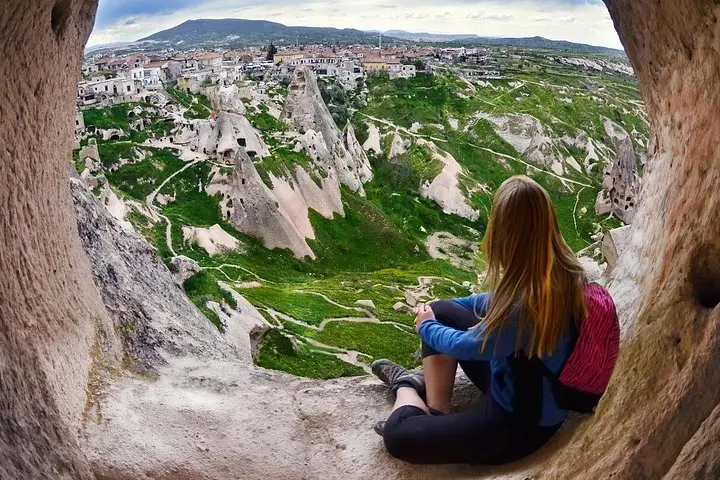
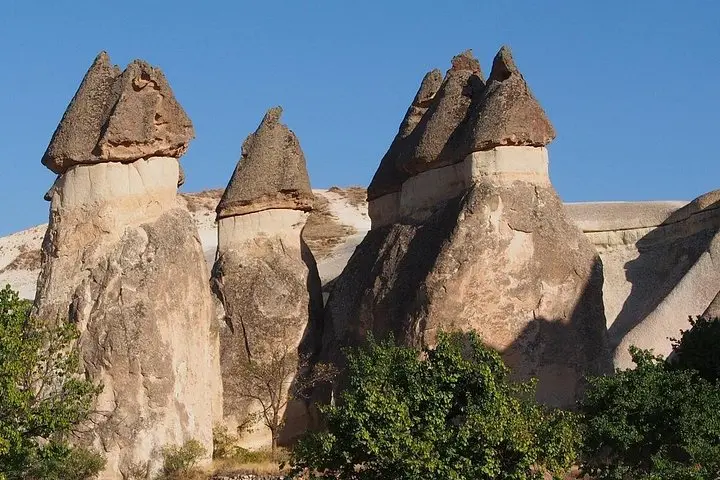
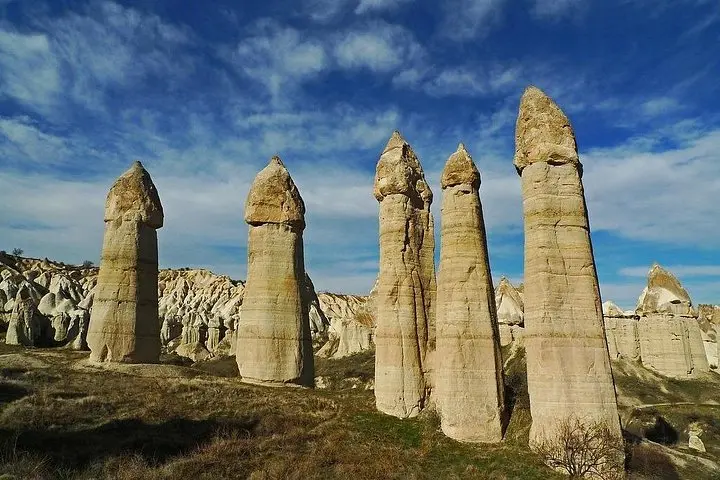
You step off the minivan into a landscape that seems to have been sketched by a wind that thinks in stone. Columns of soft volcanic tuff rise like sentries—some capped, some weathered into mushroom shapes—casting long, cool shadows that beg for a closer look. On the Red Tour, the day moves at a deliberate pace: short walks through moonscape valleys, a pottery demonstration by the banks of the Kızılırmak, and a climb to the highest rock outcrop that watches over the region.
You step off the minivan into a landscape that seems to have been sketched by a wind that thinks in stone. Columns of soft volcanic tuff rise like sentries—some capped, some weathered into mushroom shapes—casting long, cool shadows that beg for a closer look. On the Red Tour, the day moves at a deliberate pace: short walks through moonscape valleys, a pottery demonstration by the banks of the Kızılırmak, and a climb to the highest rock outcrop that watches over the region.
Geology here writes in layers. Millennia of ash and lava from Erciyes and Hasan volcanoes compacted into tuff; wind and seasonal runoff then carved the fairy chimneys you see in Devrent and Paşabağı. The Göreme Open-Air Museum folds human history into that geology—Byzantine monks carved churches and painted frescoes from the 4th century onward, leaving windowed caves and vaulted chapels whose colors survive because they were sheltered inside rock.
Culturally, the tour traces living crafts and ancient faiths. Avanos is still the pottery town it was under Hittite and Ottoman influence: local potters at kick wheels shape red-clay vessels using techniques passed down generations. Uchisar Castle, the tour’s final vantage, was both a refuge and a point of observation—its rooms and tunnels speak to a time when people lived inside the stone for protection.
Practically, the Red Tour is a seven-hour, vehicle-supported loop with intermittent walking. Expect cumulative walking of roughly 3–4 km on uneven, rocky trails with short stair sections (the Uchisar climb has about 100–150 steps; net elevation gain to the summit ~80–120 m). Surfaces are dusty and can be slippery after rain.
What to bring: sturdy hiking shoes, sun protection, a refillable water bottle, and a lightweight layer for morning chill. Lunch at a local restaurant is included, but carrying small change for pottery demos or café purchases helps. The tour is family-friendly and wheelchair-accessible where noted, though some sites require navigating steps and narrow passages.
Timing matters: early light sharpens textures; late afternoon softens them and narrows crowds. A guide will walk you through key frescoes at Göreme Open-Air Museum and point out geological stages at Paşabağı, so bring questions—and a charged camera. If you want quieter photo windows, ask about earlier pickups or private departures. For travelers who want a compact primer on Cappadocia’s geology, craft, and historic life carved in stone, the Red Tour lays out the essentials with enough pace to leave you wanting more, not exhausted.