THE ADVENTURE COLLECTIVE® · Independent discovery and booking for outdoor travel
Spend a day tracing Cappadocia’s volcanic past and living crafts on the classic Red Tour. From Uçhisar Castle panoramas to hands-on pottery in Avanos and the otherworldly fairy chimneys of Pasabag and Devrent, this full-day circuit packs geology, history, and practical sightseeing into one accessible outing.
Spend a day tracing Cappadocia’s volcanic past and living crafts on the classic Red Tour. From Uçhisar Castle panoramas to hands-on pottery in Avanos and the otherworldly fairy chimneys of Pasabag and Devrent, this full-day circuit packs geology, history, and practical sightseeing into one accessible outing.
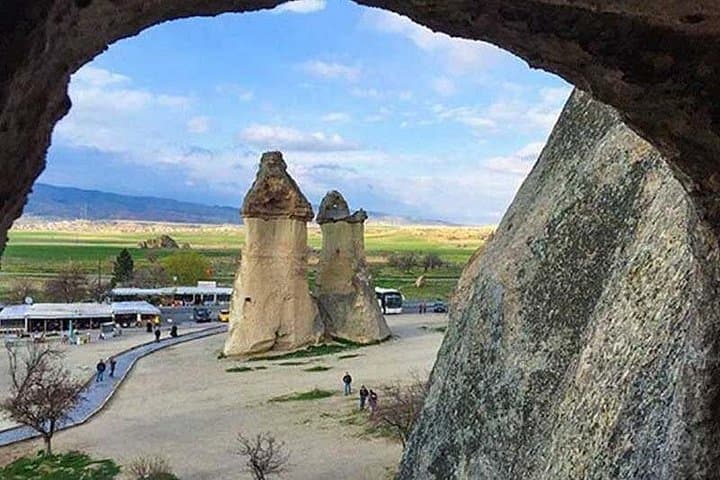
The bus slows into a wind-scoured ridge above Uçhisar and the valley opens like a landscape sketch given depth: honey-colored spires, mushroom-capped pinnacles, and the squat silhouette of Uçhisar Castle slicing the skyline. Travelers step off, cameras clicking, while a guide sketches the day's course—Byzantine churches, pottery wheels, lunch in a mountaintop village, and a string of valleys where volcanic rock has been carved by a patient wind.
Verified experiences and guided adventures in the surrounding area.
Operated by Morethancappadocia · Göreme, Nevşehir Province
The bus slows into a wind-scoured ridge above Uçhisar and the valley opens like a landscape sketch given depth: honey-colored spires, mushroom-capped pinnacles, and the squat silhouette of Uçhisar Castle slicing the skyline. Travelers step off, cameras clicking, while a guide sketches the day's course—Byzantine churches, pottery wheels, lunch in a mountaintop village, and a string of valleys where volcanic rock has been carved by a patient wind.
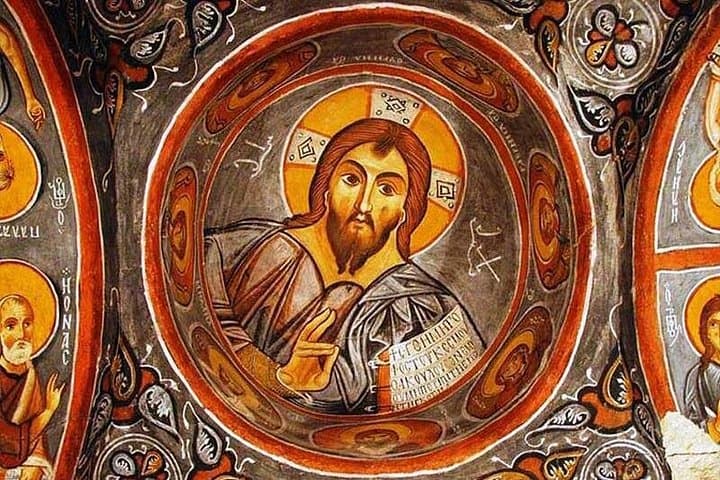
Cappadocia reads like geology and history layered together. Millennia ago, ash from Erciyes and Hasan volcanoes settled, compacting into tuff; erosion later carved chimneys and hoodoos, and human hands hollowed homes and churches into that soft stone. The Red Tour threads through this palimpsest: Göreme Open Air Museum with its frescoed Byzantine chapels; Pasabag and the surreal fairy chimneys; the lunar curves of Devrent; and Avanos, where Kızılırmak’s red clay has driven pottery traditions since Hittite times.
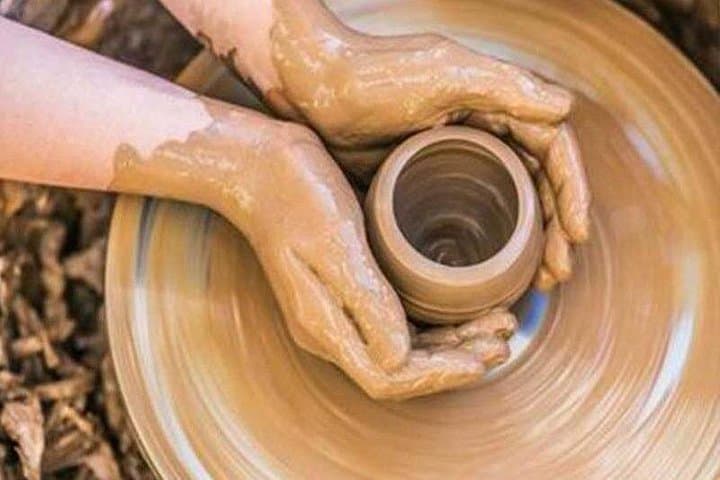
Culture arrives in tactile form—pottery under your hands in Avanos, the scrape of the wheel and gray clay forming under an artisan’s thumb—and in the small cafes where slow-brewed Turkish tea punctuates the morning. The guide’s stories stitch together how early Christians used these caves for worship and refuge, and how the same stone that protected them is now a playground for photographers and hikers.
Practicalities are clear and simple: the tour departs around 9:30 AM with hotel pickup across Cappadocia and returns by roughly 5:00 PM, after which a bus ticket to Ankara can be provided. Walks are short and mostly on packed paths and panoramic viewpoints—no technical hiking. Expect repeated photo stops, one included lunch in Uçhisar, and admissions to key open-air museums. Wear sturdy walking shoes with good soles; the tuff can be crumbly and uneven. Bring sun protection and a refillable water bottle—the central plateau can bake by midday but mornings are cool.
Timing matters: shoot sunrise balloon silhouettes from Göreme if possible on a separate morning, or plan this tour mid-morning to avoid pre-dawn crowds. Respect the rock-cut churches: no flash photography where signs prohibit it, and stay on marked routes—the formations erode quickly under unintended wear. For travelers seeking quieter moments, ask to linger at the Ortahisar viewpoint or detour into Çavuşin’s old cave lanes.
The Red Tour is compact but layered—a day's worth of geology, Byzantine memory, and living craft that leaves you with more than photos: a clearer sense of how landscape and human history shape each other in Cappadocia.
The tour runs about 6–7 hours, typically departing around 9:30 AM with hotel pickup and ending around 5:00 PM.
Yes, a sit-down lunch in Uçhisar is included in the itinerary.
Admissions to listed open-air museums are included as noted in the itinerary.
Infants must sit on an adult’s lap according to the operator’s policy.
This tour is not recommended for travelers with spinal injuries, serious heart conditions, or pregnancy due to vehicle transfers and uneven walking surfaces.
Yes, the operator provides a bus ticket to Ankara after the tour, typically around 17:00.
Morethancappadocia operates guided outdoor trips and adventures with an emphasis on safety, stewardship, and memorable experiences.

The bus slows into a wind-scoured ridge above Uçhisar and the valley opens like a landscape sketch given depth: honey-colored spires, mushroom-capped pinnacles, and the squat silhouette of Uçhisar Castle slicing the skyline. Travelers step off, cameras clicking, while a guide sketches the day's course—Byzantine churches, pottery wheels, lunch in a mountaintop village, and a string of valleys where volcanic rock has been carved by a patient wind.
The bus slows into a wind-scoured ridge above Uçhisar and the valley opens like a landscape sketch given depth: honey-colored spires, mushroom-capped pinnacles, and the squat silhouette of Uçhisar Castle slicing the skyline. Travelers step off, cameras clicking, while a guide sketches the day's course—Byzantine churches, pottery wheels, lunch in a mountaintop village, and a string of valleys where volcanic rock has been carved by a patient wind.
Cappadocia reads like geology and history layered together. Millennia ago, ash from Erciyes and Hasan volcanoes settled, compacting into tuff; erosion later carved chimneys and hoodoos, and human hands hollowed homes and churches into that soft stone. The Red Tour threads through this palimpsest: Göreme Open Air Museum with its frescoed Byzantine chapels; Pasabag and the surreal fairy chimneys; the lunar curves of Devrent; and Avanos, where Kızılırmak’s red clay has driven pottery traditions since Hittite times.
Culture arrives in tactile form—pottery under your hands in Avanos, the scrape of the wheel and gray clay forming under an artisan’s thumb—and in the small cafes where slow-brewed Turkish tea punctuates the morning. The guide’s stories stitch together how early Christians used these caves for worship and refuge, and how the same stone that protected them is now a playground for photographers and hikers.
Practicalities are clear and simple: the tour departs around 9:30 AM with hotel pickup across Cappadocia and returns by roughly 5:00 PM, after which a bus ticket to Ankara can be provided. Walks are short and mostly on packed paths and panoramic viewpoints—no technical hiking. Expect repeated photo stops, one included lunch in Uçhisar, and admissions to key open-air museums. Wear sturdy walking shoes with good soles; the tuff can be crumbly and uneven. Bring sun protection and a refillable water bottle—the central plateau can bake by midday but mornings are cool.
Timing matters: shoot sunrise balloon silhouettes from Göreme if possible on a separate morning, or plan this tour mid-morning to avoid pre-dawn crowds. Respect the rock-cut churches: no flash photography where signs prohibit it, and stay on marked routes—the formations erode quickly under unintended wear. For travelers seeking quieter moments, ask to linger at the Ortahisar viewpoint or detour into Çavuşin’s old cave lanes.
The Red Tour is compact but layered—a day's worth of geology, Byzantine memory, and living craft that leaves you with more than photos: a clearer sense of how landscape and human history shape each other in Cappadocia.
