THE ADVENTURE COLLECTIVE® · Independent discovery and booking for outdoor travel

Board a traditional open gozzo at Marina Grande and circle Capri’s coastline to photograph the Faraglioni, peer into colorful grottoes and stop for swims in crystalline water. Morning departures increase the odds of visiting the Blue Grotto; tours include snorkel gear and drinks.
Board a traditional open gozzo at Marina Grande and circle Capri’s coastline to photograph the Faraglioni, peer into colorful grottoes and stop for swims in crystalline water. Morning departures increase the odds of visiting the Blue Grotto; tours include snorkel gear and drinks.
You step off the quay at Marina Grande and the boat rocks gently underfoot as the skipper knots the line. Salt air pushes at your jacket, gulls circle above limestone cliffs, and the first view of the Faraglioni rises like a weathered gate to the island. The Fratelli Aprea open gozzo slips into a ribbon of cobalt and, within minutes, the island rearranges itself — caves yawning dark, a green shelf of water glinting unexpectedly.
Verified experiences and guided adventures in the surrounding area.
Operated by Antoniocapriboats · Capri, Campania
You step off the quay at Marina Grande and the boat rocks gently underfoot as the skipper knots the line. Salt air pushes at your jacket, gulls circle above limestone cliffs, and the first view of the Faraglioni rises like a weathered gate to the island. The Fratelli Aprea open gozzo slips into a ribbon of cobalt and, within minutes, the island rearranges itself — caves yawning dark, a green shelf of water glinting unexpectedly.
Capri’s coastline is a lesson in geology and human history. Sea-worn limestone and fractured dolomite form grottos and stacks; the Faraglioni are erosional remnants where waves have chipped away softer rock. Romans favored Capri—imperial villas and Anacapri relics dot the interior—while fishing and small-boat seamanship shape the island’s maritime culture today. The Blue Grotto’s electric glow is optical physics: sunlight refracts under a low entrance and floods the chamber with blue-reflected light.
Practically, tours meet at Marina Grande (Pentagon Bar, Piazzetta Angelo Ferraro 5) and run about four hours, with options to extend for lunch. Expect close passes of the White, Green and Blue caves; entry to the Blue Grotto is managed separately and requires a rowboat transfer. Skipper provides towels, snorkel gear and cold drinks; you can stop to swim in clear water near coves. Morning visits improve chances for calm seas and Blue Grotto entry; late-afternoon runs carry the colors of sunset.
Bring sun protection, a quick-dry towel, a light wind layer and respect marine meadows — do not anchor on Posidonia beds. The trip is easy physically but watch for sudden wakes and follow the skipper’s safety brief.
No—Blue Grotto entry is managed locally and paid separately; small rowboats transport visitors from the tour boat into the grotto when conditions allow.
The tour meets at Marina Grande, Pentagon Bar Piazzetta Angelo Ferraro 5; the skipper will pick up guests from the bar area and guide boarding.
Yes—most itineraries include at least one swim stop in a sheltered cove; snorkeling gear is provided on board.
Yes—infants can join but must sit on an adult’s lap; the trip is rated easy, though small-boat transfers and open decks require supervision.
Antoniocapriboats operates guided outdoor trips and adventures with an emphasis on safety, stewardship, and memorable experiences.
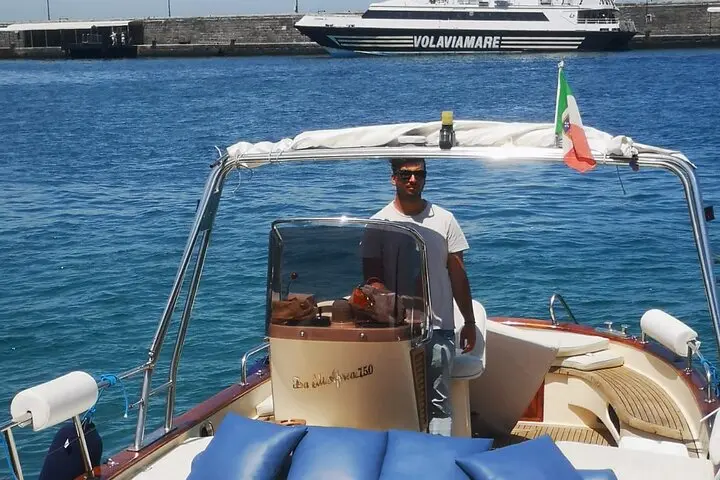
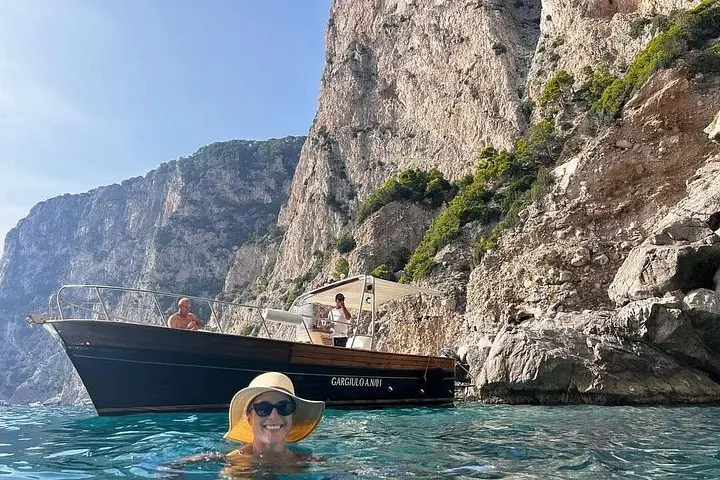
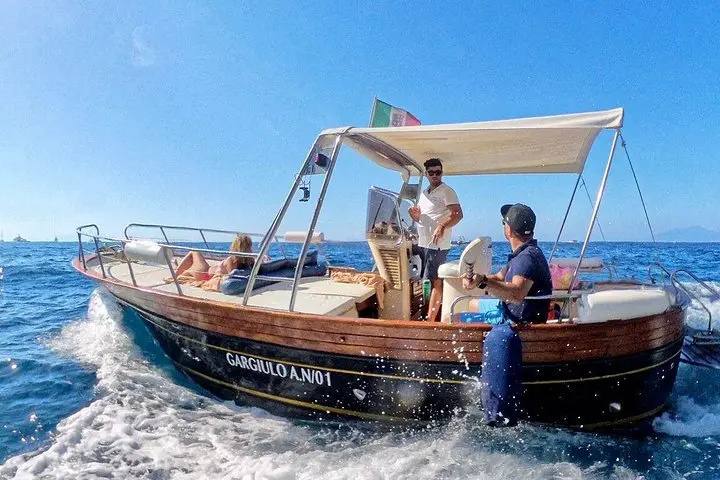
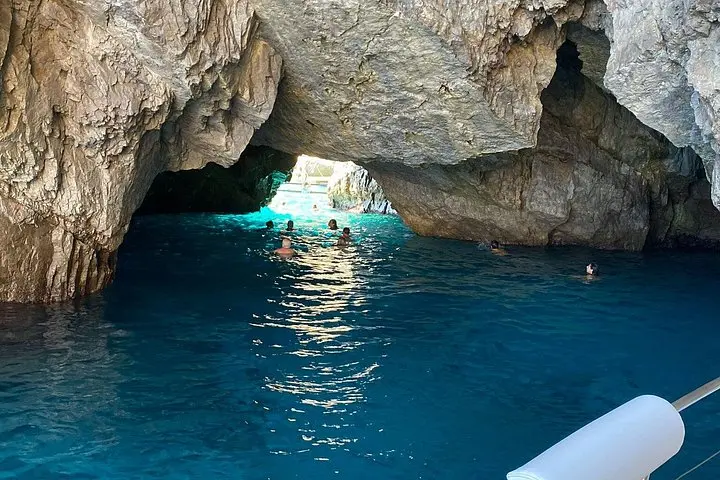
You step off the quay at Marina Grande and the boat rocks gently underfoot as the skipper knots the line. Salt air pushes at your jacket, gulls circle above limestone cliffs, and the first view of the Faraglioni rises like a weathered gate to the island. The Fratelli Aprea open gozzo slips into a ribbon of cobalt and, within minutes, the island rearranges itself — caves yawning dark, a green shelf of water glinting unexpectedly.
You step off the quay at Marina Grande and the boat rocks gently underfoot as the skipper knots the line. Salt air pushes at your jacket, gulls circle above limestone cliffs, and the first view of the Faraglioni rises like a weathered gate to the island. The Fratelli Aprea open gozzo slips into a ribbon of cobalt and, within minutes, the island rearranges itself — caves yawning dark, a green shelf of water glinting unexpectedly.
Capri’s coastline is a lesson in geology and human history. Sea-worn limestone and fractured dolomite form grottos and stacks; the Faraglioni are erosional remnants where waves have chipped away softer rock. Romans favored Capri—imperial villas and Anacapri relics dot the interior—while fishing and small-boat seamanship shape the island’s maritime culture today. The Blue Grotto’s electric glow is optical physics: sunlight refracts under a low entrance and floods the chamber with blue-reflected light.
Practically, tours meet at Marina Grande (Pentagon Bar, Piazzetta Angelo Ferraro 5) and run about four hours, with options to extend for lunch. Expect close passes of the White, Green and Blue caves; entry to the Blue Grotto is managed separately and requires a rowboat transfer. Skipper provides towels, snorkel gear and cold drinks; you can stop to swim in clear water near coves. Morning visits improve chances for calm seas and Blue Grotto entry; late-afternoon runs carry the colors of sunset.
Bring sun protection, a quick-dry towel, a light wind layer and respect marine meadows — do not anchor on Posidonia beds. The trip is easy physically but watch for sudden wakes and follow the skipper’s safety brief.