THE ADVENTURE COLLECTIVE® · Independent discovery and booking for outdoor travel

Catch a high-speed hydrofoil from Naples to Capri for a day of cliffside views, Anacapri exploration, and lunch at a local restaurant. This guided full-day trip combines the island's Roman history, chairlift vistas, and the Gardens of Augustus with practical local advice.
Catch a high-speed hydrofoil from Naples to Capri for a day of cliffside views, Anacapri exploration, and lunch at a local restaurant. This guided full-day trip combines the island's Roman history, chairlift vistas, and the Gardens of Augustus with practical local advice.
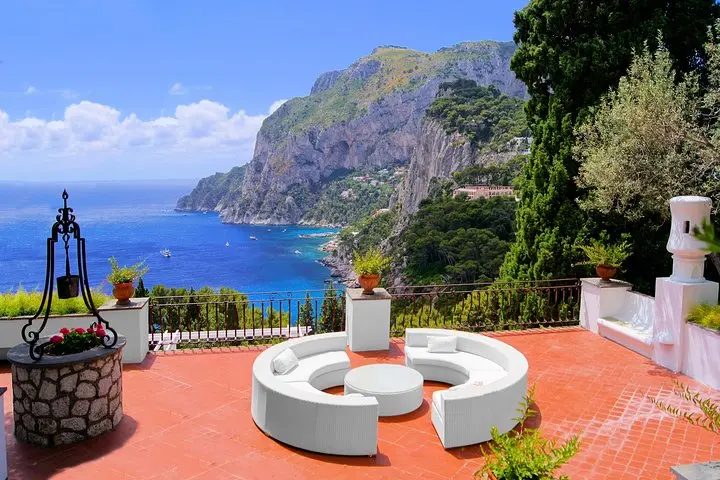
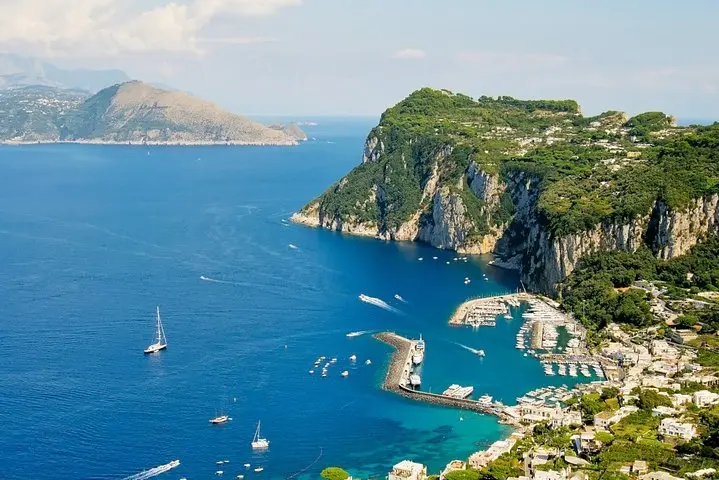
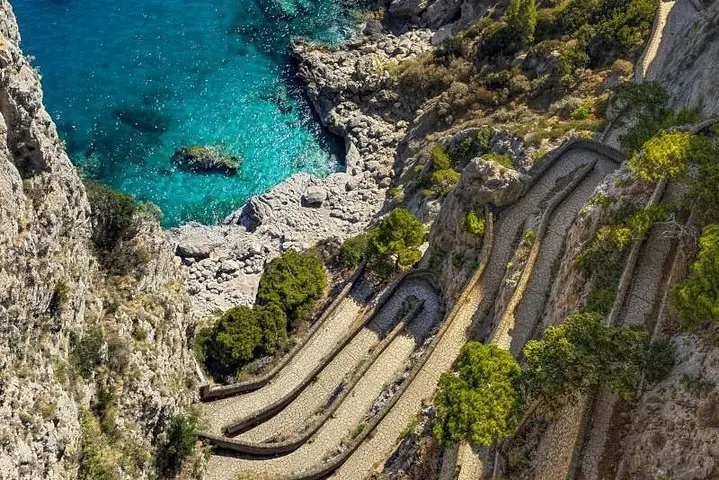
Stepping off the hydrofoil at Marina Grande, the island of Capri announces itself with a bright, briny wind and cliffs that seem to push the sea outward. The ferry's wake settles, and the island's stair-stepped lanes and sun-washed terraces pull visitors inland—toward Anacapri's quieter streets, the chairlift to Monte Solaro, and the clipped gardens overlooking the Faraglioni.
Verified experiences and guided adventures in the surrounding area.
Operated by Project Napoli Service · Capri, Campania
Stepping off the hydrofoil at Marina Grande, the island of Capri announces itself with a bright, briny wind and cliffs that seem to push the sea outward. The ferry's wake settles, and the island's stair-stepped lanes and sun-washed terraces pull visitors inland—toward Anacapri's quieter streets, the chairlift to Monte Solaro, and the clipped gardens overlooking the Faraglioni.
Capri's story is layered: Roman emperors claimed villas here, leaving terraces and ancient foundations; later, 19th- and early-20th-century expatriates like Axel Munthe shaped its cultural map. Geologically, the island is limestone carved by sea and rain into sheer rock faces and grottos; the Blue Grotto is a product of that erosive conversation between water and stone.
Culturally, Capri balances high-end boutiques in Capri town with artisan workshops and olive terraces in Anacapri. Local guides point out vantage spots—the Gardens of Augustus for sweeping views, Punta Carena for sunset light—and explain tides and visitor flow. The sea around the island is lively and can dictate access to certain attractions (the Blue Grotto visit depends on conditions).
Practically, expect a full-day rhythm: a high-speed crossing from Naples, guided time in Anacapri with options—chairlift or Villa San Michele—and a leisurely lunch before a guided walk to the Gardens of Augustus. Wear comfortable, treaded shoes for stone steps and uneven alleys, carry a refillable water bottle, and plan for sun: there's little shade on many viewpoints. If sea conditions or crowds alter plans, guides typically offer alternatives so the day remains focused on Capri's views, history, and coastal energy.
Some central hotels are included for pickup and drop-off; confirm your hotel on booking and arrive at the listed pickup point on time.
No, Blue Grotto entry and the small-boat transfer into the grotto are not included and depend on sea conditions and crowds.
Lunch at a local restaurant is included, but drinks are typically excluded—carry cash or a card for beverages or extras.
The tour involves cobbled streets and steps; Anacapri's chairlift reduces some walking, but travelers with mobility concerns should advise the operator before booking.
Project Napoli Service operates guided outdoor trips and adventures with an emphasis on safety, stewardship, and memorable experiences.
Stepping off the hydrofoil at Marina Grande, the island of Capri announces itself with a bright, briny wind and cliffs that seem to push the sea outward. The ferry's wake settles, and the island's stair-stepped lanes and sun-washed terraces pull visitors inland—toward Anacapri's quieter streets, the chairlift to Monte Solaro, and the clipped gardens overlooking the Faraglioni.
Stepping off the hydrofoil at Marina Grande, the island of Capri announces itself with a bright, briny wind and cliffs that seem to push the sea outward. The ferry's wake settles, and the island's stair-stepped lanes and sun-washed terraces pull visitors inland—toward Anacapri's quieter streets, the chairlift to Monte Solaro, and the clipped gardens overlooking the Faraglioni.
Capri's story is layered: Roman emperors claimed villas here, leaving terraces and ancient foundations; later, 19th- and early-20th-century expatriates like Axel Munthe shaped its cultural map. Geologically, the island is limestone carved by sea and rain into sheer rock faces and grottos; the Blue Grotto is a product of that erosive conversation between water and stone.
Culturally, Capri balances high-end boutiques in Capri town with artisan workshops and olive terraces in Anacapri. Local guides point out vantage spots—the Gardens of Augustus for sweeping views, Punta Carena for sunset light—and explain tides and visitor flow. The sea around the island is lively and can dictate access to certain attractions (the Blue Grotto visit depends on conditions).
Practically, expect a full-day rhythm: a high-speed crossing from Naples, guided time in Anacapri with options—chairlift or Villa San Michele—and a leisurely lunch before a guided walk to the Gardens of Augustus. Wear comfortable, treaded shoes for stone steps and uneven alleys, carry a refillable water bottle, and plan for sun: there's little shade on many viewpoints. If sea conditions or crowds alter plans, guides typically offer alternatives so the day remains focused on Capri's views, history, and coastal energy.