THE ADVENTURE COLLECTIVE® · Independent discovery and booking for outdoor travel

Board a locally guided cruise from Picton to Ship Cove and Motuara Island where marine biologists lead wildlife spotting and historical commentary. Expect dolphin encounters, seabirds, and accessible short walks on protected islands.
Board a locally guided cruise from Picton to Ship Cove and Motuara Island where marine biologists lead wildlife spotting and historical commentary. Expect dolphin encounters, seabirds, and accessible short walks on protected islands.
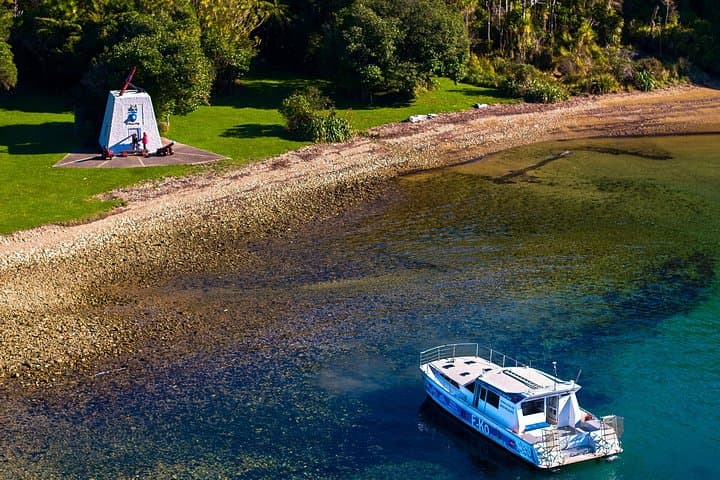
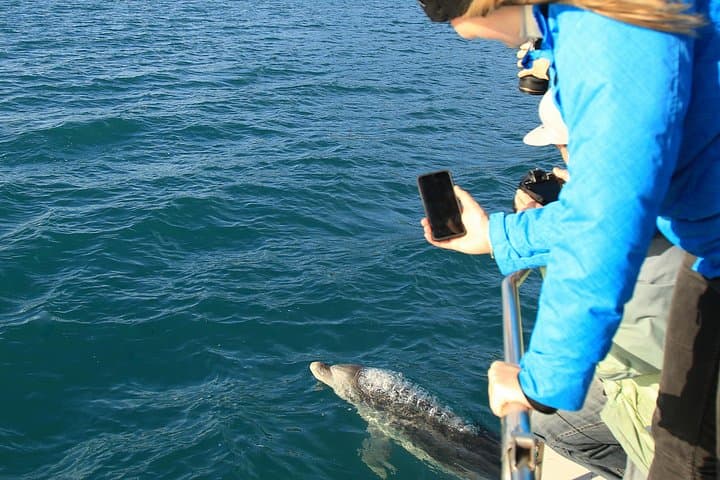
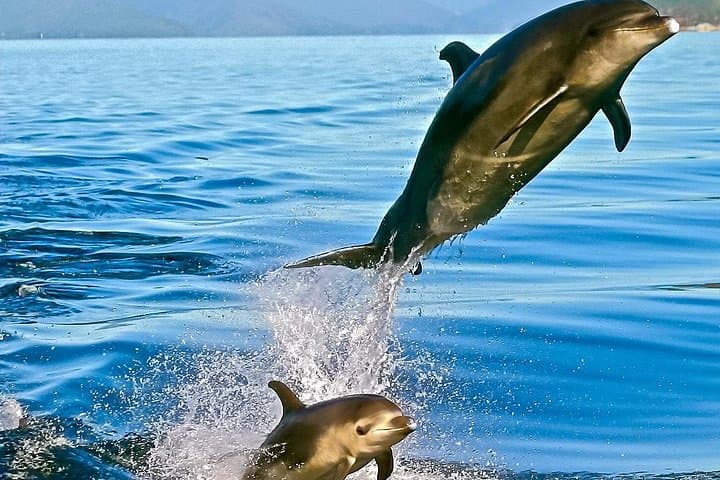
You step off Picton's marina into salt air and a boat that hums rather than shudders, the hills of the Marlborough Sounds folding away in layers of green and grey. Dolphins arc ahead of the bow, curious and quick, while a team of marine biologists narrates each sighting — the ocean here feels alive and intentional, as if the water itself is guiding the day.
Verified experiences and guided adventures in the surrounding area.
Operated by E-Ko New Zealand Ltd · Picton, Marlborough
You step off Picton's marina into salt air and a boat that hums rather than shudders, the hills of the Marlborough Sounds folding away in layers of green and grey. Dolphins arc ahead of the bow, curious and quick, while a team of marine biologists narrates each sighting — the ocean here feels alive and intentional, as if the water itself is guiding the day.
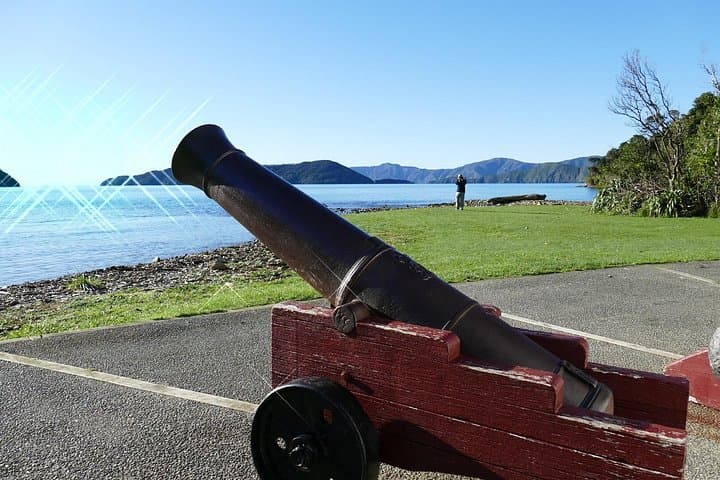
Geology and history sit close together: the Sounds are drowned valleys carved by rivers and shaped by tectonics, their steep shorelines capped in native forest. Ship Cove (Meretoto) is where Captain James Cook spent extended time in these waters; you'll land where European exploration, Māori local knowledge, and natural history intersect. Motuara Island nearby is managed as a reserve, a refuge for seabirds and flightless land birds restored through pest control.
Expect bird calls, the slap of water against the hull, and guide commentary that weaves species ID with Cook-era stories. Photography opportunities are many: dolphins in the shallows, shearwaters riding thermals, and the calm coves where hake and reef life gather.
Practicalities are straightforward. Tours run about four hours; bring layers and binoculars provided onboard or use your own, check in 15 minutes early, and be prepared for brief landings at protected sites where walking is on maintained tracks. Morning departures often meet calmer seas and better light. Respect wildlife distances, follow guide instructions during landings, and pack a small daypack with water, sun protection, and wet weather gear. This is a low-effort, high-reward way to read the Marlborough coastline up close.
The full experience lasts about four hours, including wildlife watching and a short stop at Ship Cove/Motuara Island.
No wildlife sightings can be guaranteed, but guided cruises with marine biologists maximize chances and know recent hotspots.
Yes; the trip is family-friendly, though young children should be supervised during landings and on the open deck.
Bookings typically include professional guides, national park fees, light refreshments, live commentary, and access to loan binoculars or species ID cards.
E-Ko New Zealand Ltd operates guided outdoor trips and adventures with an emphasis on safety, stewardship, and memorable experiences.
You step off Picton's marina into salt air and a boat that hums rather than shudders, the hills of the Marlborough Sounds folding away in layers of green and grey. Dolphins arc ahead of the bow, curious and quick, while a team of marine biologists narrates each sighting — the ocean here feels alive and intentional, as if the water itself is guiding the day.
You step off Picton's marina into salt air and a boat that hums rather than shudders, the hills of the Marlborough Sounds folding away in layers of green and grey. Dolphins arc ahead of the bow, curious and quick, while a team of marine biologists narrates each sighting — the ocean here feels alive and intentional, as if the water itself is guiding the day.
Geology and history sit close together: the Sounds are drowned valleys carved by rivers and shaped by tectonics, their steep shorelines capped in native forest. Ship Cove (Meretoto) is where Captain James Cook spent extended time in these waters; you'll land where European exploration, Māori local knowledge, and natural history intersect. Motuara Island nearby is managed as a reserve, a refuge for seabirds and flightless land birds restored through pest control.
Expect bird calls, the slap of water against the hull, and guide commentary that weaves species ID with Cook-era stories. Photography opportunities are many: dolphins in the shallows, shearwaters riding thermals, and the calm coves where hake and reef life gather.
Practicalities are straightforward. Tours run about four hours; bring layers and binoculars provided onboard or use your own, check in 15 minutes early, and be prepared for brief landings at protected sites where walking is on maintained tracks. Morning departures often meet calmer seas and better light. Respect wildlife distances, follow guide instructions during landings, and pack a small daypack with water, sun protection, and wet weather gear. This is a low-effort, high-reward way to read the Marlborough coastline up close.