THE ADVENTURE COLLECTIVE® · Independent discovery and booking for outdoor travel

Explore Liverpool on a private two-hour walking tour that moves from the Liver Building and Royal Albert Dock through orchards of civic architecture and modern retail. A guided route that blends maritime history, local culture, and practical tips for making the most of a short city visit.
Explore Liverpool on a private two-hour walking tour that moves from the Liver Building and Royal Albert Dock through orchards of civic architecture and modern retail. A guided route that blends maritime history, local culture, and practical tips for making the most of a short city visit.
You step off the pavement and the River Mersey immediately pulls at your attention — a wide, brackish current that has shaped Liverpool’s fortunes and spine. The Liver Building looms ahead, its guardian birds surveying ferries and gulls alike, while the brick facades and polished glass of the city slip from Georgian grace to contemporary pulse as you walk.
Verified experiences and guided adventures in the surrounding area.
Operated by Opatrip England · Liverpool, Merseyside
You step off the pavement and the River Mersey immediately pulls at your attention — a wide, brackish current that has shaped Liverpool’s fortunes and spine. The Liver Building looms ahead, its guardian birds surveying ferries and gulls alike, while the brick facades and polished glass of the city slip from Georgian grace to contemporary pulse as you walk.
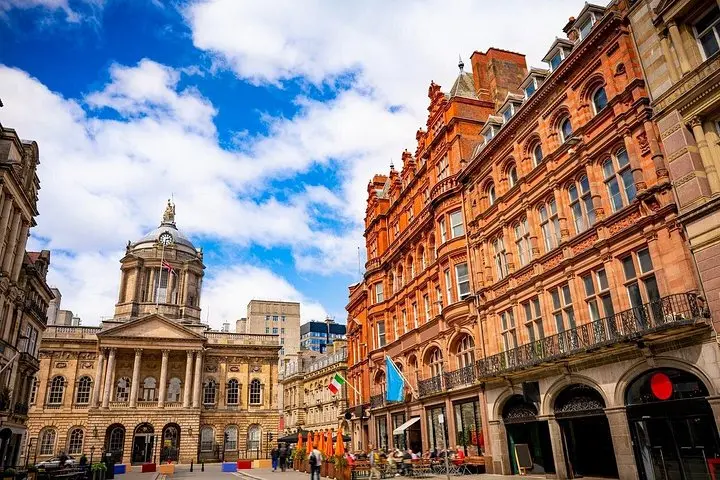
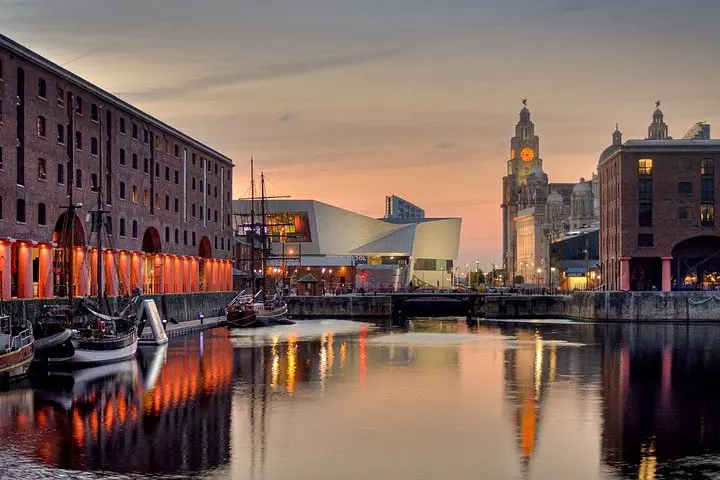
Liverpool’s story is maritime: a booming 18th–19th century port that sent goods, people and ideas across the globe. The Royal Albert Dock, once a working quay, now holds museums and restaurants in former warehouses; nearby civic landmarks like St George’s Hall and the Town Hall reflect Victorian confidence and neoclassical ambition. Geology and location matter here — the Mersey estuary carved the low-lying plain, allowing docks to expand and the city to grow outward rather than up.
Culture arrives in layers: shipping wealth, Irish migration, the rise of popular music and an enduring football fandom. Local guides link architecture to anecdotes — ship manifests, the Beatles’ early haunts, and the social shifts that reshaped neighborhoods.
Practical guidance: this private two-hour walk covers mostly flat, paved surfaces and is suitable for all fitness levels. Wear comfortable shoes, bring a windproof layer and a small umbrella — Liverpool weather changes quickly. Morning light is best for photos of the waterfront; late afternoon brings warmer tones on brick and water. Public transport and parking are close to meeting points; book a private guide to tailor the route and learn local stories you won’t find in guidebooks.
The private walking tour runs approximately two hours and covers waterfront and central city highlights.
Yes — the route is mostly flat and suitable for those with limited mobility, but check specifics with the operator for wheelchair access at certain stops.
Yes — as a private tour your guide can tailor stops and pacing to interests like architecture, music history, or food recommendations.
Full refunds are available if you cancel at least 24 hours before the scheduled start time; mobile tickets are accepted.
Opatrip England operates guided outdoor trips and adventures with an emphasis on safety, stewardship, and memorable experiences.

You step off the pavement and the River Mersey immediately pulls at your attention — a wide, brackish current that has shaped Liverpool’s fortunes and spine. The Liver Building looms ahead, its guardian birds surveying ferries and gulls alike, while the brick facades and polished glass of the city slip from Georgian grace to contemporary pulse as you walk.
You step off the pavement and the River Mersey immediately pulls at your attention — a wide, brackish current that has shaped Liverpool’s fortunes and spine. The Liver Building looms ahead, its guardian birds surveying ferries and gulls alike, while the brick facades and polished glass of the city slip from Georgian grace to contemporary pulse as you walk.
Liverpool’s story is maritime: a booming 18th–19th century port that sent goods, people and ideas across the globe. The Royal Albert Dock, once a working quay, now holds museums and restaurants in former warehouses; nearby civic landmarks like St George’s Hall and the Town Hall reflect Victorian confidence and neoclassical ambition. Geology and location matter here — the Mersey estuary carved the low-lying plain, allowing docks to expand and the city to grow outward rather than up.
Culture arrives in layers: shipping wealth, Irish migration, the rise of popular music and an enduring football fandom. Local guides link architecture to anecdotes — ship manifests, the Beatles’ early haunts, and the social shifts that reshaped neighborhoods.
Practical guidance: this private two-hour walk covers mostly flat, paved surfaces and is suitable for all fitness levels. Wear comfortable shoes, bring a windproof layer and a small umbrella — Liverpool weather changes quickly. Morning light is best for photos of the waterfront; late afternoon brings warmer tones on brick and water. Public transport and parking are close to meeting points; book a private guide to tailor the route and learn local stories you won’t find in guidebooks.