THE ADVENTURE COLLECTIVE® · Independent discovery and booking for outdoor travel

Spend five hours moving from temple islands to banyan-lined avenues and colonial gardens, capturing Pune’s most photogenic corners with a private guide. This practical, low-hassle loop pairs historic sites like Pataleshwar and Aga Khan Palace with leafy urban scenes at Koregaon Park.
Spend five hours moving from temple islands to banyan-lined avenues and colonial gardens, capturing Pune’s most photogenic corners with a private guide. This practical, low-hassle loop pairs historic sites like Pataleshwar and Aga Khan Palace with leafy urban scenes at Koregaon Park.
You start before the city stirs—traffic a distant rumble—as the van eases into Saras Baug and the Ganesh temple appears on its island, lotus leaves rippling like small shields. Early-morning joggers circle the park; sunlight threads through banyan roots in Koregaon Park, turning tangled wood into foreground drama for your lens.
Verified experiences and guided adventures in the surrounding area.
Operated by TripBea · Pune, Maharashtra
You start before the city stirs—traffic a distant rumble—as the van eases into Saras Baug and the Ganesh temple appears on its island, lotus leaves rippling like small shields. Early-morning joggers circle the park; sunlight threads through banyan roots in Koregaon Park, turning tangled wood into foreground drama for your lens.
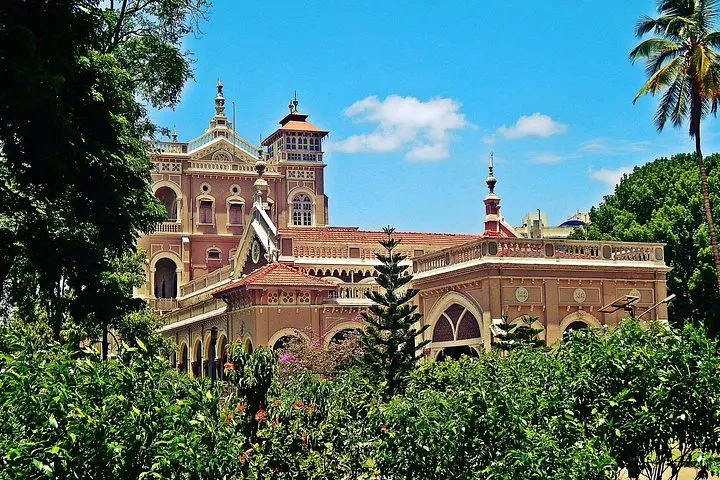
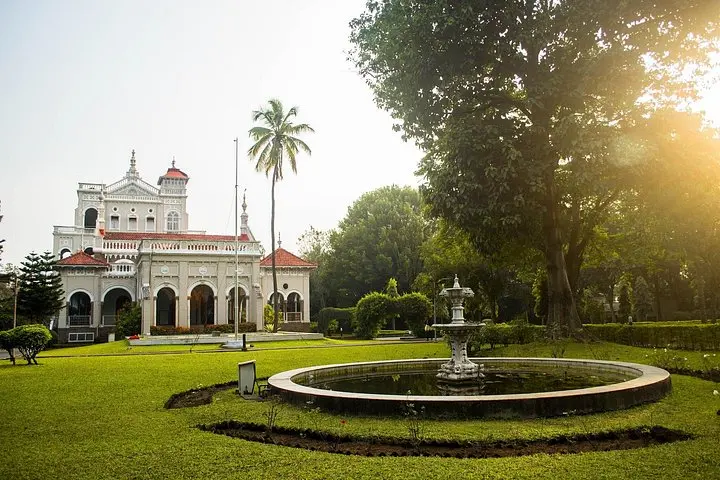
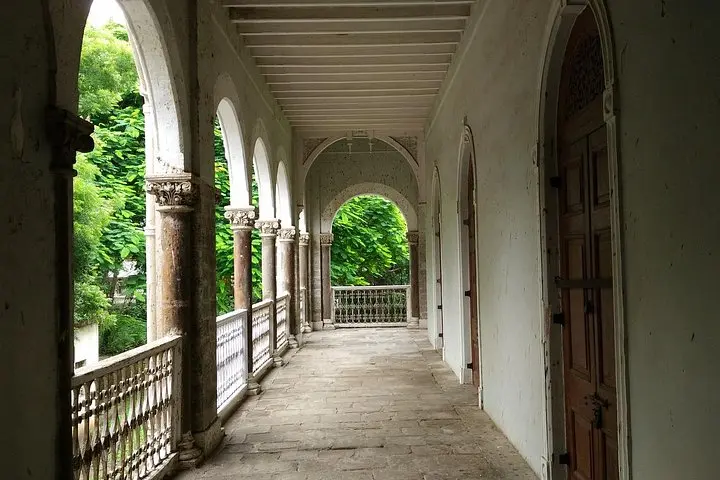
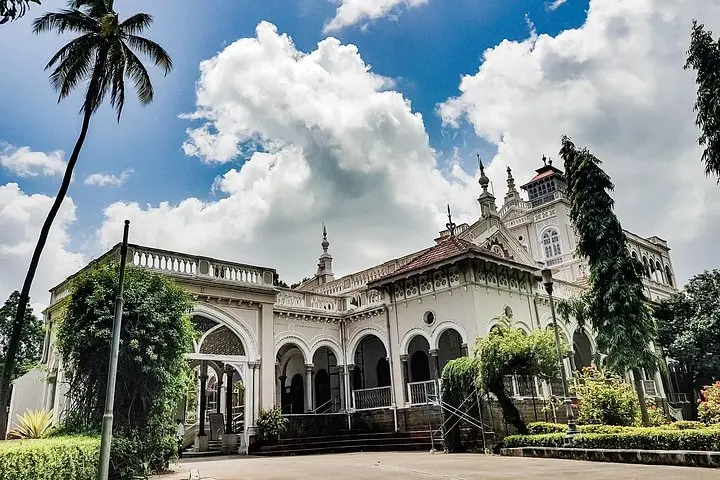
This route stitches together Pune’s public life and layered past. Pataleshwar is an 8th-century rock-cut Shiva shrine carved from Deccan basalt—its worn pillars and cool rock face feel older than the city around it. Aga Khan Palace, built in the late 19th century, carries a quieter historic weight as the site where Gandhi and colleagues were held; its formal gardens and long façades suit composed portraits and wide-angle frames.
Culturally, the tour reads like a cross-section: temple rituals and temple-side fish and turtle activity at the lakeshore, leafy high-street culture in Koregaon Park, and colonial-era architecture at Aga Khan. The basalt geology and the city’s patchwork of parks give distinctly different textures for photos—hard volcanic stone, soft water reflections, and deep banyan shadow.
Practical guide: plan this as a five-hour loop with short walks at each stop. Morning light favors the lake and banyans; late afternoon brings softer tones at Aga Khan Palace. Wear supportive shoes for uneven rock at Pataleshwar, carry a charged camera or phone and a power bank, and bring a small bottle of water—heat and humidity can climb quickly. Respect religious spaces: modest clothing and asking before photographing people keeps the experience smooth. With a local guide handling parking, tolls and timing, the day focuses on composition, context, and clean, memorable images of Pune.
Admission to some sites like Aga Khan Palace may require tickets; confirm with the operator—this tour usually handles parking and guide fees but not optional entrance charges.
Yes—tour information lists the activity as easy and suitable for all ages; infants must sit on laps during transport.
Private transfers are included; specify your preferred pickup point when booking and confirm timing with the operator.
Drone use is generally restricted near heritage sites and religious areas—check local regulations and get explicit permission before attempting drone photography.
TripBea operates guided outdoor trips and adventures with an emphasis on safety, stewardship, and memorable experiences.
You start before the city stirs—traffic a distant rumble—as the van eases into Saras Baug and the Ganesh temple appears on its island, lotus leaves rippling like small shields. Early-morning joggers circle the park; sunlight threads through banyan roots in Koregaon Park, turning tangled wood into foreground drama for your lens.
You start before the city stirs—traffic a distant rumble—as the van eases into Saras Baug and the Ganesh temple appears on its island, lotus leaves rippling like small shields. Early-morning joggers circle the park; sunlight threads through banyan roots in Koregaon Park, turning tangled wood into foreground drama for your lens.
This route stitches together Pune’s public life and layered past. Pataleshwar is an 8th-century rock-cut Shiva shrine carved from Deccan basalt—its worn pillars and cool rock face feel older than the city around it. Aga Khan Palace, built in the late 19th century, carries a quieter historic weight as the site where Gandhi and colleagues were held; its formal gardens and long façades suit composed portraits and wide-angle frames.
Culturally, the tour reads like a cross-section: temple rituals and temple-side fish and turtle activity at the lakeshore, leafy high-street culture in Koregaon Park, and colonial-era architecture at Aga Khan. The basalt geology and the city’s patchwork of parks give distinctly different textures for photos—hard volcanic stone, soft water reflections, and deep banyan shadow.
Practical guide: plan this as a five-hour loop with short walks at each stop. Morning light favors the lake and banyans; late afternoon brings softer tones at Aga Khan Palace. Wear supportive shoes for uneven rock at Pataleshwar, carry a charged camera or phone and a power bank, and bring a small bottle of water—heat and humidity can climb quickly. Respect religious spaces: modest clothing and asking before photographing people keeps the experience smooth. With a local guide handling parking, tolls and timing, the day focuses on composition, context, and clean, memorable images of Pune.