THE ADVENTURE COLLECTIVE® · Independent discovery and booking for outdoor travel

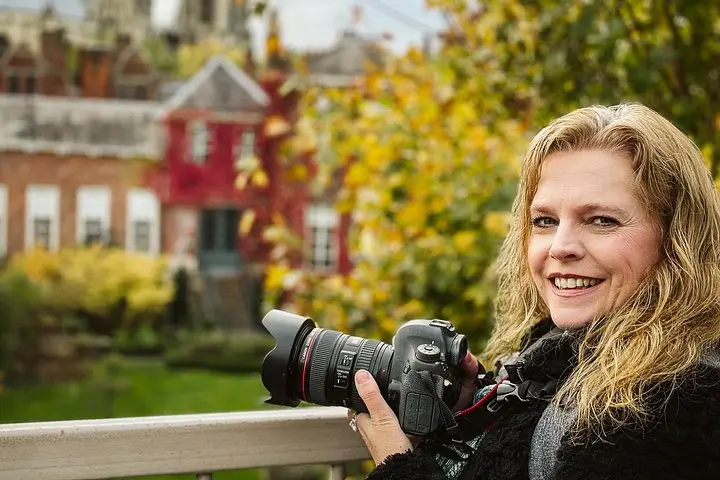
Walk with a photographer who knows where York’s light lies: from the Minster’s stonework to the market stalls of The Shambles, this three-hour tour pairs technique with local history. Expect hands-on tips, tea and time to review your best frames.
Walk with a photographer who knows where York’s light lies: from the Minster’s stonework to the market stalls of The Shambles, this three-hour tour pairs technique with local history. Expect hands-on tips, tea and time to review your best frames.
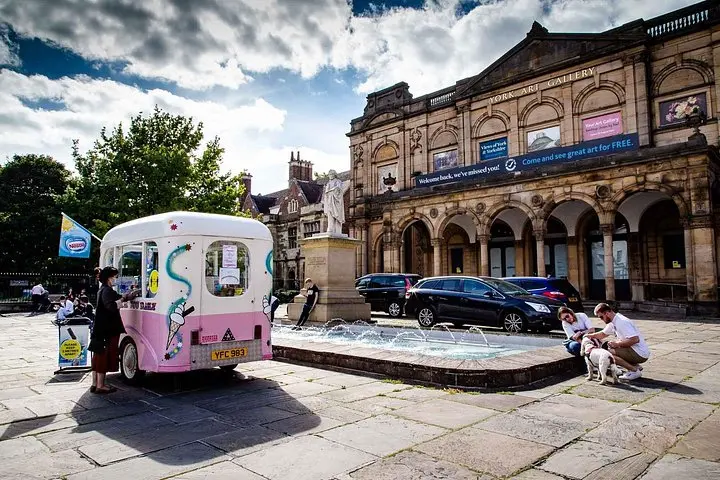
You step out onto Exhibition Square with camera in hand and the Minster already wearing its best light. The guide waits by the stone balustrade outside York Art Gallery, a quick hello and then the city becomes your classroom. For the next three hours you move through layers of York’s past—Roman masonry, medieval timber-framed streets, and the green hush of the Museum Gardens—each stop keyed to composition, exposure and finding decisive angles.
Verified experiences and guided adventures in the surrounding area.
Operated by York Photo Walks · York, North Yorkshire
You step out onto Exhibition Square with camera in hand and the Minster already wearing its best light. The guide waits by the stone balustrade outside York Art Gallery, a quick hello and then the city becomes your classroom. For the next three hours you move through layers of York’s past—Roman masonry, medieval timber-framed streets, and the green hush of the Museum Gardens—each stop keyed to composition, exposure and finding decisive angles.
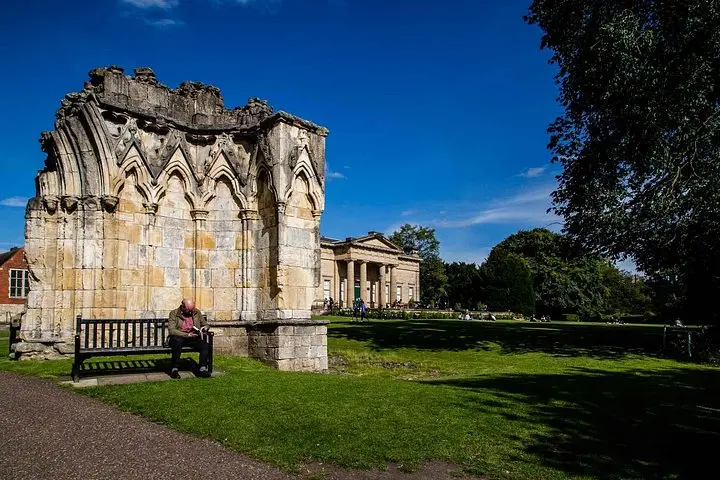
This is not a technical boot camp; it’s an observational walk that pairs a practical eye with the city’s history. York grew where the River Ouse widened from glacial melt and human ambition: Roman walls still mark the original stronghold, the Minster’s limestone piers record medieval craft, and The Shambles preserves narrow overhangs that throw dramatic light in late afternoon. The Museum Gardens sit above the Ouse floodplain where gardeners and archeologists have tended the ruins of St. Mary’s Abbey since the 19th century.
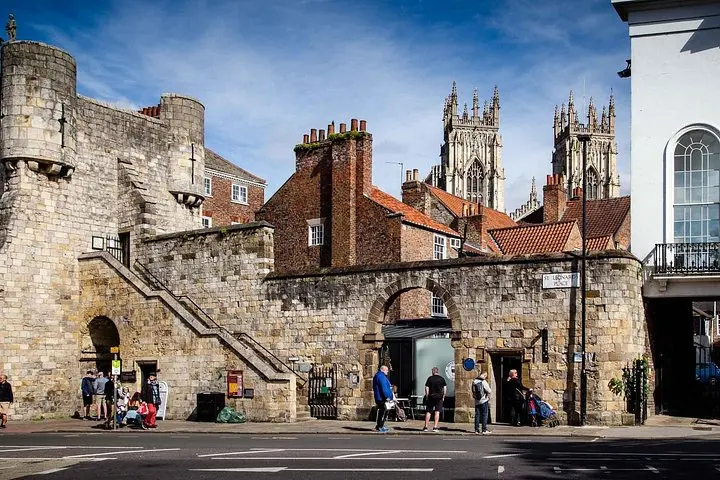
Your guide will demonstrate framing against the Minster’s west front, then lead you along the city walls and into Monkgate Bar for high-contrast urban shots. The Shambles and Fossgate provide textural close-ups—timber beams, shop signs, and market stalls—while the Merchant Adventurers’ Hall offers quiet architectural studies. The route finishes at Museum Gardens and along Dame Judy Dench Walk, where the river tempts reflections and long exposures.
Practical detail: expect roughly 3 km of walking on mostly paved and cobbled surfaces with minimal elevation gain (under 30 m). The pace is deliberate: 15–30 minute stops at key viewpoints, a break for tea and photo review, and on-the-spot feedback. Good light matters—golden hour accentuates the medieval grain, while overcast skies flatten contrast for market and portrait work.
Bring a lens kit that covers wide-angle to short telephoto (24–70mm or equivalent), spare batteries and an empty SD card. A small, portable tripod or gorillapod will let you try long exposures on the river; a neutral-density filter helps with bright daylight shots. If you’re shooting on a phone, download a manual-control app beforehand and carry a battery pack.
The walk is suitable for beginners and more practiced shooters who want to sharpen composition and learn to see in new light. Weather can change fast—layers and waterproofs are sensible—and the guide’s local knowledge means you’ll use time efficiently. In three hours York’s streets will teach you to read shadow, scale, and rhythm; you’ll leave with sharper technique and a fresh set of frames that tell the city’s layered story.
Meet outside York Art Gallery on Exhibition Square; the guide will wait by the stone balustrade near the gallery entrance.
Yes—the walk is designed for all abilities and includes basic composition and camera technique tips.
Absolutely—smartphones are welcome; install a manual-control app beforehand for more control over exposure and focus.
Tours may be canceled if weather is severe; light rain usually proceeds—bring waterproof layers and protect your gear.
There’s a scheduled stop for tea/coffee during the tour and public restrooms near Museum Gardens.
Parts of the route (Museum Gardens and some pavements) are accessible, but cobbles and narrow snickelways can be challenging—contact the operator to discuss needs.
York Photo Walks operates guided outdoor trips and adventures with an emphasis on safety, stewardship, and memorable experiences.
You step out onto Exhibition Square with camera in hand and the Minster already wearing its best light. The guide waits by the stone balustrade outside York Art Gallery, a quick hello and then the city becomes your classroom. For the next three hours you move through layers of York’s past—Roman masonry, medieval timber-framed streets, and the green hush of the Museum Gardens—each stop keyed to composition, exposure and finding decisive angles.
You step out onto Exhibition Square with camera in hand and the Minster already wearing its best light. The guide waits by the stone balustrade outside York Art Gallery, a quick hello and then the city becomes your classroom. For the next three hours you move through layers of York’s past—Roman masonry, medieval timber-framed streets, and the green hush of the Museum Gardens—each stop keyed to composition, exposure and finding decisive angles.
This is not a technical boot camp; it’s an observational walk that pairs a practical eye with the city’s history. York grew where the River Ouse widened from glacial melt and human ambition: Roman walls still mark the original stronghold, the Minster’s limestone piers record medieval craft, and The Shambles preserves narrow overhangs that throw dramatic light in late afternoon. The Museum Gardens sit above the Ouse floodplain where gardeners and archeologists have tended the ruins of St. Mary’s Abbey since the 19th century.
Your guide will demonstrate framing against the Minster’s west front, then lead you along the city walls and into Monkgate Bar for high-contrast urban shots. The Shambles and Fossgate provide textural close-ups—timber beams, shop signs, and market stalls—while the Merchant Adventurers’ Hall offers quiet architectural studies. The route finishes at Museum Gardens and along Dame Judy Dench Walk, where the river tempts reflections and long exposures.
Practical detail: expect roughly 3 km of walking on mostly paved and cobbled surfaces with minimal elevation gain (under 30 m). The pace is deliberate: 15–30 minute stops at key viewpoints, a break for tea and photo review, and on-the-spot feedback. Good light matters—golden hour accentuates the medieval grain, while overcast skies flatten contrast for market and portrait work.
Bring a lens kit that covers wide-angle to short telephoto (24–70mm or equivalent), spare batteries and an empty SD card. A small, portable tripod or gorillapod will let you try long exposures on the river; a neutral-density filter helps with bright daylight shots. If you’re shooting on a phone, download a manual-control app beforehand and carry a battery pack.
The walk is suitable for beginners and more practiced shooters who want to sharpen composition and learn to see in new light. Weather can change fast—layers and waterproofs are sensible—and the guide’s local knowledge means you’ll use time efficiently. In three hours York’s streets will teach you to read shadow, scale, and rhythm; you’ll leave with sharper technique and a fresh set of frames that tell the city’s layered story.